Salt has typically been considered a basic component whose main purpose was flavor enhancement and preservation of foods. The evolving consumer tastes and preferences, combined with the boom in gourmet food industry, are changing salt into a premium food ingredient. Specialty boutique salts are getting recognized for their unique qualities like textures, colors, mineral content, origin and method of production. Various types of salt such as Himalayan pink salt, fleur de sel, smoked salt, black lava salt, and sea salt are receiving attention in high-quality food processing sectors.
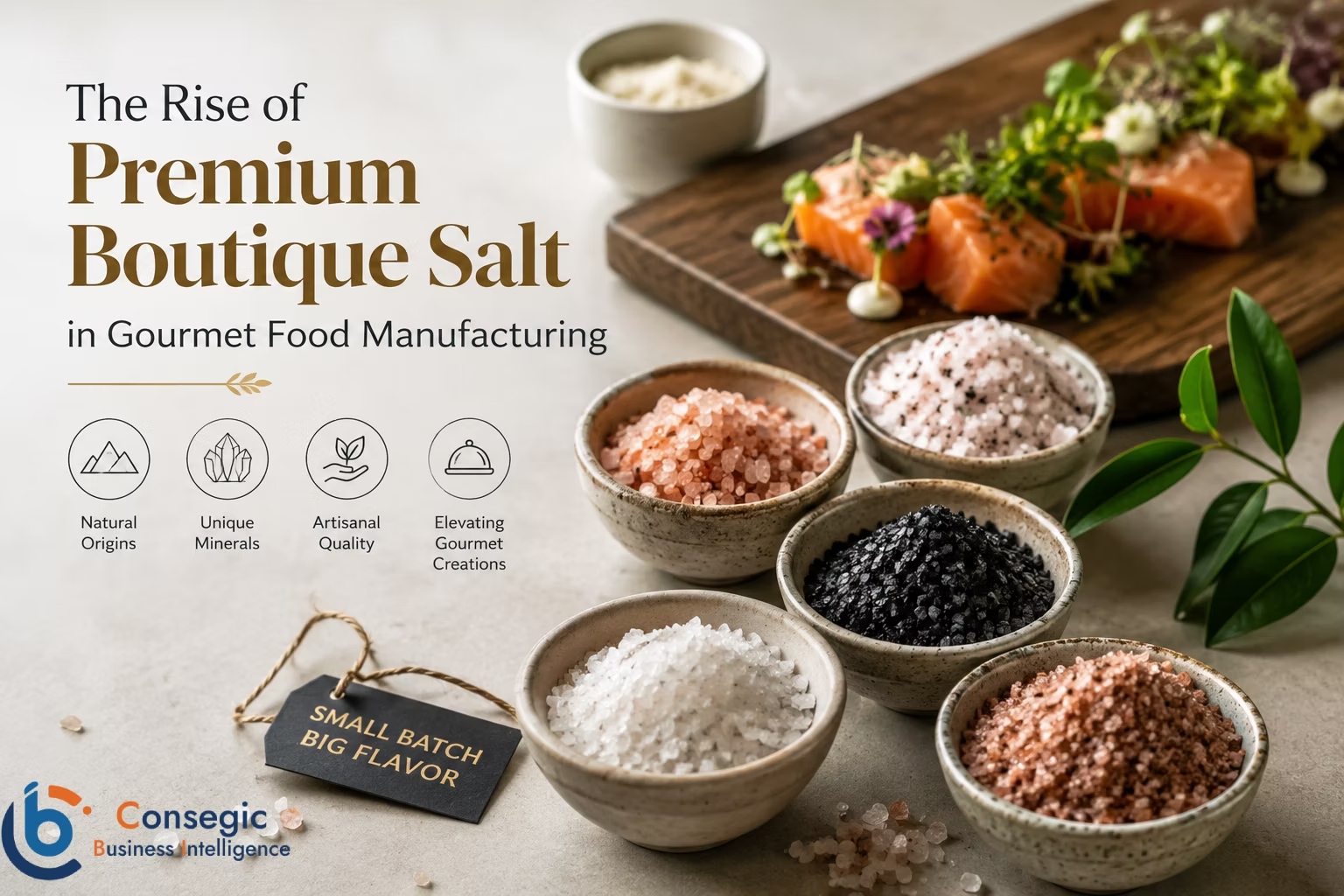
Increased consumer interest in natural, minimally processed, and artisanal foods is creating a need for specialty salts. Food manufacturing companies are adopting premium salts not just for seasoning purposes but also as a means to create a differentiation among their products and a distinctive sensorial experience. Premium salts are known to add a unique taste profile and a look and position of the products that regular table salt cannot bring about. As consumers gain increasing interest in food origins and food craft, boutique salt has come to be recognized as an important ingredient in premium food manufacturing industry.
From Commodity to Culinary Luxury: Understanding Boutique Salt
The evolution of salt from being merely an ingredient to a luxury food item is indicative of other developments within the high-end food industry. The uniqueness of these gourmet salts lies in their source, harvest process, manufacturing process, texture, coloring, and mineral composition. As compared to refined table salt, many gourmet salts are not processed much in order to retain their unique quality and look.
Salts produced from sea water, hand-harvested fleur de sel, smoked salts, black lava salt, and mineral rich rock salt are some of those items which have been able to create a unique identity for themselves in the gourmet market. In such situations, it becomes easier for the manufacturer to brand them as premium food items and not as regular seasonings.
For gourmet food producers, the production of boutique salt opens up avenues to produce unique food items in terms of both taste and packaging. They can be used in gourmet chocolates, snack foods, sauces, prepared foods, bakery products, cheeses, and meat products.
How Gourmet Food Manufacturers Are Incorporating Specialty Salts?
Food makers that produce gourmet foods are now making use of gourmet salts in the creation of products whose key differentiating aspects include taste as well as appearance. Gourmet salts can be used as a topping or coating as well as being incorporated in more complex flavor formulas. The special features of such gourmet salts enable the producers to make products that cater to the tastes of customers who want an improved culinary experience.
Gourmet snacks may benefit from the addition of flavored sea salts blended with herbs, spices, cheese and other natural ingredients to create unique flavors. Producers in the bakery as well as confectionary industries are increasingly including salts in their products such as caramel, artisan chocolates, and gourmet baked products. Producers of meat and seafood products are incorporating smoked and mineral rich salts into their marinades and rubs.
In addition to flavouring, these boutique salts are also able to offer better aesthetic benefits through coloured salts and large crystals. Other factors which are making boutique salts even more functional are the use of distinct packaging, provenance stories, and limited-edition formulations.
Key Trends Driving the Premium Boutique Salt Market
A few industry and consumer trends are driving the popularity of premium boutique salt. Firstly, there is an increase in the demand for natural and minimally processed food ingredients among consumers. The interest in labeling and origin of food is prompting food producers to search for new and alternative food ingredients to conventional refined salt.
Meanwhile, there is an increased premiumization of food among consumers. Consumers are now ready to pay premium prices for unique tastes, special ingredients, and novel experiences. It helps because boutique salts can be produced in unique flavors and have unique origins, colors, textures, etc.
Additionally, the gourmet cooking movement is increasing the consumption of boutique salts. Visually appealing salts will help gourmet and specialty food brands market their products to consumers. In addition, there is also the issue of sustainability and traceability that is prompting food manufacturers to reconsider their ingredients and production process.
Finally, innovations in food ingredients are providing additional options for the specialty salt segment. Producers are producing new types of salts such as infused, smoked, flavored and blends which will increase the usage of boutique salts in the premium snacks, bakery, confectionery, sauces and prepared foods.
The Future of Boutique Salt in Gourmet Food Manufacturing
The future outlook of premium boutique salt in gourmet food manufacturing is likely to be characterized by constant product innovation, premiumization, and evolving consumer expectations. With consumers getting more concerned about unique culinary experiences, manufacturers are likely to try out different salt flavors, blends, applications, and textures. Specialty salts represent an easy opportunity for manufacturers to differentiate themselves in the existing food products.
Innovation efforts are likely to focus more on the development of flavored and functional blends that include different natural elements such as herbs, spices, and botanicals. Other areas manufacturers may highlight as consumers become more concerned about the origin of their food include traceability and responsible sourcing.
Innovation in packaging will continue to be significant, especially for retail gourmet foods that rely on looks and storytelling in their purchase decisions. Digital marketing and social media can be even more useful in terms of raising awareness regarding the background, processing methods, and uses of the boutique salts.
However, there will also have to be consideration for the premium branding in relation to costs and supply. The quality control, food safety, reliable sources, and proper formulation will continue to be vital factors. In summary, the boutique salt has been shifting from being a mere seasoning to an ingredient that creates value-added gourmet foods.
Conclusion
The trend toward premium boutique salt can be attributed to the evolution of the gourmet food industry, where authenticity, uniqueness, natural flavors, and quality are among the consumer considerations. Specialty salts are evolving from simply being seasonings to become key elements used for product differentiation, sensory enhancement, and premium branding. Different textures, shades, origins, and manufacturing techniques of specialty salts offer food manufacturers many possibilities in terms of innovation for snacks, bakery goods, candies, sauces, meats, seafoods, and ready-to-eat products. Increasing consumer demand for traceability, artisanal manufacturing, sustainability, and healthy ingredients should drive further growth of the market. In future, innovation in terms of flavor blends, responsible sourcing, packaging and applications of boutique salts will increase their significance.