The Growing Shift Toward Premium Wet Pet Food
Currently, the segment of wet pet foods is experiencing drastic changes since customers become more interested in choosing the most nutritious and high-quality food for their beloved pets. Premiumization is defined as the tendency to prefer higher value-added products that are characterized by better quality ingredients, specific nutrition, better taste, and transparency as opposed to traditional pet food. The wet type of food is very suitable for this kind of development because of its high percentage of moisture and other characteristics. In addition, the increase in the number of pets and disposable income, as well as the process of humanizing of the pets, make customers look at their animal friends as family members and spend much money on their health and comfortable living conditions. Furthermore, the rise of awareness about pet nutrition leads to the emergence of special products that solve various issues like digestibility, weight control, immunity, skin care, and senior health problems. Thus, manufacturers try to create the newest recipes of the products with premium proteins, natural ingredients, functional additives, and special packages.
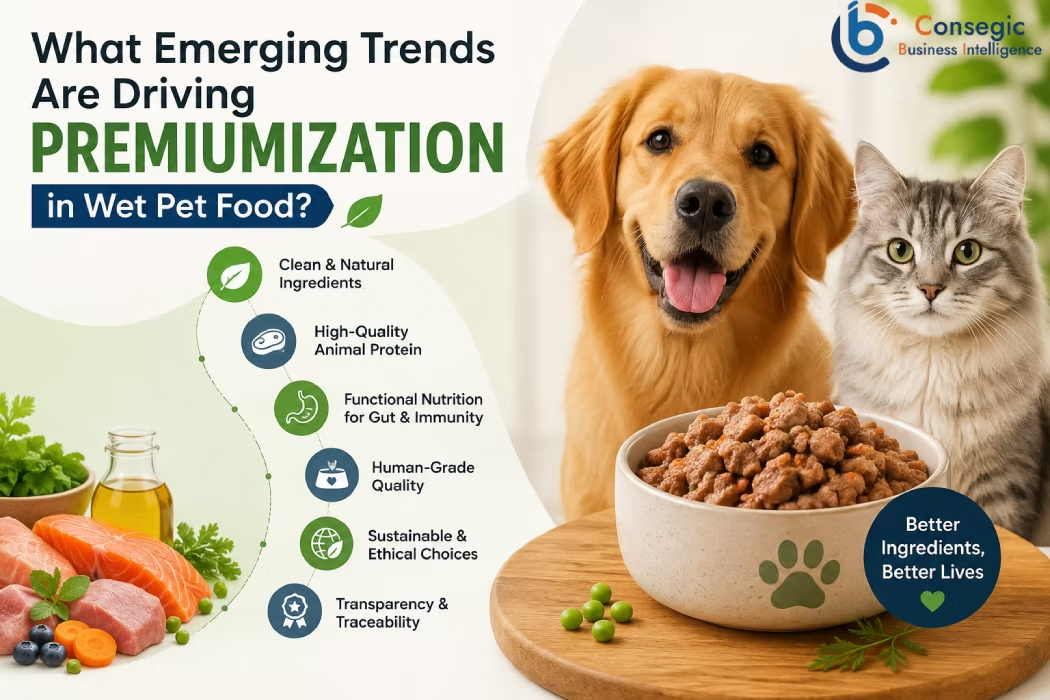
Humanization of Pets and Demand for High-Quality Ingredients
The growing trend toward pet humanization is another very powerful driver of premiumization within wet pet food products. With the increasing tendency of considering animals a part of a family, pet owners become more concerned about the quality of ingredients, the level of nutrition, and the overall eating experience. The tendency of consumers to look for pet food products that are similar to those purchased for themselves generates a demand for high-quality and recognizable ingredients such as various types of proteins, fruits, and vegetables. Premium wet food products tend to contain natural meats, poultry, fish, or seafood as main ingredients rather than inexpensive fillers. Limited ingredient formulas and recipes are also becoming popular among pet owners because of simpler formulations and better options for pets suffering from food sensitivity. Moreover, such attributes as grain-free formula, high protein content, natural, and organic ingredients also help to create an image of premium product, although it is necessary to take into account its nutritional suitability. Another important aspect is the texture and taste of products as pâtés, chunks in gravy, shredded meat, and broth formulas become increasingly popular.
Functional Nutrition and Health-Focused Wet Food Formulations
Another significant trend favoring premiumization is the growing demand for functional wet food created to offer not only nutritional but some additional advantages. Consumers become more aware of the relationship between diet and pet health in the long term, stimulating companies to produce products that are capable of offering a certain benefit in terms of health issues. For example, products that are enriched with the components responsible for improving pet digestion, immune system, joint health, skin and coat quality, as well as helping in controlling weight problems are becoming popular nowadays. Certain additives can become valuable ingredients in the formulation of wet food: probiotics, prebiotics, omega-3 fatty acids, vitamins, minerals, antioxidants and proteins. Senior dogs require special food to be able to move easily and live longer without losing strength. At the same time, there is a possibility to make food for puppies, kittens, active animals and those who have certain problems with food consumption. Premiumization can be justified by creating more functional wet food formulations. Consumers start viewing preventive care of their pets as an investment into health, which makes health-oriented formulas more valuable.
Clean Labels, Natural Ingredients, and Sustainable Packaging
Clean-label trends are now becoming more significant in the premium wet pet food market. Consumers desire more openness in relation to what is in the food that they give their pets, making them more likely to go for products with clear ingredients, information on the nutritional benefits of the food and clear labeling. The use of natural ingredients, responsibly sourced proteins and absence of unnecessary artificial colors, flavors and preservatives can help in creating a premium product. Sourcing of the ingredients has also become a significant trend, especially among those consumers who are environmentally conscious. Information about responsible fishing, good treatment of animals and agriculture that is sustainable along with traceability is now becoming part of the brands that aim to create consumer trust. Sustainable sourcing not only involves the ingredients but also extends to the packaging, which becomes a critical issue especially in the case of wet pet food, where cans, pouches and trays among other packaging materials will result in the generation of packaging waste. Lightweight packaging and use of recyclable materials are among the trends being explored by manufacturers to solve this problem. Single-serve packaging may be helpful both in managing portions and preventing food wastage.
Personalization, Innovative Formats, and the Future of Premium Wet Pet Food
Personalization and product innovations are believed to become a cornerstone of premium wet pet food in the future. More and more owners are looking for diets that would cater to the specific needs of their pets depending on their age, breed, size, activity level, lifestyle, and dietary requirements. This has been stimulating brands to come up with special diets and collections of products rather than relying on universal formulas. Moreover, subscription service and digital platforms can further help with personalization as they allow customers to get customized food offerings on a regular basis. On top of this, brands are exploring various new formats, such as broths, toppers, gravies, mixed textures, and even complete wet meals. Premium foods could also offer both convenience and nutritional benefits by means of easy-to-open containers and portioned servings. Online sales channels are assisting in this process, providing niche and premium brands with access to their target audience and enabling the direct communication regarding the ingredients, source of materials, and other characteristics of their products. In the future, it seems that successful premium wet pet foods should incorporate such features as nutrition, convenience, transparency, personalization, and sensory aspects.
Conclusion
The trend towards premiumization continues in the wet pet food category because of the increasing importance of quality, healthiness, transparency, and convenience. In addition, as pets become more humanized, pet owners seek to feed their pets with products made of high-quality proteins and natural ingredients and containing specialized nutritional benefits. On the other hand, the introduction of functional formulas that target digestion, immune system, joint health, skin and coat condition, and healthy aging makes premiumization even more valuable for consumers. Clean label requirements and sustainable sources and packaging make an impact on consumer purchasing decision, especially on eco-friendly pet owners. Future trends include personalization, innovative formats, subscriptions, and online retail channels. Premiumization will be driven by those manufacturers that provide consumers with the combination of nutrition, transparency, sustainability, convenience, and innovations.