Jump to Content
Zinc Sulfate Market - Size, Share, Industry Trends, and Forecasts (2026 - 2034)
Zinc Sulfate Market Size:
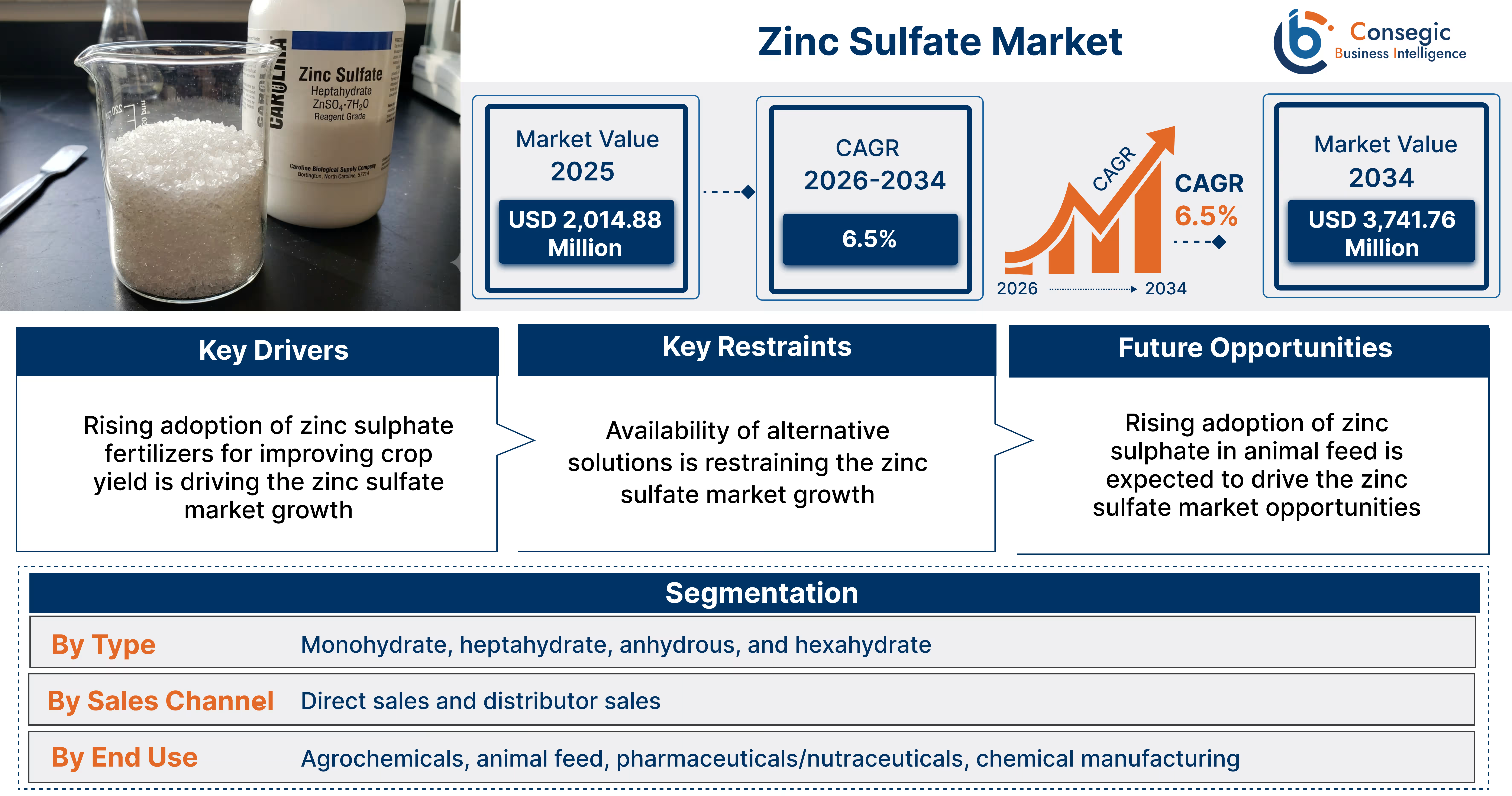
Zinc Sulfate Market size is estimated to reach over USD 3,741.76 Million by 2034 from a value of USD 2,014.88 Million in 2025 and is projected to grow by USD 2,127.83 Million in 2026, growing at a CAGR of 6.5% from 2026 to 2034.
Zinc Sulfate Market - Key Takeaways
- Agriculture dominates market share, driven by zinc-deficient soils and the need for higher crop yield
- Monohydrate leads segment, while heptahydrate is fastest-growing
- Key growth drivers: micronutrient fertilizers, animal feed demand, pharma & water treatment use
- Asia-Pacific is largest & fastest-growing region (China & India led)
- Opportunity: rising use in animal feed for livestock productivity & immunity
- Challenge: availability of substitutes (zinc oxide, chelated zinc)
Zinc Sulfate Market Scope & Overview:
Zinc sulfate (zinc sulphate) is an inorganic compound, often appearing as a white or colorless, crystalline solid that is highly soluble in water and acts as a vital source of zinc for plants, animals, and humans. Moreover, zinc sulfate is available in multiple forms such as heptahydrate, monohydrate, anhydrous, and hexahydrate. It is mainly used for applications involving treating zinc deficiencies, fertilizer, and industrial applications. The market is primarily driven by the growing need for zinc-based micronutrient fertilizers in agriculture, increasing use in animal feed supplements, rising adoption in pharmaceutical and nutraceuticals, and expansion of industrial applications such as textile manufacturing and water treatment, among others.
Zinc Sulfate Market Dynamics - (DRO):
Key Drivers:
Rising adoption of zinc sulphate fertilizers for improving crop yield is driving the zinc sulfate market growth
The rising adoption of zinc sulphate fertilizers, particularly micronutrient fertilizers, is among the primary factors driving the market. Since a significant portion of global arable land suffers from zinc deficiency, impacting crop quality and yield, farmers are increasingly utilizing zinc sulphate for boosting crop yield and productivity. Zinc sulphate is an essential inorganic compound used widely in agriculture as a micronutrient fertilizer and soil amendment for correcting zinc deficiencies. Moreover, the high solubility and cost-effectiveness of zinc sulphate-based agrochemicals for both soil and foliar applications make it an ideal option for correcting deficiencies, further driving its adoption in the agricultural sector.
Also, factors including significant advancements in agricultural sector, rapid pace of urbanization, growing need for food crops, and increasing need for efficient agrochemicals such as fertilizers to improve overall plant health are further driving the market.
- For instance, IFFCO (Indian Farmers Fertilizer Cooperative Limited) offers Zinc Sulphate Monohydrate in its product offerings, which is a high-quality micronutrient fertilizer designed for preventing and correcting zinc deficiency in crops while improving plant development as well as production.
Hence, the rising adoption of zinc sulphate fertilizers for improving crop yield is driving the zinc sulfate market size.
Key Restraints :
Availability of alternative solutions is restraining the zinc sulfate market growth
Zinc sulphate has various substitutes, such as zinc oxide, chelated zinc compounds, and others. Comparatively, the substitutes have similar performance, properties, and applications with respect to zinc sulphates, which is a key factor restricting the market. Moreover, zinc sources and compounds, such as zinc oxide, chelated zinc, and zinc oxysulfate, offer superior efficiency or lower costs in specific scenarios. Chelated zinc also offers higher uptake in high-pH soils, while zinc oxide is preferred for certain industrial applications.
- For instance, in 2023, Rallis India Limited (a Tata Enterprise) launched NAYAZINC, a patented, highly efficient zinc fertilizer designed for addressing the widespread zinc deficiency in over 45% of Indian soils. NAYAZINC utilizes a unique polyphosphate chain technology that prevents the zinc from reacting prematurely with other soil nutrients, which enables a slow-release effect and a substantial increase in zinc utilization efficiency. This high concentration and bioavailability allow farmers to achieve optimum nutrition, thereby offering farmers a highly efficient alternative to zinc sulphate.
Thus, the availability of alternative solutions for zinc sulphates is hindering the zinc sulfate market expansion.
Future Opportunities :
Rising adoption of zinc sulphate in animal feed is expected to drive the zinc sulfate market opportunities
Rising adoption of zinc sulphate in animal feed is expected to offer lucrative prospects for market growth. The global increase in meat and dairy consumption, driven by population growth and changing dietary habits, is driving the animal feed sector, which in turn, contributes to a higher need for efficient and nutritious animal feed.
As livestock production intensifies to meet rising global meat and dairy consumption, farmers are increasingly incorporating zinc sulphate into diets for improving growth, immunity, as well as reproductive health in pigs, poultry, and cattle. Moreover, zinc sulfate monohydrate is particularly used in animal feed for its high solubility and bioavailability, offering essential trace minerals, which help in boosting feed efficiency and reducing mortality rates in poultry. The above factors are further increasing the adoption of zinc sulphate in animal feed.
- For instance, according to the International Feed Industry Federation (IFIF), the global compound feed production is estimated reach over 1 billion tons annually. Similarly, according to the IFIF, the global commercial feed manufacturing typically generates an estimated annual revenue of over USD 400 billion, driven by an increasing demand for animal protein worldwide, including dairy, livestock, and fish.
Hence, according to the analysis, the above factors are projected to boost the zinc sulfate market opportunities during the forecast period.
Zinc Sulfate Market Segmental Analysis :
By Type:
Based on type, the market is segmented into monohydrate, heptahydrate, anhydrous, and hexahydrate.
Trends in the type:
- Increasing trend in adoption of zinc sulphate monohydrate due to its high solubility, stability, and high zinc concentration and its growing adoption in agriculture, pharmaceuticals, and industrial applications.
- The heptahydrate segment is mainly driven by rising agricultural demand for micronutrient fertilizers to treat soil deficiency, increasing adoption in animal feed, and growing pharmaceutical applications, among others.
The monohydrate segment accounted for a significant revenue share in the zinc sulfate market share in 2025.
- Zinc sulphate monohydrate is a highly soluble, white crystalline chemical compound utilized extensively as a reliable source of zinc in agriculture, animal feed, and pharmaceuticals.
- It provides high bioavailability of essential zinc ions which is essential for correcting deficiencies in crops and livestock.
- Moreover, zinc sulphate monohydrate offers high stability and high zinc content, and it is also applied industrially for electroplating, water treatment, and as a raw material in manufacturing.
- Furthermore, the rising demand for zinc sulphate monohydrate in agriculture, pharmaceuticals, and industrial applications, due to itshigh solubility, stability, and high zinc concentration, is among the key factors driving the segment.
- According to the zinc sulfate market analysis, the above factors are increasing the adoption of zinc sulphate monohydrate, in turn driving the zinc sulfate market size.
The heptahydrate segment is anticipated to register the fastest CAGR during the forecast period.
- Zinc sulfate heptahydrate is a colorless, water-soluble, crystalline inorganic compound, commonly known as white vitriol or goslarite.
- It is a hydrated form of zinc sulfate containing seven water molecules, which is often used in zinc fertilizer, animal feed supplement, electroplating, and dietary supplement, among others.
- Also, the market is mainly driven by rising agricultural demand for micronutrient fertilizers to treat soil deficiency, increasing use in animal feed, and growing pharmaceutical applications, among others.
- According to the analysis, the aforementioned factors are driving the zinc sulfate market trends.
By Sales Channel:
Based on sales channel, the market is segmented into direct sales and distributor sales.
Trends in the sales channel:
- Factors including the availability of excellent support and warranty, higher product quality, and reliable shipping and return policies are key trends driving the direct sales channel segment.
- Factors such as higher accessibility to a variety of products, higher flexibility, and expanded reach are primary determinants for driving the distributor sales channel segment.
The direct sales segment accounted for a significant revenue in the zinc sulfate market share in 2025.
- In direct sales channel, zinc sulphates are sold directly to customers through numerous physical outlets, including company outlets, among others.
- Moreover, the direct sales channel also consists of an online mode, wherein the manufacturers sell zinc sulphate through its own company websites.
- Also, purchasing zinc sulphates from direct sales channel offers numerous benefits, including faster response time, higher product quality, higher return on investments, competitive pricing, and others, which are key aspects for increasing the purchase of zinc sulphates from direct sales channel.
- Therefore, the increasing availability of zinc sulphates in direct sales channels is driving the market.
The distributor sales segment is anticipated to register a substantial CAGR during the forecast period.
- The distributor sales channel involves an indirect distribution of zinc sulphates, wherein the zinc sulphate is purchased from several regional distributors operating in multiple regions worldwide.
- Moreover, distributor sales channels provide several benefits, including increased market reach, reduced capital expenditure, increased cost efficiency, and others. The above benefits of distributor sales channels are further increasing its utilization for sales of zinc sulphates.
- For instance, Brenntag, WEGO Chemical Group, Redox Ltd., Azelis, and others are few of the distributors of zinc sulphates.
- Hence, the increasing availability of zinc sulphates in distributor sales channels is anticipated to boost the market during the forecast period.
By End Use:
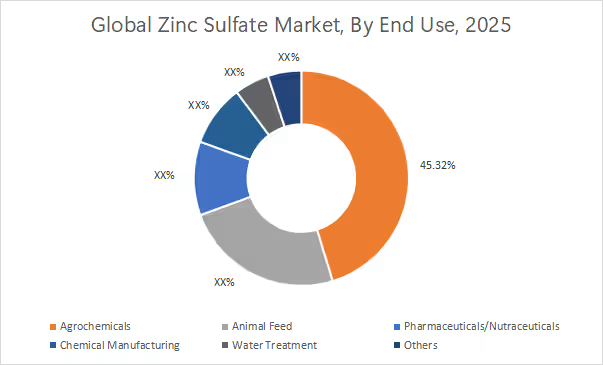
Based on the end use, the market is segmented into agrochemicals, animal feed, pharmaceuticals/nutraceuticals, chemical manufacturing, water treatment, and others.
Trends in the end use:
- The agrochemicals segment is mainly driven by key trends including significant advancements in agricultural sector, rapid urbanization, growing need for food crops, and increasing need for efficient agrochemicals such as fertilizers to improve overall plant health.
- The pharmaceuticals/nutraceuticals segment is primarily driven by factors including the rising awareness of zinc deficiency, increasing health consciousness, and growing need for fortified foods, among others.
The agrochemicals segment accounted for the largest revenue share of 45.32% in the market in 2025.
- Zinc sulphate is a widely used, water-soluble agrochemical primarily acting as a micronutrient fertilizer for correcting zinc deficiency in crops.
- It helps in improving plant growth, photosynthesis, and yield by aiding in enzyme activation, protein synthesis, along with root development.
- It is available in monohydrate or heptahydrate forms and can be applied through soil, foliage, or seed treatment.
- Moreover, factors including significant advancements in agricultural sector, rapid pace of urbanization, growing need for food crops, along with increasing need for efficient agrochemicals such as fertilizers to improve overall plant health are further driving the market.
- Consequently, the aforementioned factors arepropelling the market.
The pharmaceuticals/nutraceuticals segment is anticipated to register a substantial CAGR during the forecast period.
- Zinc sulphate is a widely used inorganic compound in pharmaceuticals and nutraceuticals, primarily serving as a high-bioavailability source of zinc for treating deficiencies, boosting immunity, and assisting in wound healing.
- It is commonly used in oral rehydration solutions (ORS) for diarrhea and topically for acne/skin care.
- Moreover, zinc sulphate is also used in dietary supplements for treating or preventing deficiencies, while offering crucial support for immune function, protein synthesis, and cell division.
- The pharmaceuticals/nutraceuticals segment is primarily driven by factors such as the increasing awareness of zinc deficiency, rising health consciousness, and growing need for fortified foods, among others.
- In addition, the rising global awareness among consumers regarding the importance of preventive healthcare and maintaining overall well-being is contributing to an increase in demand for dietary supplements, which are key factors anticipated to drive the market during the forecast period.
Regional Analysis:
The regions covered are North America, Europe, Asia Pacific, Middle East and Africa, and Latin America.
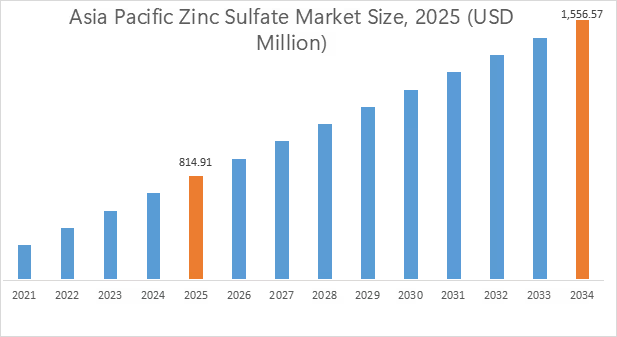
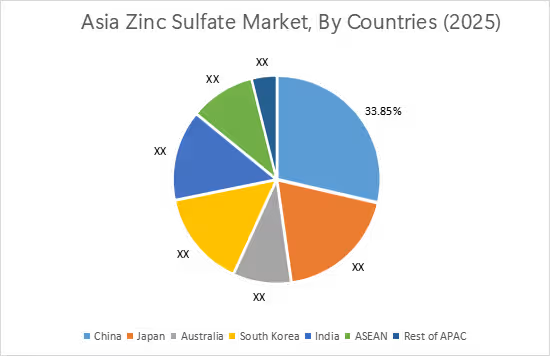
Asia Pacific region was valued at USD 814.91 Million in 2025. Moreover, it is projected to grow by USD 863.32 Million in 2026 and reach over USD 1,556.57 Million by 2034. Out of this, China accounted for the maximum revenue share of 33.85%. As per the zinc sulfate market analysis, the adoption of zinc sulphates in the Asia-Pacific region is primarily driven by factors including the rapid industrialization, expanding arable land, increased agricultural subsidies, rising need for high-yield crop production, and growing adoption of agricultural micronutrient fertilizers to address widespread soil zinc deficiency, among others. Additionally, the rising adoption of zinc sulphate in water treatment and pharmaceutical sectors is further accelerating the zinc sulfate market expansion.
- For instance, according to the Indian Ministry of Health, the local pharmaceutical sector in India consist of approximately 3,000 drug companies and 10,500 pharmaceutical manufacturing units. The above factors are increasing the need for zinc sulphates for use in oral, topical, and intravenous forms to treat conditions such as diarrhea in children, acne, wound healing, and nutritional deficiencies, in turn driving the market in the Asia-Pacific region.
North America is estimated to reach over USD 924.96 Million by 2034 from a value of USD 499.15 Million in 2025 and is projected to grow by USD 527.01 Million in 2026. In North America, the growth of the zinc sulfate industry is driven by the growing agriculture, animal feed, pharmaceutical, and other industries. Moreover, the region’s well-established pharmaceutical sector, rising nutraceutical production, and increasing production of animal feed to improve animal health and productivity are further contributing to the zinc sulfate market demand.
- For instance, according to the American Feed Industry Association, the U.S. animal food sector operates roughly 5,650 facilities, supporting an expansive agricultural supply chain. These mills produce around 284 million tons of livestock, poultry, aquaculture, and pet food annually. Feed-grade zinc sulphate is a mineral supplement added to animal diets for preventing deficiencies, boosting immune function, improving skin health, and enhancing feed efficiency. Hence, the above factors are expected to propel the zinc sulfate market trends in North America during the forecast period.
Meanwhile, according to the regional analysis, factors including the rising use of zinc sulphate as a micronutrient in agriculture, dietary supplements in pharmaceuticals, and as a raw material in chemical synthesis, water treatment, and textile production are driving the zinc sulfate market demand in Europe. Furthermore, according to the market analysis, the market in Latin America, Middle East, and African regions is expected to grow at a considerable rate due to factors such as rising fertilizer adoption to handle zinc-deficient soils, increasing pharmaceutical usage for pediatric health and supplements, along with expanding water treatment and synthetic fiber manufacturing, among others.
Top Key Players & Market Share Insights:
The global zinc sulfate market is highly competitive with major players providing products to the national and international markets. Key players are adopting several strategies in research and development (R&D), product innovation, and end-user launches to hold a strong position in the zinc sulfate market. Key players in the zinc sulfate industry include-
- Bohigh Zinc Product Co., Ltd.(China)
- Old Bridge Minerals(United States)
- Zinc Nacional (Mexico)
- Hindustan Urvarak & Rasayan Limited (India)
- Changsha Haolin Chemicals Co., Ltd. (China)
- Grillo-Werke AG (Germany)
- Rech Chemical Co., Ltd. (China)
- Tianjin Xinxin Chemical Factory (China)
- Balaji Chemicals (India)
- Oasis Fine Chem (India)
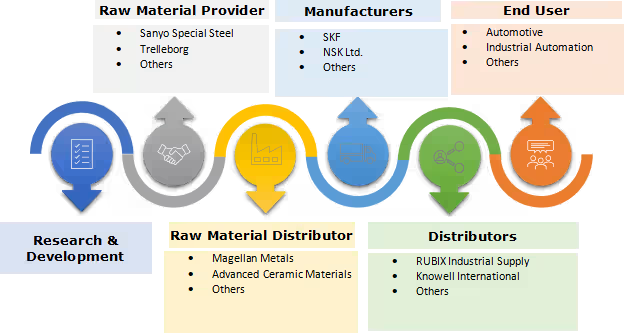
Zinc Sulfate Market Ecosystem:
Zinc Sulfate Market Report Insights:
| Report Attributes | Report Details |
| Study Timeline | 2021-2034 |
| Market Size in 2034 | USD 3,741.76 Million |
| CAGR (2026-2034) | 6.5% |
| By Type |
|
| By Sales Channel |
|
| By End Use |
|
| By Region |
|
| Key Players |
|
| Report Coverage |
|
Key Questions Answered in the Report
How big is the zinc sulfate market? −
The zinc sulfate market was valued at USD 2,014.88 Million in 2025 and is projected to grow to USD 3,741.76 Million by 2034.
Which is the fastest-growing region in the zinc sulfate market? +
Asia-Pacific is the region experiencing the most rapid growth in the zinc sulfate market.
What specific segmentation details are covered in the zinc sulfate report? +
The zinc sulfate report includes specific segmentation details for type, sales channel, end use, and region.
Who are the major players in the zinc sulfate market? +
The key participants in the zinc sulfate market are Bohigh Zinc Product Co., Ltd. (China), Old Bridge Minerals (United States), Zinc Nacional (Mexico), Hindustan Urvarak & Rasayan Limited (India), Changsha Haolin Chemicals Co., Ltd. (China), Grillo-Werke AG (Germany), Rech Chemical Co., Ltd. (China), Tianjin Xinxin Chemical Factory (China), Balaji Chemicals (India), Oasis Fine Chem (India), and others.
What role does zinc sulfate play in water treatment? +
Zinc sulfate is used as a coagulant in water treatment processes to remove impurities and improve water quality, addressing increasing environmental and regulatory requirements.
Overview
Reputation & Certifications


Our Services
- Market Intelligence & Forecasting
- Custom Research Solutions
- Market Entry Strategy
- Competitive Intelligence
- Customer Insights
- Industry Innovation Analysis
- Investment Advisory