The Hybrid Shopper: How AI and Personalization Are Changing Retail Forever
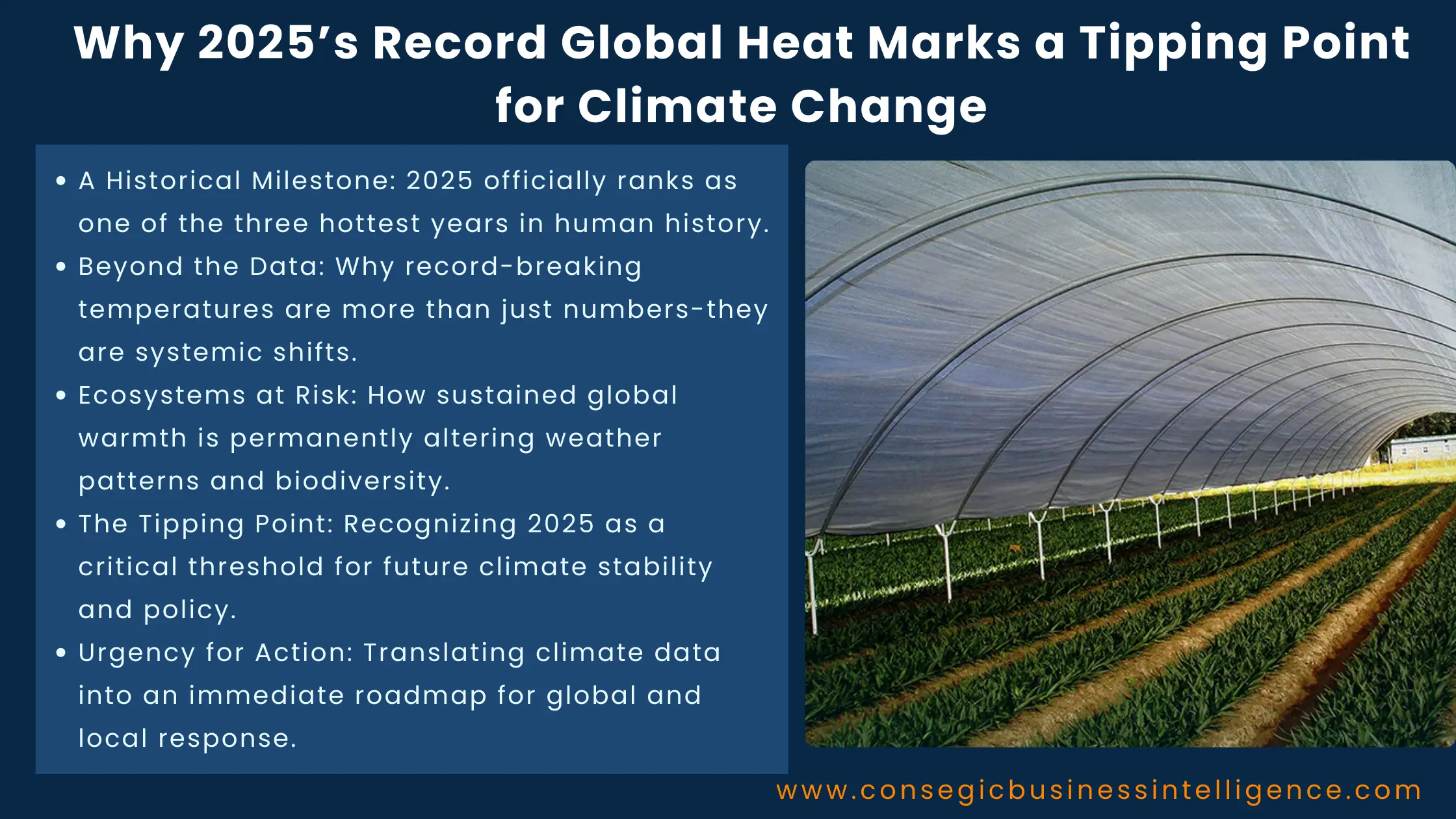
In 2025, the world experienced one of its hottest years on record, continuing a worrying trend of rising global temperatures that highlights the growing impact of climate change. Scientists and climate agencies confirmed that 2025 was among the three warmest years ever recorded, marking a continuation of unprecedented global heat that is reshaping how we understand and respond to climate change. This sustained warmth is not just a number in a report. It represents real changes in weather patterns, ecosystems, and human lives around the world. Understanding why 2025’s record heat matters help clarify the urgency of climate action in the years ahead.
2025: A Record Warm Year in Context
Global temperature records show that 2025 was the third warmest year since direct observations began in 1850. Average surface temperatures were significantly higher than the historical average, with the past decade consistently ranking among the hottest on record. In fact, all of the ten warmest years in history have occurred since 2015, reflecting a long-term warming trend rather than a short-term fluctuation.
The World Meteorological Organization confirmed this pattern, noting that the past twelve years have been unusually warm and that ocean temperatures also reached record highs during 2025. This combination of high land and ocean temperatures indicates that heat is penetrating the planet’s climate system more deeply than ever before.
Human Influence and Greenhouse Gases
Scientists point to human activities as the primary driver of long-term global warming. Burning fossil fuels such as coal, oil, and natural gas releases greenhouse gases like carbon dioxide and methane into the atmosphere. These gases trap heat and cause the planet’s temperature to rise over time. The accumulated heat from past and present emissions has pushed average global temperatures well above pre-industrial levels.
In 2025, global greenhouse gas concentrations continued to rise, and carbon dioxide levels remained near record highs. This ongoing buildup of heat-trapping gases is the reason why even years without strong natural warming events, such as El Niño, are still extremely warm. The warming trend reflects human influence on the climate system more than natural climate variability.
Signs of a Tipping Point
Climate scientists use the term tipping point to describe thresholds at which small changes can lead to irreversible and large-scale shifts in environmental systems. The heat record of 2025 raises concern because it may signal that some climate systems are nearing or crossing those thresholds.
For example, ocean temperatures reached unprecedented levels in 2025, absorbing more heat than in any previous year on record. Oceans store about 90 percent of the excess heat generated by global warming, and this added energy contributes to sea level rise, stronger storms, and marine heatwaves that affect ecosystems around the world.
Another indicator comes from coral reefs, which are extremely sensitive to temperature changes. An ongoing global coral bleaching event, exacerbated by elevated sea temperatures, has affected more than 80 percent of coral reef ecosystems between 2023 and 2025. These ecosystems are vital for marine biodiversity and coastal protection, and their collapse represents a potential ecological tipping point.
Extreme Weather and Human Impacts
Record global heat is not just a scientific statistic. It is already affecting human communities and natural systems. In 2025, many regions around the world experienced intense heatwaves and extreme weather events. For example, parts of Europe recorded prolonged heatwaves and higher than usual temperatures, contributing to heat-related health impacts, wildfires, and strains on infrastructure.
The Indian subcontinent also faced an intense early heatwave in 2025, with temperatures rising well above seasonal norms and causing widespread heat stress and health concerns for millions of people. These conditions not only affect daily life but also increase the risk of heat-related illnesses and place additional pressure on water and energy resources.
Such extreme events demonstrate how global warming translates into more frequent and more severe climate impacts that affect economies, ecosystems, and public health. These impacts are expected to become more pronounced if global temperatures continue to rise.
Implications for Climate Targets
The global temperature increase observed in 2025 also has important implications for international climate goals. Under the Paris Agreement, countries committed to limiting global warming to well below 2°C above pre-industrial levels, with an aspiration to stay below 1.5°C. However, the sustained high temperatures in recent years, including the 2023–2025 period, have already surpassed the 1.5°C threshold on average for multiple years in a row.
Exceeding this threshold does not mean that climate targets are meaningless, but it does highlight that current efforts are not yet sufficient to slow the pace of warming. Achieving substantial emissions reductions and transitioning to clean energy sources remain urgent priorities if future heating can be limited and more severe climate impacts avoided.
Why 2025 Matters for the Future
The record heat of 2025 matters because it shows that the effects of climate change are no longer distant or theoretical. They are being felt now, and they are accelerating. The year offers a clear example of how global warming is affecting the planet in measurable and widespread ways.
Reaching record temperatures for consecutive years underscores that climate change is not a short-term anomaly but a long-term trend driven by human influence on the environment. It serves as a reminder that climate action is not just about protecting the future but about addressing impacts that are already here.
Conclusion
2025’s record global heat marks a critical moment in the climate narrative. It highlights the persistent rise in global temperatures, the growing influence of human activities on the climate system, and the increasing risks of crossing environmental tipping points. From rising ocean heat to extreme weather events and threats to natural ecosystems like coral reefs, the evidence of change is clear and compelling.
As the world responds to these changes, understanding why this heat record matters can help inform better climate policies, stronger cooperation among countries, and more urgent action to reduce greenhouse gas emissions. The impacts of global warming are not abstract. They are affecting people and ecosystems today, and 2025 stands as a stark reminder of the scale and urgency of the climate challenge ahead.