The Battery Revolution: How Energy Storage Is Powering a Renewable Future
The world is changing the way it produces and uses energy. Solar panels and wind turbines are rapidly becoming common in many countries as people and governments shift away from fossil fuels. But there is a challenge with renewable energy. The sun does not always shine and the wind does not always blow, so the energy generated can be unpredictable. That is where energy storage systems, especially batteries, come in. Batteries are now at the heart of the renewable energy revolution and will be essential to building a clean, reliable, and sustainable energy future.
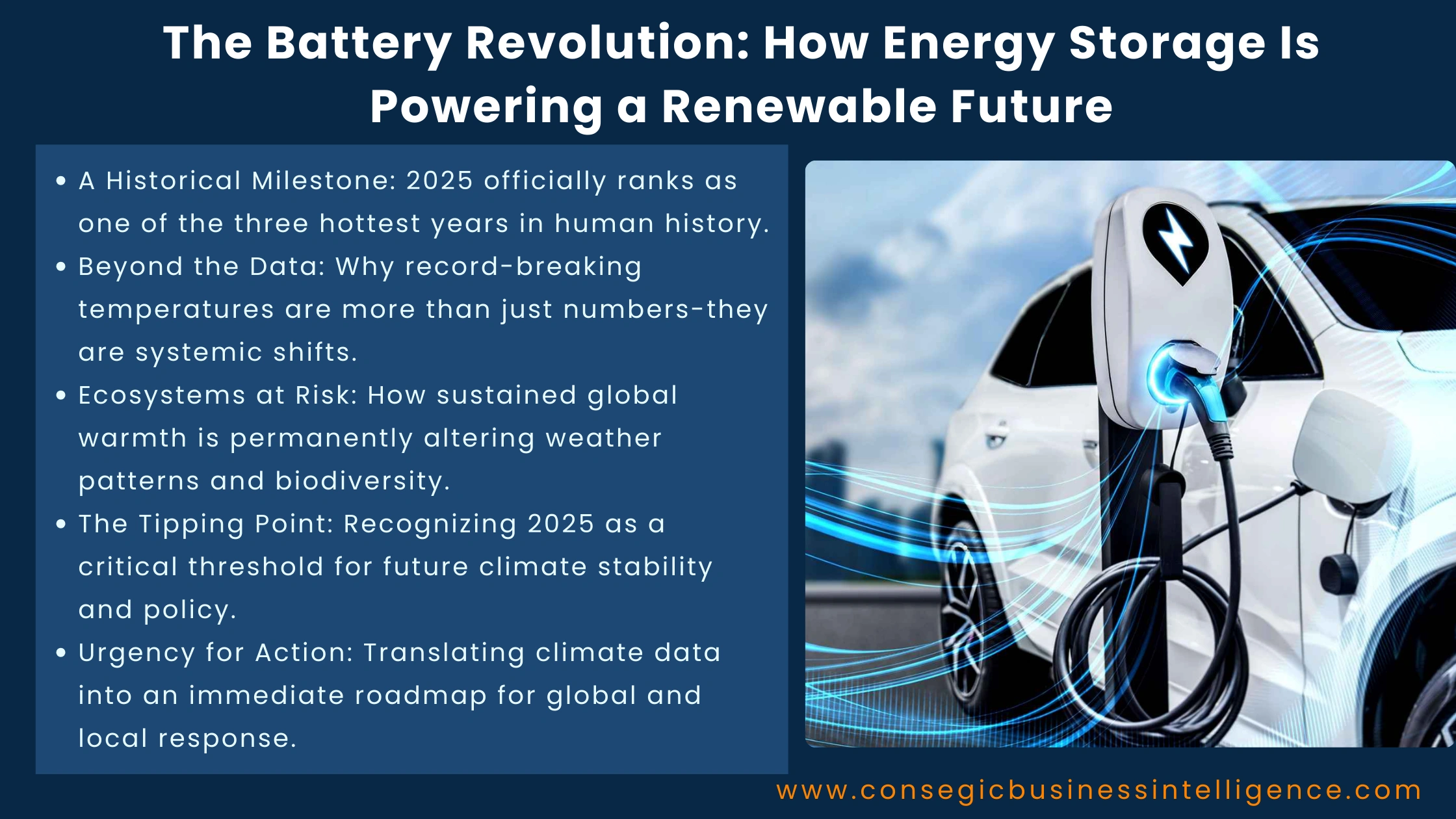
What Is Driving the Battery Revolution
In recent years, the battery energy storage market has grown faster than almost any other energy sector. This growth is driven by three main forces: the rise of renewable energy, the increasing demand for reliable electricity, and rapid improvements in battery technology. Analysts project that battery storage capacity and installations will continue to expand significantly in 2025 and beyond, with utility-scale and residential systems both gaining ground.
Governments and private companies are investing heavily in battery storage because it helps balance the supply and demand of electricity. When renewable sources like solar and wind produce more energy than needed, batteries can store the excess for later use. This stored power can be used during periods of low renewable generation or when energy demand spikes, reducing reliance on fossil fuel plants.
Why Batteries Are Essential for Renewable Integration
Without storage, renewable energy has limited value because of its intermittent nature. Solar panels generate power during the day but not at night, and wind turbines may produce little energy during calm periods. Batteries solve this problem by acting like large reservoirs that hold energy until it is needed. They allow grid operators to store surplus energy and release it later, making renewable sources far more reliable and efficient.
Battery energy storage systems are now a key part of modern power grids for this reason. They help maintain grid stability by smoothing out fluctuations in supply and demand, and they provide backup power when other sources are not available. By making renewable energy dependable, batteries help accelerate the adoption of cleaner sources while reducing emissions from traditional power plants.
Types of Batteries Powering the Future
The most widely used technology today is lithium-ion batteries, known for their high energy density, long cycle life, and falling production costs. Lithium-ion systems dominate both grid-scale storage and electric vehicles, and they are expected to remain central as demand grows. Researchers and engineers are also exploring new materials and advanced chemistries that could improve performance, safety, and environmental impact even further.
Beyond lithium-ion, emerging technologies like flow batteries, sodium-ion, and solid-state batteries are gaining attention for certain applications. These alternatives could offer longer duration storage, better safety, or lower cost in the future. Continued innovation in battery materials and manufacturing is expected to drive even greater efficiency and sustainability for energy storage solutions.
How Battery Storage Is Changing Power Grids
With batteries deployed at scale, electricity grids are becoming smarter and more flexible. Utility-scale storage projects are being built to support renewable farms, while smaller, behind-the-meter systems are helping homes, businesses, and communities manage their own energy needs. Batteries allow users to shift when they draw power from the grid and to reduce energy costs by storing cheaper electricity and using it during peak pricing periods.
Battery storage not only supports renewable integration but also enhances energy security. It provides resilience during outages, and its ability to release stored energy during emergencies makes power systems more robust in the face of extreme weather or infrastructure failures.
Economic and Environmental Benefits
The expansion of battery storage brings economic as well as environmental benefits. Costs for battery systems have fallen significantly in recent years, making them more accessible for a wider range of users. This has attracted investment from utilities, governments, and private companies looking to future-proof their energy infrastructure.
From an environmental perspective, batteries help reduce greenhouse gas emissions by enabling higher shares of renewable energy. When renewable power can be stored and used efficiently, there is less need to burn fossil fuels during peak demand or when renewable generation dips. This shift supports global goals to reduce carbon emissions and limit the impact of climate change.
Challenges and the Road Ahead
Despite rapid progress, challenges remain in the battery revolution. Supply chain issues, the need for critical minerals, and concerns about recycling and end-of-life disposal are important considerations. More sustainable manufacturing practices, expanded recycling infrastructure, and the development of alternative materials will be necessary to meet growing demand responsibly.
Policy support and regulatory frameworks are also critical. Governments can encourage battery deployment through incentives, standards, and investment in research and development. Many countries are already incorporating storage targets into their clean energy plans, and continued support will help drive the transition forward.
Conclusion
The battery revolution is a central part of the global transition to a renewable future. By storing energy when it is abundant and releasing it when needed, battery systems are solving one of the biggest challenges of clean energy. Their rapid growth is reshaping power grids, enabling more renewables to come online, and offering new opportunities for energy reliability and cost savings.
As technology continues to improve and economies of scale reduce costs, battery storage will become even more integral to energy systems worldwide. In a future powered by wind and solar, batteries will be the invisible backbone that keeps the lights on, supports electric transportation, and helps deliver a cleaner, more sustainable energy future for all.