The e-commerce sector is entering a new phase of expansion. Initially intended as a substitute for the traditional Brick and Mortar shop it is quickly establishing itself as a mainstream way to shop for millions worldwide. In terms of e-commerce innovation, we have to take into account the continuous technological advancements and the high consumer expectations. Online shopping will not be just providing goods over the web any more.
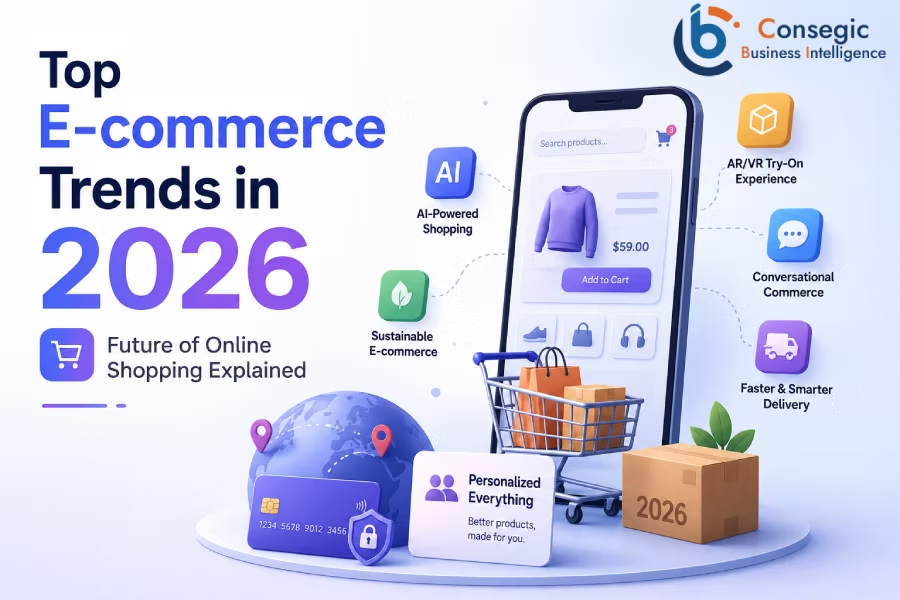
In 2026, online shoppers demand personalized experiences, seamless omnichannel and rapid order delivery, these are only a few of the key elements driving new e-commerce innovations.
If you're curious about what to expect and the leading online shopping trends to watch closely, here are the top e-commerce trends in 2026 to be aware of:
AI-driven personalization to become standard
With the e-commerce industry progressing at an accelerated rate, AI personalization is one of the most powerful e-commerce trends which is continuing to storm the industry. Consumers expect online brands to cater to their preferences and make personalized recommendations in real time.
Modern AI technology will analyse the user’s shopping habits and behaviour to offer the most relevant product recommendations, tailored offers, and dynamic content to each user individually rather than the same catalog to all. This will lead to increase in customer engagement and conversions rates, while keeping customers satisfied.
AI-powered shopping assistants are becoming prevalent
From basic chatbots, the online shopping world is evolving and now comes with AI powered shopping assistants that will not only help discover and compare products but also provide assistance throughout the whole buying process.
Recent consumer research shows that consumers have become increasingly comfortable with AI-powered product recommendations and will now use them throughout the purchasing journey. It will not be surprising when one day consumers start preferring talking to the AI assistant over human sellers.
Social commerce is on the rise
Social media is becoming a primary shopping channel, rather than a secondary marketing platform. In 2026, shoppers will be able to discover, research, and purchase their products on social platforms without having to switch channels. With many more features such as live shopping and influencer-led product recommendations, social commerce is becoming more integrated and influential than ever before, and will become a top e-commerce trend.
From shoppable videos to live buying events, brands will be able to engage consumers in a more personal way and in 2026, this channel of shopping is predicted to become a primary purchasing channel for young customers.
Omnichannel approach is the new normal
There will be a gradual disappearance of distinct channels for online and offline shopping, as most customers will continue to browse through multiple channels before making the purchase. An ideal scenario would be a customer seeing a product on social media, searching for reviews online, seeing the product in a physical store, and finally purchasing it via a mobile app. By ensuring a seamless experience across each channel, brands will be gaining a competitive advantage.
In 2026, omnichannel shopping will no longer be a preference but a mandatory requirement for e-commerce brands.
Mobile commerce will remain the leading driver of online growth
M-commerce or m-shopping that refers to buying on mobile phones, will keep on growing and dominating e-commerce trend in the future because for many people, buying on mobile phone seems quite easy. In addition, retailers try to make this transaction become smoother, easy navigation, efficient checkout procedure and efficient loading times and safe payment processes. Mobile shopping behaviour, website design, and customer engagement strategies are being influenced in order to offer best user experience.
Since there is an increase in the use of mobile devices for internet usage worldwide, online stores that offer superior mobile experience will have a major advantage in future.
Generative Search will revolutionize product discovery
Customer search behaviour has begun to evolve from keywords to natural language and generative search, powered by AI. Such search capabilities can produce summary answers and product recommendations. Generative search offers an intelligent way of searching products where you can ask any question and get the best recommendations without spending much time on scrolling. With more widespread use of this technology, it is going to change the way you discover and shop for products. Businesses will have to ensure that their product information is structured and optimized for generative search capabilities.
Faster, flexible fulfilment will be critical
Apart from all the innovations related to the purchasing behaviour, quick and convenient delivery of products will remain a primary driver of online purchases. Retailers are using technology to improve supply chains, create a local presence and offer local fulfilment options to consumers. Same day or next day delivery options along with other alternatives such as click and collect will become standard practice in most of the markets across the world.
For consumers, the importance of product choice and the delivery speed are equal, and brands will compete not only on the products that are available for them but also on the delivery time.
Sustainability will impact buying decisions
Awareness regarding sustainability among consumers is growing at an exponential pace, and is having an impact on the purchasing habits and choices consumers make. Modern shoppers want sustainable and eco-friendly options and products from businesses with ethical and transparent operations. Packaging waste and sourcing of products, and offering eco-friendly alternatives are key priorities for retailers who are moving towards sustainable business practices.
What The Future of E-commerce Will Be?
Future of e-commerce is highly technological, personalized and connected; the desire among consumers for quick, seamless, and relevant experiences will continue to drive online shopping, as AI, social commerce, m-commerce and omnichannel engagement transform interactions between brands and customers.
However, trust, sustainability and data privacy will remain equally significant purchasing factors in the future of e-commerce.
Conclusion
The major e-commerce trends to watch out for in 2026 suggest that the industry will be centered more than ever around customers, with AI driven personalization, conversation-based e-commerce, social buying, omnichannel approach and agile delivery changing how people shop. However, as long as businesses are well aware of the changing consumer behaviour and actively adapting their practices in a transparent and responsible manner, they are set to succeed in the future online retail world. As the most recent online shopping trends evolve, it’s clear that e-commerce of the future will be more personal, connected and convenient than ever.