Why Greenland Is at the Center of a New Global Power Struggle
Silver has captured a lot of attention in financial markets in recent years. In early 2026, silver reached record prices in many markets, including breaking local benchmarks in India and global exchanges. These movements reflect broader shifts in how silver is viewed by investors, industries, and financial markets. Understanding what drives the price of silver helps traders, investors, and industry participants make better decisions. In this blog we explore five key factors shaping silver prices in 2026, explaining them in simple, easy-to-understand terms.
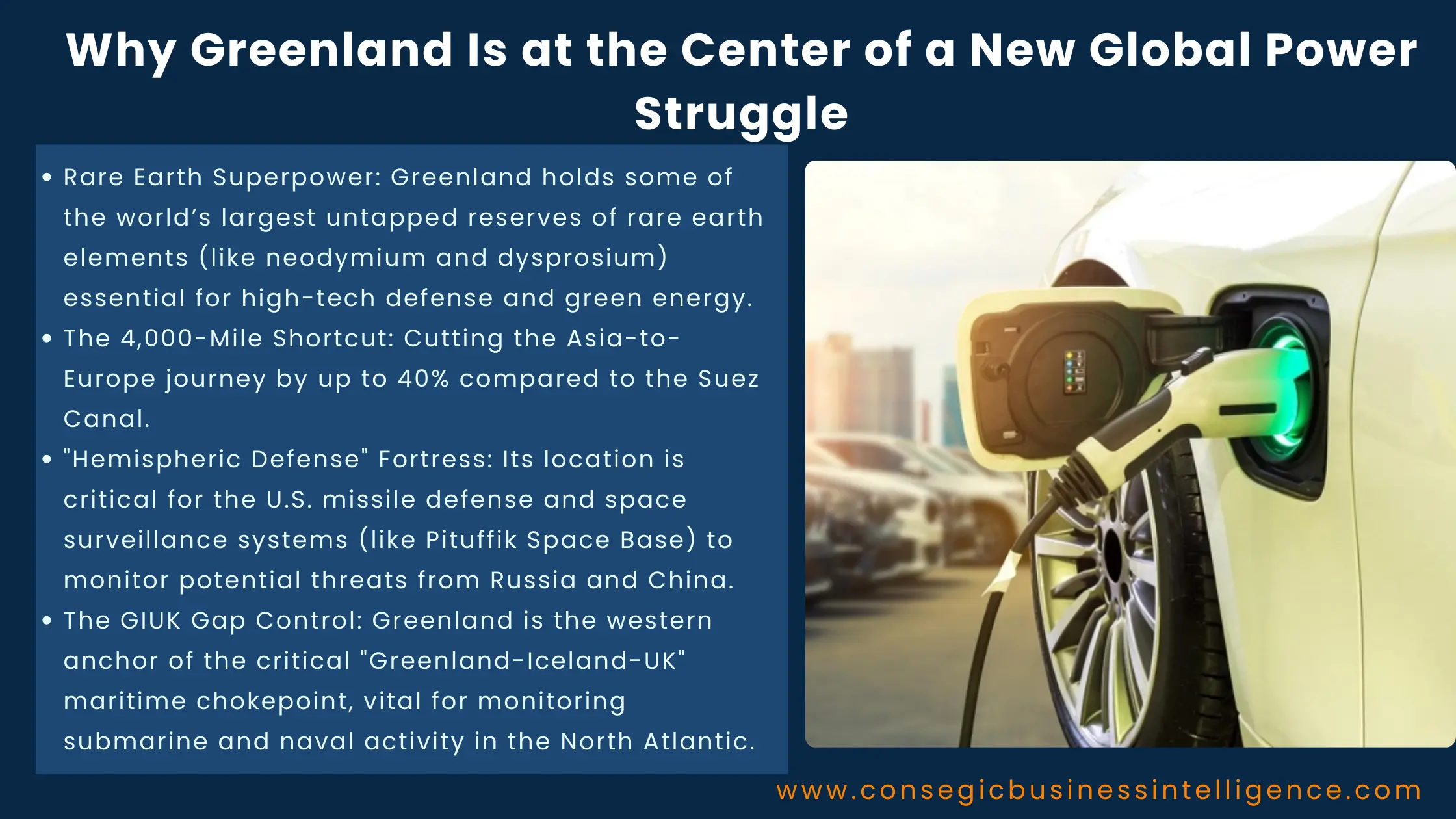
In recent years, the icy landscapes of Greenland have become more than just a symbol of climate change. They have emerged as a focal point of global strategic competition. Once overlooked for its isolation, Greenland is now attracting the attention of world powers due to its vast natural resources, critical geographic location, and growing geopolitical relevance. As melting ice opens new trade routes and exposes valuable minerals, Greenland is quietly becoming a stage where economic ambition, environmental urgency, and military strategy intersect.
A Land of Ice and Opportunity
Greenland, the world’s largest island, lies between North America and Europe, making it a bridge between the Atlantic and the Arctic. For decades, it remained outside the spotlight, home to a small population, limited infrastructure, and a landscape dominated by ice. However, climate change is reshaping that reality. Rising global temperatures are melting Greenland’s ice sheet faster than ever, exposing land and waterways that were once permanently frozen.
This melting is revealing something of immense global interest: access to natural resources such as rare earth minerals, oil, gas, and freshwater. These resources are crucial for industries ranging from clean energy to advanced technology, including batteries, electric vehicles, and defense systems. As the world transitions to greener technologies, countries are increasingly competing to secure access to these materials, and Greenland has suddenly become a valuable player in this new economic landscape.
The Strategic Location That Shapes Global Power
Geography has always influenced global power, and Greenland’s position makes it uniquely important. Located in the Arctic Circle, the island sits near key shipping lanes that could become vital as melting ice opens up new northern trade routes between Europe, North America, and Asia. These Arctic passages could dramatically cut travel times for cargo ships, offering an alternative to traditional routes such as the Suez Canal.
This strategic advantage has caught the attention of major powers. The United States, Russia, and China have all increased their interest in Greenland in recent years. For the United States, which already has a military presence there through Thule Air Base, Greenland represents a critical point for monitoring the Arctic region and North Atlantic. Russia, on the other hand, views the Arctic as part of its strategic frontier, while China sees Greenland’s mineral wealth and shipping potential as an opportunity to expand its global influence under its broader Arctic strategy.
Resource Wealth and Economic Potential
Beneath Greenland’s icy surface lies a treasure trove of minerals that are increasingly in demand. The island holds significant deposits of rare earth elements, which are essential for manufacturing smartphones, electric motors, wind turbines, and defense equipment. Currently, China dominates the global supply of rare earths, and other nations are eager to find alternative sources. Greenland’s potential to diversify this supply has made it a target for international investment and exploration.
In addition to minerals, Greenland’s offshore waters may contain untapped reserves of oil and natural gas. However, the local government has taken a cautious approach. In 2021, Greenland banned new oil exploration licenses to prioritize environmental sustainability and protect its fragile ecosystem. Still, interest remains high in mining projects that could help drive economic independence while meeting global demand for critical resources.
Climate Change: The Double-Edged Factor
Climate change is both the reason for Greenland’s newfound importance and its greatest threat. The rapid melting of the ice sheet has devastating consequences for global sea levels and ecosystems. Yet, paradoxically, it is also what makes the island’s natural wealth more accessible. This dual reality places Greenland in a complex position as it benefits economically from melting ice while suffering from the same global warming that drives it.
The situation highlights a broader ethical dilemma: how to balance environmental protection with economic opportunity. Greenland’s leaders, as well as international policymakers, must navigate this challenge carefully to ensure that economic development does not come at the cost of the planet’s stability.
Local Politics and the Independence Question
Greenland is an autonomous territory within the Kingdom of Denmark, but it has long harbored aspirations for greater independence. The island relies heavily on Denmark for economic support, but revenue from potential resource exports could strengthen its case for self-sufficiency. As international interest in Greenland’s resources grows, so does its leverage in political and economic negotiations.
This internal dynamic adds another layer to the geopolitical puzzle. While foreign powers are interested in Greenland’s strategic advantages, the island’s own government is determined to ensure that development happens on its terms and in ways that benefit local communities.
A New Frontier for Global Competition
The growing interest in Greenland is not happening in isolation. It reflects a broader global competition for influence in the Arctic, a region increasingly seen as the next major geopolitical frontier. Melting ice is revealing new routes, resources, and opportunities, and nations are positioning themselves to benefit.
For the United States and its allies, maintaining a presence in Greenland is about security and stability. For China, it represents economic expansion and access to rare resources. For Russia, it is about reinforcing its position as an Arctic power. Together, these competing interests are turning Greenland into a key arena for future diplomacy, commerce, and strategy.
Conclusion
Greenland’s transformation from a remote, ice-covered island into a global hotspot illustrates how rapidly the world’s geopolitical landscape can change. What was once a frozen frontier is now a crossroads of climate change, energy transition, and international rivalry. Its natural resources, strategic location, and growing accessibility have made it one of the most valuable pieces of real estate on the planet.
As countries look to secure their positions in the Arctic, Greenland’s decisions will play a major role in shaping the balance between development and sustainability. The world’s attention on this icy island is only going to increase, making Greenland not just a symbol of climate change but a center stage for the next great chapter in global power dynamics.