Gift-giving has always been a cherished part of celebrations, whether it’s birthdays, weddings, or festive holidays like Christmas, Diwali, or Thanksgiving. Yet, in recent years, something remarkable has changed. Around the world, consumers are rethinking what it means to give, leading to the rise of sustainable gifting. From handmade crafts to ethically sourced products and zero-waste packaging, people are embracing eco-friendly gifts as a way to show care not just for loved ones but also for the planet. This shift is reshaping how consumers approach shopping, celebrations, and conscious living during the holidays.
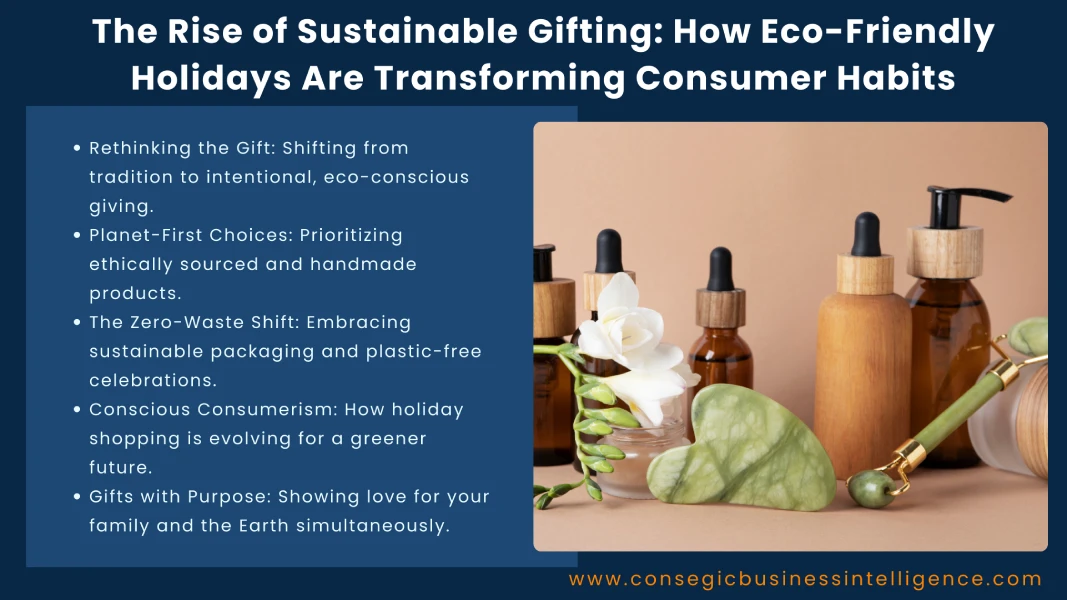
At its heart, sustainable gifting is about mindfulness, choosing gifts that minimize environmental harm while maximizing emotional value. Instead of purchasing mass-produced, short-lived items, consumers are increasingly favouring eco-conscious alternatives that promote responsible consumption. This change highlights a growing awareness that every purchase has an environmental footprint and that even festive giving can play a role in sustainability.
A Shift Toward Conscious and Meaningful Giving
The growing popularity of sustainable gifting is driven by several interconnected factors. Rising environmental awareness has made consumers more conscious of how their buying habits affect the planet. Younger generations, especially Millennials and Gen Z, are leading this movement by aligning their spending with personal values such as sustainability, ethics, and transparency. Many consumers now view eco-friendly gifting as a reflection of responsibility and care, both for the environment and for the people they cherish. The joy of giving, therefore, is no longer measured by extravagance but by the thoughtfulness and purpose behind each choice.
What Sustainable Gifting Looks Like Today
Sustainable gifting has evolved beyond a trend into a lifestyle. It often starts with product selection. Many people now prefer items made from recycled, biodegradable, or responsibly sourced materials like bamboo accessories, reusable drinkware, organic skincare products, or handwoven textiles. Others are turning toward experience-based gifts, such as concert tickets, wellness retreats, or charity donations, experiences that create memories without producing waste. This “less is more” philosophy is redefining how people perceive value, shifting focus away from quantity toward authenticity and sustainability.
Even gift presentation has become part of this eco-conscious movement. Traditional wrapping paper, ribbons, and plastic packaging are being replaced by recyclable or reusable alternatives. Fabric wraps inspired by the Japanese art of furoshiki, kraft paper, and biodegradable gift tags are becoming popular choices. These small yet impactful changes not only reduce waste but also add a personal touch that enhances the overall gifting experience.
Sustainability in Corporate and Business Gifting
Businesses are also responding to this transformation. The shift toward sustainability isn’t limited to individual consumers, corporate gifting is evolving too. Companies are moving away from generic promotional products and instead choosing items that align with their environmental and social responsibility goals. Gifts like seed paper notebooks, eco-friendly office supplies, and ethically made hampers are increasingly common in the corporate world.
The Benefits of Sustainable Gifting
This growing adoption of sustainable gifting brings clear benefits across environmental, social, and emotional dimensions. Environmentally, it helps reduce waste generation and lowers the carbon footprint associated with manufacturing and transportation. Socially, it supports local artisans, small-scale producers, and ethical businesses that prioritize fair labor and eco-friendly materials. For consumers, it encourages a deeper emotional connection to the gifts they give, knowing that their choices have a positive impact.
Redefining Holiday Traditions Through Sustainability
The cultural significance of holidays also plays a key role in this transformation. Traditionally, the festive season has been associated with abundance and consumerism, often resulting in excessive waste. But now, as sustainability becomes mainstream, holidays are taking on a new meaning, one that blends celebration with consciousness. Families are adopting minimal-waste decorations, gifting locally produced goods, and emphasizing shared experiences over excessive purchases. These evolving traditions reflect how sustainability is slowly becoming part of everyday life, not just a trend.
Conclusion
Ultimately, the rise of sustainable gifting symbolizes a broader shift in global consumer behavior. It represents a collective desire to make choices that feel good, do good, and last longer. As the world becomes more environmentally aware, gift-giving is evolving from a moment of transaction into a gesture of connection between people, communities, and the planet itself.
As we move toward a future shaped by environmental responsibility and conscious consumption, sustainable gifting offers a refreshing reminder that even small actions can have a meaningful impact. The holidays, after all, are about generosity and care and now, that spirit extends beyond human relationships to include the world we share. In embracing this change, consumers are not just redefining how they celebrate but they’re helping create a greener, more thoughtful way to give.