The logistics and transportation industry are currently undergoing a revolution in 2026 because of developments in technology, rise in customer expectations, and the necessity for a better logistics system. Since the emergence of electronic commerce, globalization, and new logistics system, firms have adopted technological innovation in order to improve efficiency, reduce cost and satisfy customers. Innovations such as artificial intelligence (AI), internet of things (IoT), automation, block-chain technology, and data analytics have contributed greatly to this transformation within the logistics industry. In addition, companies have taken up the green approach through use of electric vehicles and smart warehouses.
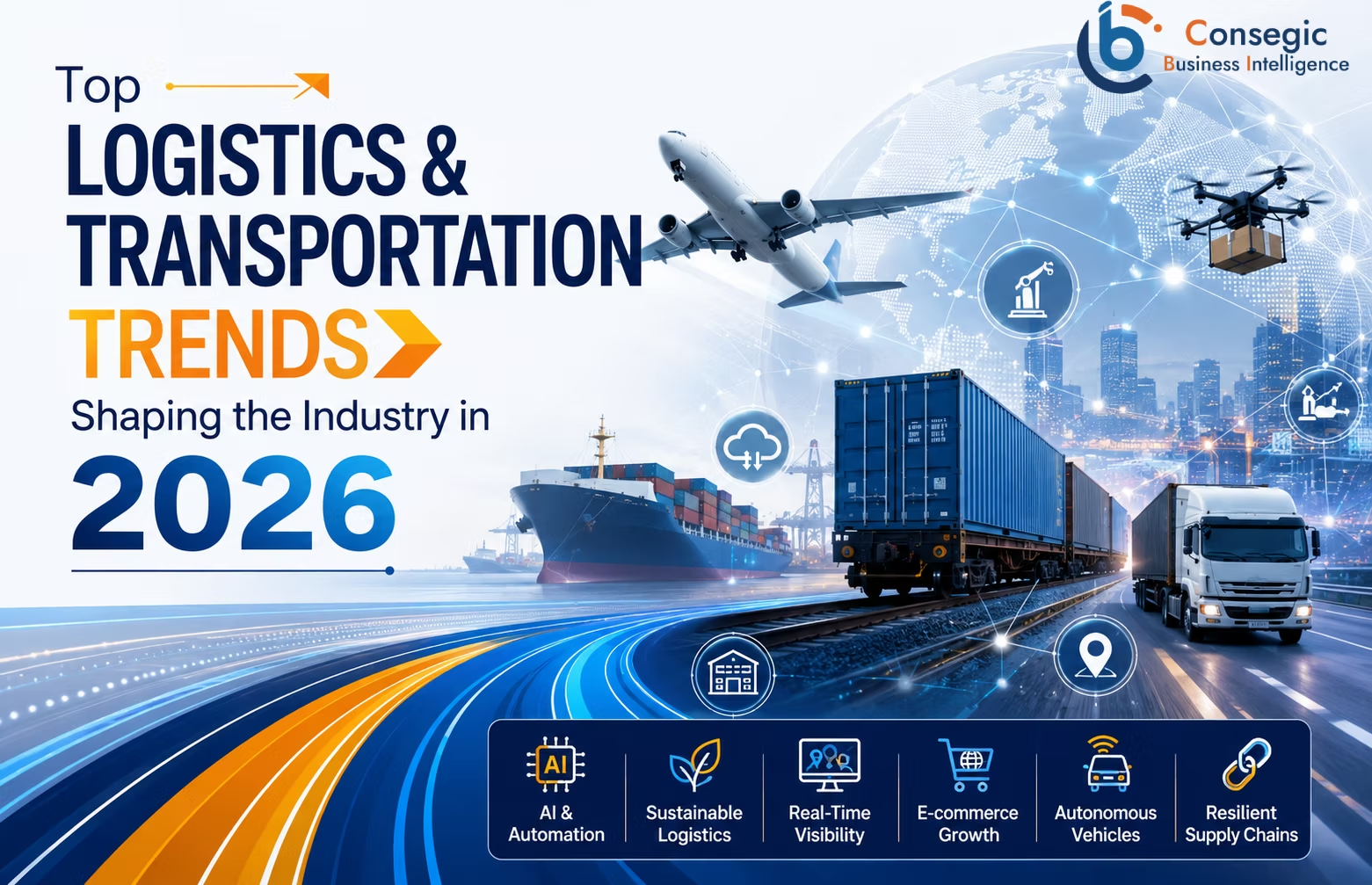
Moreover, the advancements made in real-time tracking technologies and autonomous transportation are enhancing the efficiency and transparency of supply chain operations. Furthermore, the impacts of economic changes and rising fuel costs around the world have pushed organizations to create supply chains that are more adaptive and robust. Such innovations are making sure that organizations can optimize their transportation services and inventory management to cater to today’s demanding consumers. As far as advancements in logistics continue, it becomes imperative to keep yourself up-to-date with current trends to sustain in the market. Further below, we will highlight some Top Logistics & Transportation Trends of 2026.
AI-Powered Logistics & Autonomous Decision-Making
AI has emerged as a revolutionary force within the logistics and transport industry in 2026. Logistics firms are using artificial intelligence-based systems for their operational functions to automate operations and minimize cost while boosting efficiency. AI techniques can be applied in logistics processes like demand forecasting, optimization of routes, warehouse management, predicting maintenance and failures, and shipment monitoring among others. These machine learning algorithms will analyse the data from the logistics process and be able to make decisions much faster than conventional methods.
Moreover, autonomous decision-making processes will enable organizations to react effectively to various disruptions including traffic, climatic changes, rise in fuel prices, and supply chain interruptions. In addition to that, customer engagement and services have improved significantly because of artificial intelligence through instant provision of information to customers about shipments. In the warehouses, robotic automation and AI-enabled sorting mechanisms have boosted the efficiency of these facilities while cutting down the chances of making human errors. In addition to enhancing the performance of these logistics’ operations, the use of AI has led to more flexible logistics processes.
Sustainable & Green Transportation
The concern for environmental protection is now making sustainability a key issue within the logistics and transportation industry, forcing companies to be responsible for the damage they do to the environment. By 2026, firms have been seen to engage in using green transportation techniques to minimize carbon emissions and energy wastage. The use of electric vehicles and hybrid trucks for the delivery of goods as well as the use of alternative fuels has become common practice. Moreover, the adoption of sustainable logistics also involves the use of renewable energy in the operations of warehouses and eco-friendly packages.
Software designed to optimize delivery routes has been playing an important part in minimizing fuel wastage by ensuring that the route used is the shortest. Furthermore, the logistics firms are putting efforts to minimize unnecessary movement of trucks that are not carrying any cargo. Additionally, customers and organizations are requesting carbon reports from the firms to enable them to monitor their carbon footprint. Apart from protecting the environment from degradation, sustainable logistics practices ensure reduced operational costs. Organizations that adopt sustainable practices are gaining a competitive advantage.
Real-Time Supply Chain Visibility
In 2026, real-time visibility of the supply chain has become a must for logistics firms as it offers transparency that companies require. The implementation of technologies such as IoT, GPS tracking, cloud technology, and blockchain technology allows them to track shipments and inventory in real-time. Using this technology, the company will know the exact place and condition of its cargo while it is being transported.
This visibility allows the organization to know about any disruptions in the chain and take proper action accordingly. Communication between suppliers, transporters, warehouses, and customers also becomes much smoother due to real-time visibility. Moreover, predictive analytic tools are capable of estimating the possibility of disruptions in the supply chain caused by various factors such as unfavourable weather conditions or busy ports. Companies gain insights into whether they are likely to face disruptions and take preventive measures to avoid it. Better visibility enables companies to optimize their inventory.
Smart Warehousing & Automation
Smart warehousing and automation have been changing the way logistics companies conduct their operations in 2026 through enhancing their speed, accuracy, and efficiency in their distribution centres. Most companies nowadays are using automation technologies that include robotic pickers, AGVs, conveyor belts, and warehouse management systems. This technology is also helping logistics companies to improve the efficiency of operations at warehouses and decrease dependency on manual labour.
Using automation in the warehouse has been helping companies increase the speed of order fulfilment while reducing chances of human errors. Smart sensors and IoT devices have been deployed in the warehouse to help monitor the inventory in real-time, hence ensuring better stock management and reduced risks of losing the goods. Moreover, artificial intelligence has been used in optimizing the layout of the warehouse and making it more effective.
Furthermore, the increase in the use of e-commerce platforms has led to a significant rise in customer demand for quicker service and fast order processing. In this case, the use of smart warehousing becomes critical in helping firms meet the customer needs and fulfil their orders in an effective way.
Supply Chain Resilience & Multi-Modal Logistics
The main concerns of logistics and transport organizations is associated with the growing uncertainties related to such issues as geopolitical tensions, climate changes, economic turbulence, and changing rules of the game in international commerce. It is crucial that businesses ensure the flexibility of their supply chains and make them capable of responding promptly to any sudden problems or obstacles without having their activities seriously hindered.
Multi-modal logistics, including the combination of roadways, railway transportation, aviation services, and sea shipping, appears to be one of the strategies that are going to be used extensively in order to enhance logistics operations. Another solution that can contribute to increased flexibility and resilience is based on finding alternative suppliers and organizing regional supply centres.
Moreover, use of advanced analytics and digitization of the supply chain management system have enabled organizations to identify potential risks. A resilient supply chain increases operational efficiency, builds customer trust, and ensures continuity of business. With growing complexities in international business today, only those businesses which focus on resilience and agility will be able to survive and thrive in the logistics sector.
Conclusion
The logistic and transportation sector in 2026 will experience major shifts owing to technological innovation, environmental factors, and changing demands of the consumer market. Some of the trends such as logistics enabled by artificial intelligence, eco-friendly means of transport, real-time supply chain visibility, smart warehousing, and robust multimodal logistics are contributing to increased efficiency and customer satisfaction. Moreover, modern logistics trends are assisting companies in lowering cost, optimizing assets, and becoming responsive to any global disruptions. Additionally, advancements in technology and automation have resulted in efficient supply chain management through digital processes and automated handling. In light of stiff competition in the global market, companies which adopt logistics management systems are destined for success.