Jump to Content
Aircraft Auxiliary Power Unit Market - Size, Share, Industry Trends, and Forecasts (2025-2032)
Aircraft Auxiliary Power Unit Market Size:
Aircraft Auxiliary Power Unit Market Size is estimated to reach over USD 5.14 Billion by 2032 from a value of USD 3.67 Billion in 2024 and is projected to grow by USD 3.80 Billion in 2025, growing at a CAGR of 4.3% from 2025 to 2032.
Aircraft Auxiliary Power Unit Market Scope & Overview:
An aircraft auxiliary power unit (APUs) is a self-contained power source that generates electrical power independently of the main engines. Once activated, it produces the necessary electrical energy to run various aircraft systems, including air conditioning. Furthermore, these capabilities of auxiliary power units to generate electrical power, and pneumatic power are crucial for ground operations such as pre-flight checks, boarding, and servicing.
How is AI Impacting the Aircraft Auxiliary Power Unit Market?
AI is significantly impacting the Aircraft Auxiliary Power Unit (APU) market, primarily through enhanced efficiency and predictive maintenance. AI algorithms analyze vast amounts of data from APU sensors, enabling real-time monitoring and anomaly detection. This allows for the early identification of potential failures, shifting maintenance from reactive to predictive, which drastically reduces unexpected downtime and lowers operational costs for airlines. AI also optimizes APU performance by fine-tuning fuel consumption and power output based on real-time operational needs and environmental conditions, leading to greater fuel efficiency. Furthermore, AI assists in the development of "digital twins" of APUs, facilitating simulations for design improvements and streamlined troubleshooting.

Aircraft Auxiliary Power Unit Market Dynamics - (DRO) :
Key Drivers:
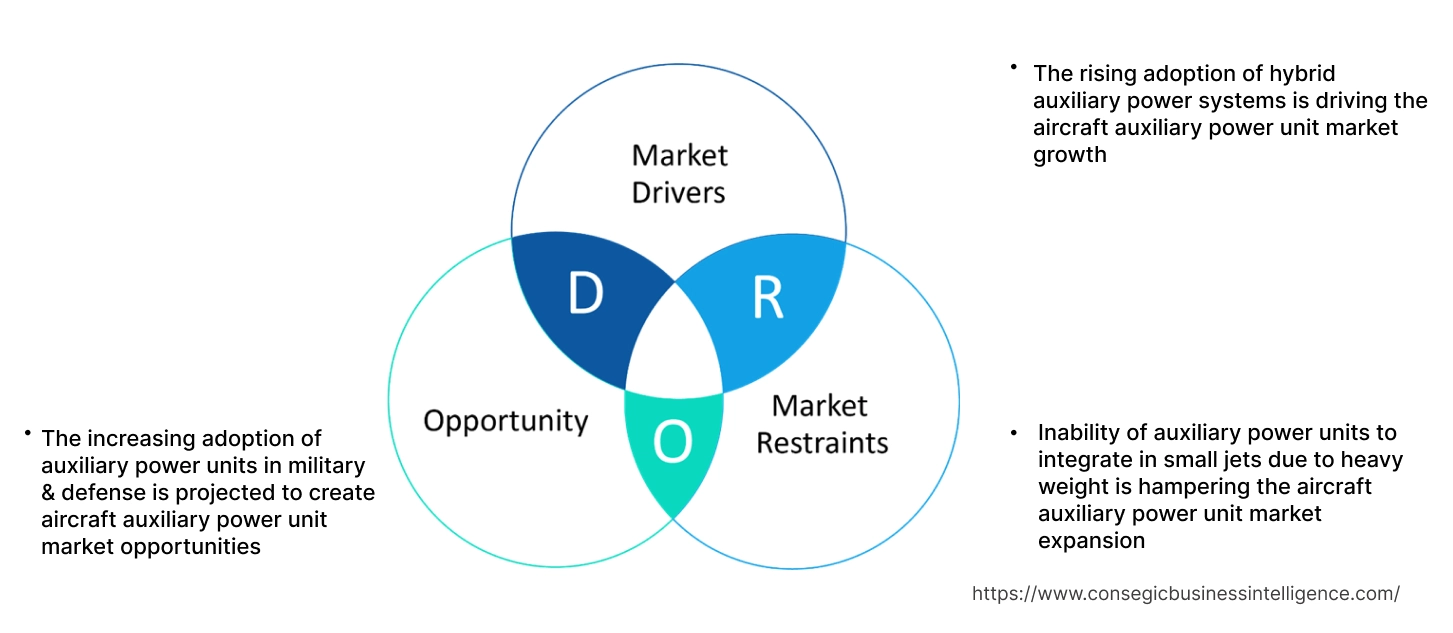
The rising adoption of hybrid auxiliary power systems is driving the aircraft auxiliary power unit market growth
The hybrid APUs are combination of conventional auxiliary power units and hybrid technologies, which helps in reduction in emissions, fuel costs, and engine wear. Moreover, these hybrid systems help with performance enhancements and supplying power to cockpit instruments while the main engine is off. Furthermore, these power systems help in lowering environmental impact, as they generate fewer harmful emissions compared to fuel-based systems, more environmentally friendly and better suited for operations in noise-sensitive areas.
- In September 2022, Air Canada placed a purchase order for 30 hybrid-electric aircraft from Heart Aerospace. These systems driven by electric motors run by batteries, allows the airplane to operate with zero emissions and low noise reducing carbon footprints.
Thus, according to the analysis, the increasing advancements in auxiliary power systems is driving the aircraft auxiliary power unit market size.
Key Restraints:
Inability of auxiliary power units to integrate in small jets due to heavy weight is hampering the aircraft auxiliary power unit market expansion
The auxiliary power unit are incompatible for smaller jets due to its heavy weight, as increasing weight of systems affects jets performance, fuel efficiency, and range. Moreover, small jets are designed to be lightweight to maximize fuel efficiency and performance. The weight of conventional auxiliary power units, with their robust components and redundant systems, significantly impact payload capacity, range, and overall operating costs. Furthermore, integrating a heavy APU into the limited space requires complex and costly modifications to the aircraft's structure, further increasing development and production costs.
Therefore, based on the analysis, the complexities auxiliary power units facing due to its incompatibility with smaller jets hinders the aircraft auxiliary power unit market growth.
Future Opportunities :
The increasing adoption of auxiliary power units in military & defense is projected to create aircraft auxiliary power unit market opportunities
Auxiliary power units provide power for avionics, communication systems, and sensors during pre-flight checks and maintenance making it reliable and flexible for military & defense industry. Additionally, these auxiliary power units utilize secondary power solutions for fixed wings, rotor wing and even ground cart applications that support global military logistics. Moreover, the shaft power of these aircraft auxiliary power unit controls AC/DC generators, hydraulic pumps, cooling fans and accessory transmissions.
- For instance, Honeywell designed a military auxiliary power unit (36-150CH). This new auxiliary power unit model is a single-shaft, constant speed gas turbine engine, which provides shaft and pneumatic power for ground and airborne operations.
Based on the aircraft auxiliary power unit market analysis, the growing adoption of these systems due to their advanced capabilities is increasing the aircraft auxiliary power unit market opportunities in military & defense sector.
Aircraft Auxiliary Power Unit Market Segmental Analysis :
By Platform Type:
Based on the platform type, the market is segmented into commercial aviation, military aviation, and general aviation.
Trends in the Platform Type:
- The increasing trend of broad aircraft auxiliary power unit model scale has enabled secondary power solutions for fixed wing, rotor wing and even ground cart applications that support global military logistics.
- Auxiliary power units’ contribution to fuel savings by reducing the need to operate main engines for ground operations, lowering emissions and operational costs, is increasing auxiliary systems market trend.
Commercial aviation segment accounted for the largest revenue in the total aircraft auxiliary power unit market share in 2024 and fastest CAGR in forecast period.
- The auxiliary power units are widely utilized in aeroplanes, and helicopters for electric power supply to the aircraft’s on-board systems for starting the main engine.
- Additionally, commercial airlines rely heavily on auxiliary power units to provide auxiliary power for ground operations, cabin facilities, and in-flight systems, driving the growth of aircraft auxiliary power units
- Moreover, these systems provide up to six hours of continuous operation, with highly reliable APU functions, and have long life span.
- For instance, PBS Aerospace’s APU Safir 5K/G-Z8 is used for commercial aviation applications due to its advanced capabilities such as six hour long continuous operation, long service life, and simple maintenance.
- Based on the aircraft auxiliary power unit market analysis, the dependence of multiple aircraft operations and services on APUs is driving the aircraft auxiliary power unit market demand.
By Aircraft Type:
Based on the aircraft type, the aircraft auxiliary power unit market is segmented into fixed-wing, rotary-wings, and UAVs.
Trends in Aircraft type:
- The trending advancements in technology such as, the use electronic fuel injection to ensure consistent performance around a variety of operating temperatures and altitudes.
- The versatility of fixed-wing aircraft requires auxiliary power units to provide power supply for various systems and operations across different systems is increasing aircraft auxiliary power unit market demand.
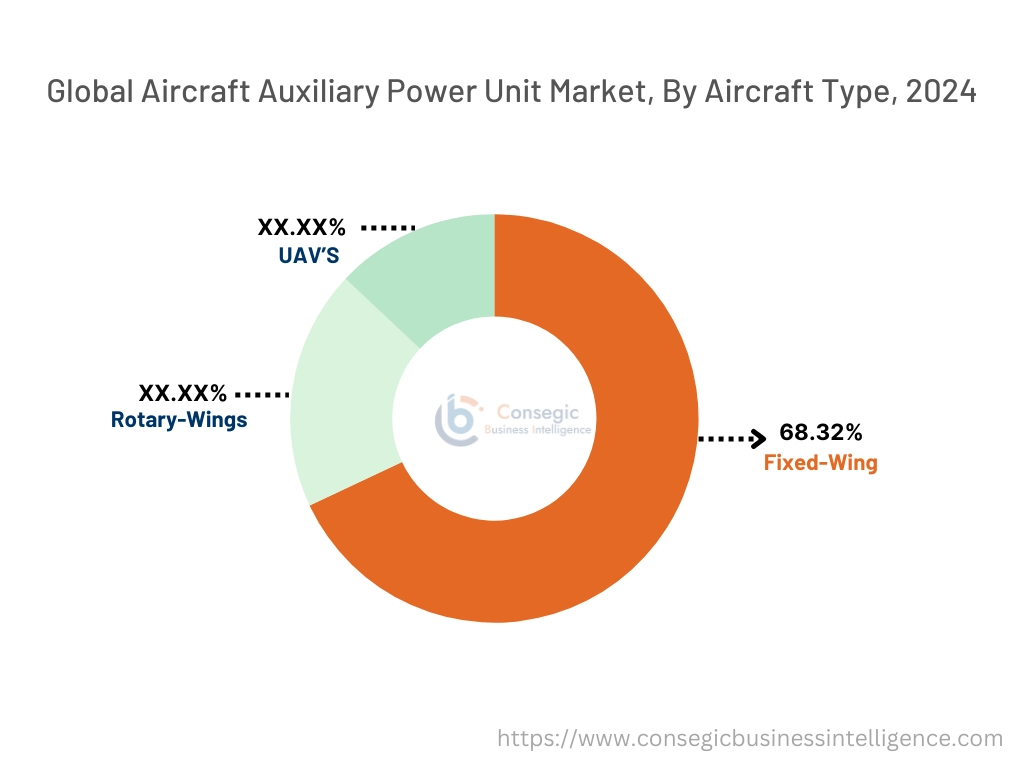
The fixed-wing aircrafts accounted for the largest revenue share of 68.3% in the year 2024 and fastest CAGR in forecast period.
- In fixed-wing aircrafts, auxiliary power unit is crucial for providing electrical power when engines are shut down and ground power is unavailable, ensuring smooth operation.
- Fixed wing aircrafts require auxiliary power unit for safer airborne operation as they are operationally efficient and are operated for longer flight hours.
- For instance, The RW1-79 is a Wankel-based auxiliary power unit (APU) with an integrated 11kW generator, designed for fixed-wing aircrafts with high electrical load requirements. Also, its advanced electronic fuel injection ensures consistent performance around a variety of operating temperatures and altitudes.
- Thus, based on the above analysis, the extensive usage of fixed-wing aircrafts in aviation sector is driving the aircraft auxiliary power unit market expansion.
Regional Analysis:
The global market has been classified by region into North America, Europe, Asia-Pacific, MEA, and Latin America.
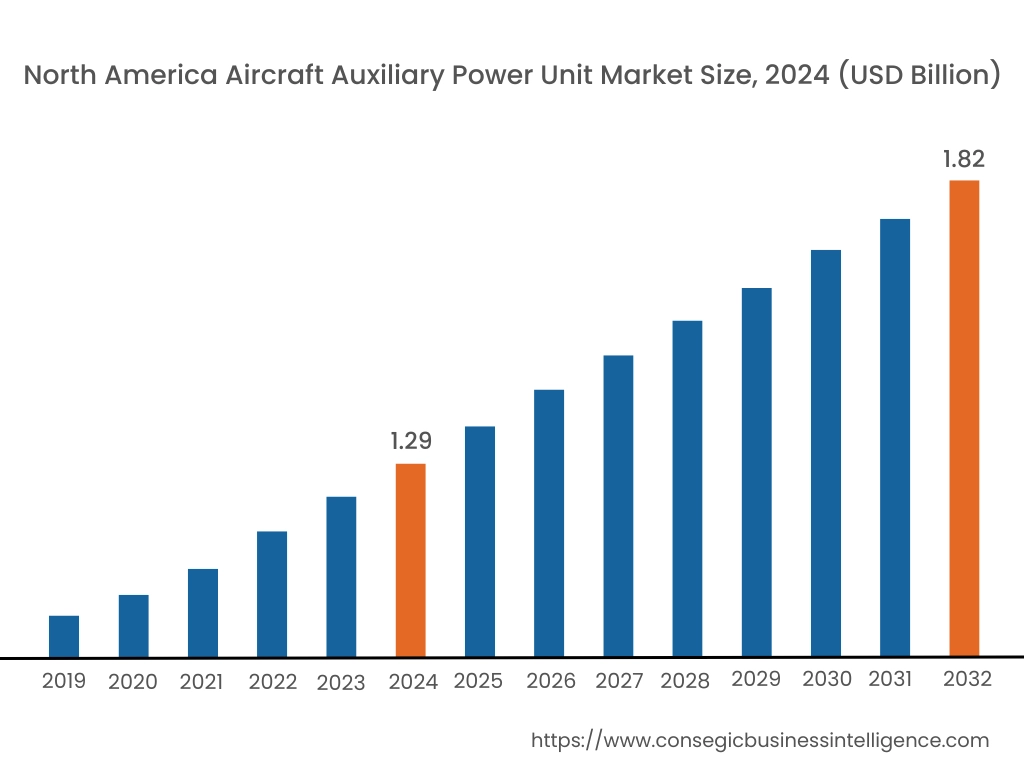
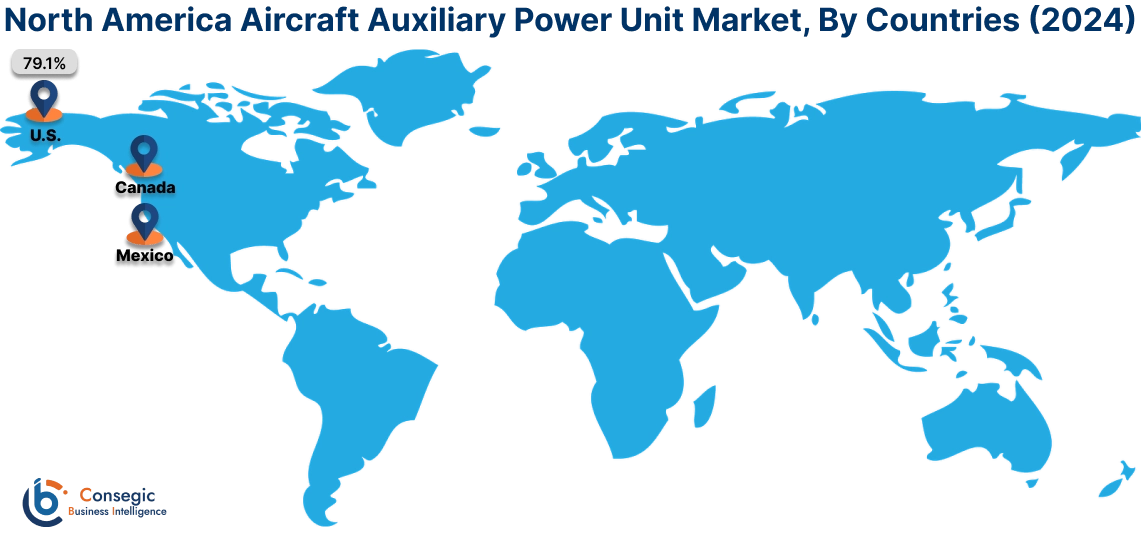
North America region was valued at USD 1.29 Billion in 2024. Moreover, it is projected to grow by USD 1.34 Billion in 2025 and reach over USD 1.82 Billion by 2032. Out of these, U.S. accounted for the largest share of 79.1% in 2024.
North America holds the largest share in auxiliary power unit market in 2024. The region dominance is due to the presence of a high number of military and commercial aviation production units. Additionally, the region’s robust commercial aviation sector, and significant military aircraft acquisition, increases demand for auxiliary power units. Moreover, the key players in aerospace industries and major APUs manufacturers, such as Honeywell, and Pratt & Whitney, are headquartered in North America, contributing to the aircraft auxiliary power unit market trends through continuous innovation and product development. Furthermore, strict regulatory standards in the United States ensure high-quality and reliable auxiliary power units. The region's extensive maintenance, repair, and overhaul infrastructure supports the further growth of the market.
- For instance, in 2024, The S. Department of Transportation’s Federal Aviation Administration awarded USD 148.3 million for 73 airport-related infrastructure projects in 28 states and Guam. These projects were funded exclusively under the Bipartisan Infrastructure Law Airport Infrastructure Grants (AIG) program, which provides about USD 15 billion in total funding with USD 3 billion annually for 5 years.
Asia Pacific region was valued at USD 1.07 Billion in 2024. Moreover, it is projected to grow by USD 1.11 Billion in 2025 and reach over USD 1.53 Billion by 2032.
Leading Asian countries such as Japan, India, and China are majorly investing in aviation industry leading to the expansion of auxiliary power unit market. Also, the region’s economic growth and infrastructure development across various sectors such as commercial aviation, military, and marine, are expected to contribute to the growing demand of auxiliary power units. Moreover, region’s airlines are modernizing their fleets to achieve operational efficiencies and cost savings, increasing the demand for auxiliary power unit with improved performance and reliability. Furthermore, the leading manufacturers prioritize consumer demands and evolving aircraft auxiliary power unit market trends, ensuring compliance with strict regulatory standards. Their competitive edge is maintained through continuous product development, strategic partnerships, and cutting-edge research.
- For instance, in March 2022, Asia Cargo Network invested USD 10 million for the first phase of the Kertajati Aircraft Maintenance construction. This agreements focused on maintenance, repair, and overhaul (MRO) facility at Kertajati International Airport.
As per the analysis, European nations including UK, France, and Germany are investing heavily in aerospace technologies holding the majority of the aircraft auxiliary power unit market share due to partnership and investment in aviation industry. Investments in modernizing transportation networks, energy grids, and communication systems are essential for supporting market trends. These upgrades facilitate smoother operations and mitigate potential blockages, promoting both current and future growth. Europe’s commitment to infrastructure development ensures the market’s adaptability and resilience. Additionally, the growth in MEA region is due to the investment in aircraft auxiliary power unit market to enhance the capabilities of their commercial airfields. As the defense spending is growing in this region to upgrade their military infrastructure, this will significantly drive the aircraft auxiliary power unit market size for safe flight missions.
Top Key Players and Market Share Insights:
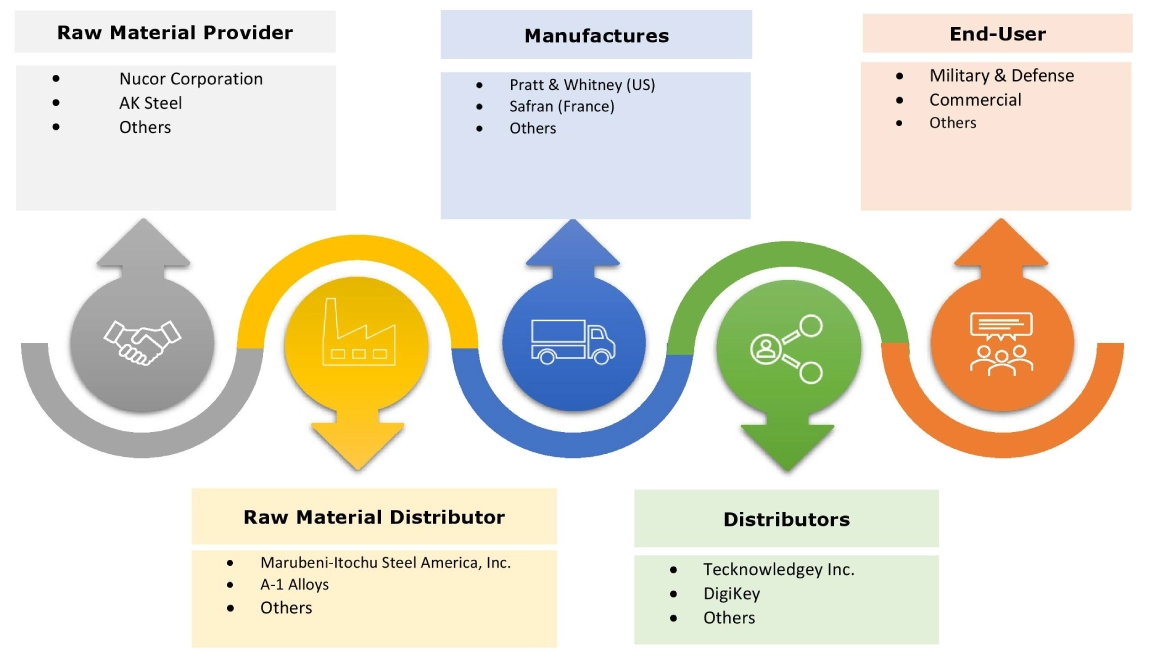
The market is highly competitive with major players providing solutions to the national and international markets. Key players are adopting several strategies in research and development (R&D), product innovation, and end-user launches to hold a strong position in the market. Key players in the aircraft auxiliary power unit industry include-
- Pratt & Whitney (US)
- Safran (France)
- Aerosila (Russia)
- Motor Sich (Ukraine)
- PBS Group (Czech Republic)
- Honeywell International, Inc. (US)
- Aegis Power Systems, Inc (US)
- Hamilton Sundstrand (US)
- Technodinamika (Russia)
- Rolls-Royce plc (UK)
Recent Industry Developments :
Partnerships & Collaborations:
- In July 2024, Honeywell signed an agreement with Air India Limited and a Tata Group enterprise, for Auxiliary Power Unit aftermarket support covering both Air India’s existing and new fleets. The agreement includes maintenance support for Honeywell APUs, high aircraft dispatch reliability and fleet availability, and lower unplanned maintenance costs across Air India’s fleet.
- In July 2024, China Southern Airlines and Lufthansa Technik signed an exclusive eight-year contract regarding the technical support for the APUs of the Chinese carrier’s A350 fleet of currently 20 aircraft.
Aircraft Auxiliary Power Unit Market Report Insights :
| Report Attributes | Report Details |
| Study Timeline | 2019-2032 |
| Market Size in 2032 | USD 5.14 Billion |
| CAGR (2025-2032) | 4.3% |
| By Platform Type |
|
| By Aircraft Type |
|
| By Region |
|
| Key Players |
|
| North America | U.S. Canada Mexico |
| Europe | U.K. Germany France Spain Italy Russia Benelux Rest of Europe |
| APAC | China South Korea Japan India Australia ASEAN Rest of Asia-Pacific |
| Middle East and Africa | GCC Turkey South Africa Rest of MEA |
| LATAM | Brazil Argentina Chile Rest of LATAM |
| Report Coverage |
|
Key Questions Answered in the Report
How big is the Aircraft Auxiliary Power Unit Market? −
Aircraft Auxiliary Power Unit Market Size is estimated to reach over USD 5.14 Billion by 2032 from a value of USD 3.67 Billion in 2024 and is projected to grow by USD 3.80 Billion in 2025, growing at a CAGR of 4.3% from 2025 to 2032.
What specific segmentation details are covered in the Aircraft Auxiliary Power Unit report? +
The Aircraft Auxiliary Power Unit report includes specific segmentation details for platform type, aircraft type, and regions.
Which is the fastest segment anticipated to impact the market growth? +
In the Aircraft Auxiliary Power Unit Market, the commercial aviation sector is the fastest-growing segment during the forecast period.
Who are the major players in the Aircraft Auxiliary Power Unit Market? +
The key participants in the Aircraft Auxiliary Power Unit Market are, Pratt & Whitney (US), Safran (France), Aerosila (Russia), Honeywell International, Inc. (US), Aegis Power Systems, Inc (US), Hamilton Sundstrand (US), Technodinamika (Russia), Rolls-Royce plc (UK), Motor Sich (Ukraine), PBS Group (Czech Republic), and others.
Overview
Reputation & Certifications


Our Services
- Market Intelligence & Forecasting
- Custom Research Solutions
- Market Entry Strategy
- Competitive Intelligence
- Customer Insights
- Industry Innovation Analysis
- Investment Advisory