Jump to Content
Antimicrobial Coatings Market Size & Industry Share - Growth Trends & Forecasts (2026 - 2034)
Antimicrobial Coatings Market Size:
The Antimicrobial Coatings Market is expected to expand from 5,298.68 (US$M) in 2025 to 5,759.66 (US$M) in 2026, and is forecast to surpass 11,226.22 (US$M) by 2034, growing at a CAGR of 8.7% between 2026 and 2034, according to a recent report from Consegic Business Intelligence.
Antimicrobial Coatings Market Scope & Overview:
Antimicrobial coatings are surface treatments or coatings designed to prevent the growth of harmful microorganisms such as bacteria, viruses, fungi, and mold. These coatings contain active agents, often metals like silver, copper, or zinc, or organic compounds that disrupt the life cycle of microbes, inhibiting their ability to grow, spread, or survive. This market has been growing rapidly, driven by the increasing adoption of hygiene and infection control in various industries. These coatings are used in various industries, including healthcare, food processing, public spaces, and in products like textiles, touchscreens, and packaging.

Antimicrobial Coatings Market Dynamics - (DRO) :
Key Drivers:
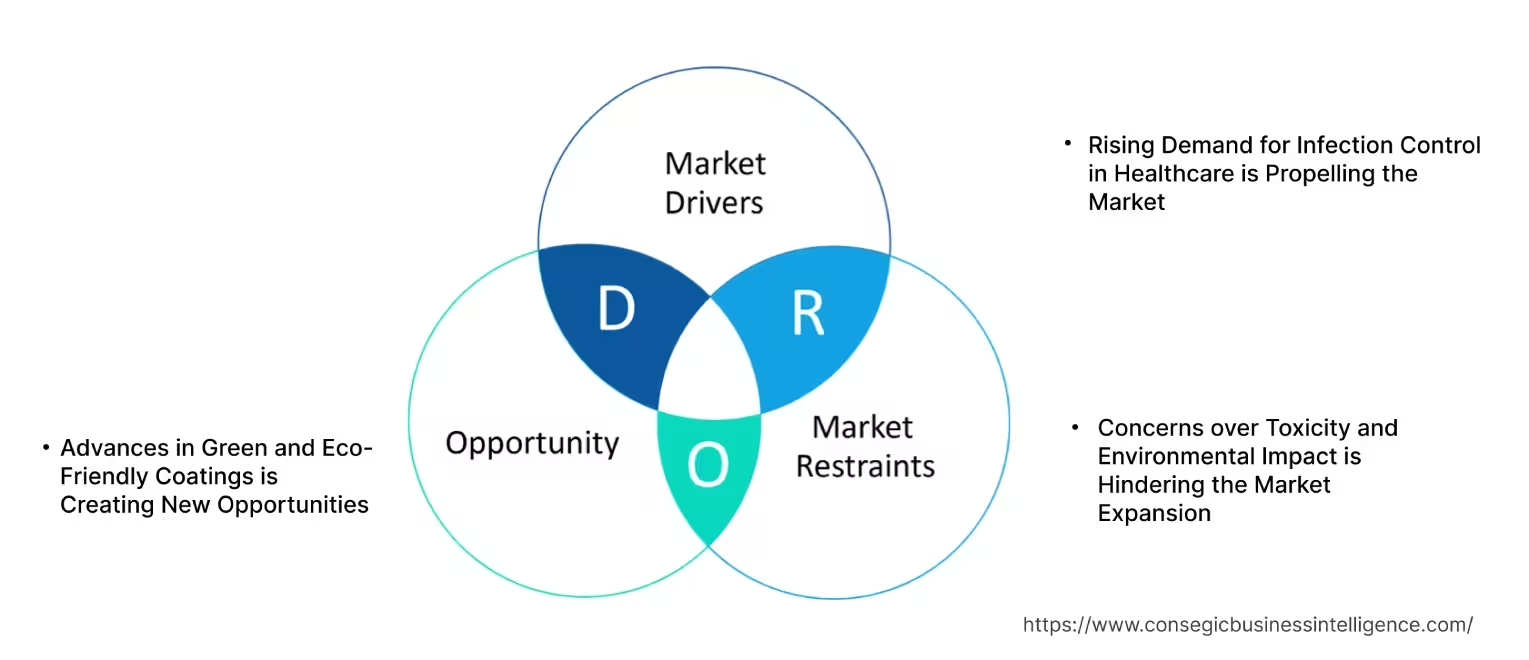
Rising Demand for Infection Control in Healthcare is Propelling the Market
Healthcare-associated infections (HAI) are a significant concern in healthcare settings, leading to prolonged hospital stays, increased healthcare costs, and higher morbidity and mortality rates. The rising incidents of infections caused by antibiotic-resistant bacteria have heightened the need for effective infection control measures. Antimicrobial coatings on surfaces, medical devices, and equipment can significantly reduce the risk of HAIs, making them essential in modern healthcare practices. Advances in nanotechnology, silver-based coatings, and other novel materials are improving the efficacy of coatings, making them more attractive for use in healthcare settings. The ability to create coatings with targeted antimicrobial properties is driving their adoption in hospitals and healthcare facilities.
- In January 2024, as per BioCote , in the healthcare setting, where a sterile environment is critical, putting antimicrobial coatings on medical devices is a game changer. This technology is effective on a variety of surfaces, including walls, floors, doors, furniture, handles, and most importantly, medical equipment.
Therefore, as per the market trends analysis, as technology advances and new solutions emerge, the antimicrobial coatings market growth is expected to continue, supported by the healthcare sector's ongoing commitment to infection prevention and safety.
Key Restraints :
Concerns over Toxicity and Environmental Impact is Hindering the Market Expansion
Antimicrobial coatings contain chemicals, such as silver nanoparticles, triclosan, and quaternary ammonium compounds (QACs), which have raised concerns about their potential toxicity to humans and animals. Long-term exposure to these chemicals, particularly in healthcare environments and consumer products, has led to questions about safety, silver-based coatings, while effective, have been criticized for their potential to cause skin irritation, organ damage, and other health issues if not properly regulated. Many coatings rely on biocides to inhibit microbial growth. However, these biocides pose environmental risks, especially when they leach into soil and water systems during manufacturing, application, or product disposal.
Therefore, the analysis of market trends shows that while concerns over toxicity and environmental impact pose challenges for the antimicrobial coatings market opportunities, they also create an opportunity for innovation and the development of safer, more sustainable alternatives.
Future Opportunities :
Advances in Green and Eco-Friendly Coatings is Creating New Opportunities
There is a rising interest in bio-based coatings derived from natural sources such as plant extracts, chitosan, and essential oils. These materials not only provide antimicrobial properties but also offer a reduced environmental footprint compared to traditional chemical-based coatings. The development of these bio-based solutions presents significant opportunities for manufacturers looking to meet the growing need for sustainable products. Nanosilver, nanoparticle-based systems, and other nanomaterials will enhance the antimicrobial efficacy while minimizing the use of harmful chemicals. As research in this area progresses, there will be increased opportunities to develop innovative coatings with enhanced performance and lower environmental impact.
- Released in July 2024, Elementis the latest NiSAT technology-based products, are renowned for being VOC-, Isothiazoline, Tin-, and APEO-free, gaining an added sustainability advantage from this shift. This strategic endeavor is intended to provide performance and environmentally friendly antimicrobial coatings to the Chinese architectural market and beyond.
Therefore, market trends analysis depicts that the future of antimicrobial coatings will likely be defined by advancements in technology, a commitment to sustainability, and collaboration across industries, paving the way for a cleaner, healthier, and more sustainable future.
Antimicrobial Coatings Market Segmental Analysis :
By Type:
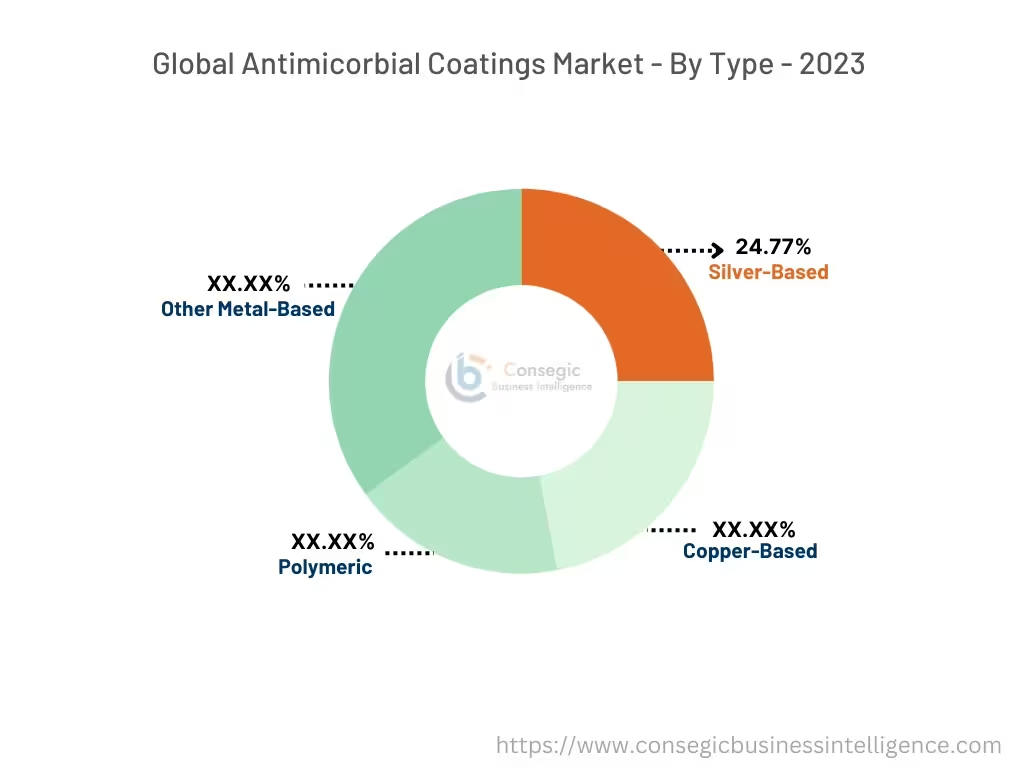
Based on type the market is segmented into Silver-based, Copper-based, Polymeric, and Other Metal-based.
Trends in the Type:
- Silver coatings are applied in fabrics and textiles, such as in hospital linens, athletic wear, and home furnishings, to prevent bacterial growth and odor.
- Polymeric coatings are engineered to have antimicrobial properties using organic or inorganic agents, reducing the reliance on expensive metals.
The silver-based antimicrobial coatings accounted for a revenue share of 24.77% in 2023.
- Silver- based coatings are widely used in healthcare, food processing, textiles, and consumer products. In healthcare, they are popular for medical devices, surgical instruments, and hospital surfaces due to their reliable antimicrobial properties.
- They are known for their durability, offering long-term protection against microbial growth, which makes them highly desirable for high-touch surfaces in environments like hospitals, public transportation, and commercial buildings.
- The heightened focus on infection control during the COVID-19 pandemic boosted the adoption of antimicrobial surfaces, particularly those with silver-based solutions, further increasing their market stake.
- For instance, CD Bioparticles DiagNano is a product that is a colorless and transparent nano silver dispersion liquid with excellent long-term antibacterial, anti-yellowing, and non-tolerance qualities. It can be incorporated into a variety of materials to create antibacterial products, and its pH can be modified to be acidic, neutral, or alkaline to fulfill the needs of clients.
- Thus, as per the segmental analysis, silver's proven antimicrobial efficacy, durability, and wide range of applications, silver-based coatings are driving the antimicrobial coatings market growth.
The polymeric antimicrobial coatings segment is anticipated to register the fastest CAGR during the forecast period.
- Polymeric coatings are applied to a wider range of surfaces, including metals, plastics, ceramics, and fabrics. This versatility makes them suitable for use in diverse industries such as healthcare, construction, automotive, and consumer goods.
- Compared to metal-based coatings, polymeric coatings are often more affordable to produce. They are tailored with specific properties for different applications including controlled release of antimicrobial agents and enhanced adhesion.
- The adoption of biocompatible and long-lasting antimicrobial protection in hospitals is a significant driver.
- Thus, the polymeric antimicrobial coatings segment is expected to experience the fastest progression due to its flexibility, cost-effectiveness, and ability to meet the demands of various industries, boosting the antimicrobial coatings market demand.
By Form:
Based on form the market is bifurcated into Liquid and Powder.
Trends in the Form:
- Liquid coatings are applied to building materials like walls, ceilings, and HVAC systems to prevent mold and bacterial growth in residential, commercial, and industrial spaces.
The liquid application accounted for the largest revenue of the total antimicrobial coatings market share in 2023.
- Liquid antimicrobial coatings are used in a variety of sectors, including healthcare, food processing, construction, and consumer products. They are applied to surfaces like medical equipment, building materials, and public touchpoints, making them highly adaptable.
- They are widely used in food processing plants to protect surfaces from microbial contamination, ensuring food safety and reducing spoilage. They also help in maintaining hygienic standards.
- They are increasingly used in consumer products like touchscreens, home appliances, and textiles to provide long-lasting antimicrobial protection.
- For instance, according to UNICHEM end-use industries prefer liquid antimicrobial coatings due to the numerous features and benefits as its highly consistent and give a high-quality finish. In comparison to powder coatings, liquid coatings give higher corrosion protection and a more uniform finish.
- Thus, liquid coatings are expected to maintain a dominant position in the market due to their broad applicability, ease of use, and cost efficiency, driving the antimicrobial coatings market demand.
The powder segment is anticipated to register the fastest CAGR during the forecast period.
- Powder coatings are highly resistant to wear, corrosion, moisture, and chemical exposure, making them ideal for industrial and outdoor applications where durability is essential.
- The consumer goods sector is increasingly adopting powder coatings for products like refrigerators, washing machines, and other home appliances to enhance durability and provide antimicrobial protection.
- For instance, Rapid Coat's R-Series has three types of powders, allowing architects to select the most appropriate powder based on budget, application, and durability needs. All three varieties can be customized to have different colors, gloss levels, textures, and metallic effects.
- Thus, the segmental analysis shows that as industries seek more sustainable and long-lasting antimicrobial solutions, powder coatings have increasingly been favored for driving antimicrobial coatings market trends.
By End-User Industry:
Based on the end-user industry the market is segmented into Healthcare, Construction, Food & Beverage, Textile, Transportation, Consumer Goods, and Others.
Trends in the End-User Industry:
- Antimicrobial coatings are integrated into wound dressings and bandages to prevent infections in open wounds and improve healing outcomes.
The healthcare application accounted for the largest revenue of the overall antimicrobial coatings market share in the year 2023.
- The ongoing threat of hospital-acquired infections has increased the use of antimicrobial coatings on surfaces, medical devices, and equipment has become essential in minimizing the spread of pathogens like bacteria, viruses, and fungi.
- They help to reduce the risk of infections associated with medical devices including surgical tools, catheters, and implants. As the need for safe and sterile medical equipment grows, the adoption of coatings has increased significantly.
- For instance, BioCote antimicrobial coatings offer long-lasting and self-contained microbial control. BioCote technology has been shown in studies to inhibit microorganisms by up to 99.9% in healthcare settings.
- Thus, the increasing use of antimicrobial coatings in medical devices, hospital surfaces, and infrastructure has sustained this segment's leadership with a continuous rise in revenue share.
The construction segment is anticipated to register the fastest CAGR during the forecast period.
- Rapid urbanization and the ongoing construction boom, particularly in emerging markets are driving the demand for coatings in new buildings and infrastructural projects.
- New developments in coating technologies such as the use of nanotechnology and more advanced antimicrobial agents have led to more effective and long-lasting coatings.
- Antimicrobial coatings are used on walls, floors, and fixtures in homes and office buildings to reduce bacterial growth and improve indoor air quality.
- For instance, Endura offers a wide range of coating solutions for the most complex difficulties related to wear, friction, corrosion, and sticking in Industrial Manufacturing & Automation Equipment.
- Thus, the construction segment is poised to register the fastest progress as both residential and commercial builders seek to incorporate antimicrobial protection into their designs, boosting the antimicrobial coatings market trends.
Regional Analysis:
The regions covered are North America, Europe, Asia Pacific, the Middle East and Africa, and Latin America.
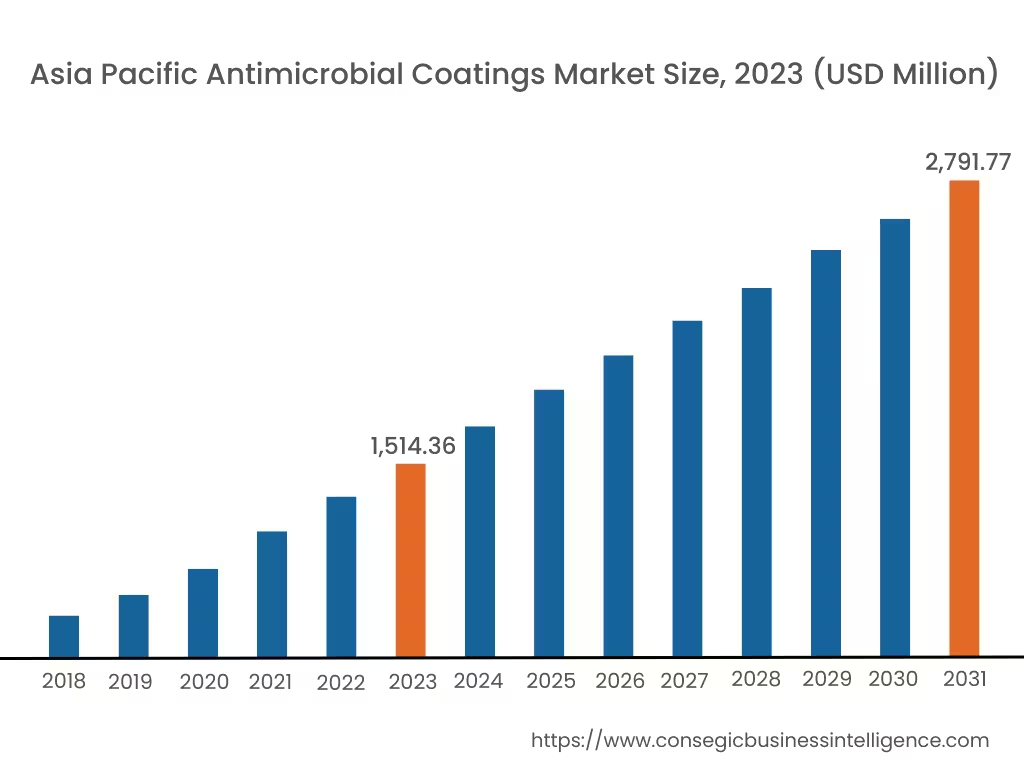
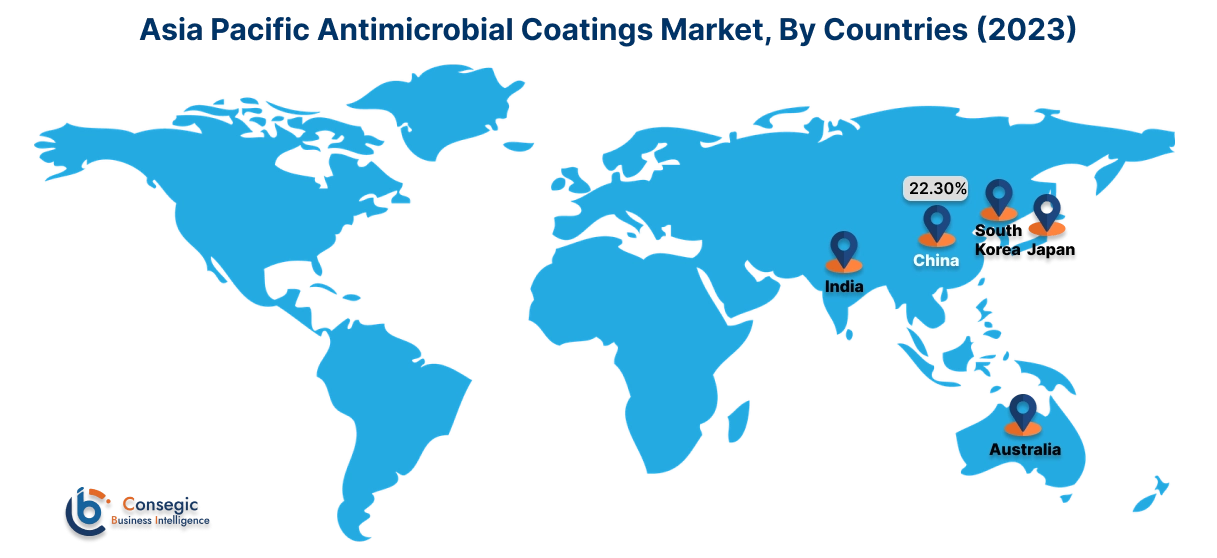
In 2023, Asia Pacific accounted for the highest market share at 31.10% and was valued at USD 1,514.36 Million, and is expected to reach USD 2,791.77 Million in 2031. In Asia Pacific, China accounted for the highest market share of 22.30% during the base year of 2023. As per the antimicrobial coatings market analysis, the Asia Pacific region is experiencing fast-paced urbanization and infrastructure expansion, particularly in countries like China, India, and Southeast Asia nations. With the construction boom in residential, commercial, and public infrastructure, there is a growing adoption of coatings to enhance the durability and hygiene of buildings and public spaces.
- In 2024, Ever Coatings products include epoxy powder coating, polyester powder coating, epoxy/polyester powder coating, decorative powder coating, polyurethane powder coating, anti-corrosion powder coating, and transfer printing base color. The goods include no solvents or pollutants; they are easy to transport and appropriate for electrostatic spraying and automatic pipelining.
North America is expected to witness the fastest CAGR over the forecast period of 9.3% during 2024-2031. North America, particularly the US and Canada has a highly developed healthcare sector, which is one of the largest consumers of coatings. The growing focus on patient safety and infection control in hospitals, clinics, and healthcare facilities is a major factor driving the antimicrobial coatings market expansion in this region.
Europe's focus on sustainability, stringent hygiene regulations, and technological advancements contribute significantly to the region's strong position in the market. The Middle East and Africa region has seen a significant increase in healthcare expenditure, particularly in countries like the United Arab Emirates (UAE), Saudi Arabia, and South Africa. As governments invest in expanding healthcare infrastructure, there is a rising demand for coatings to enhance hygiene and infection control in hospitals and clinics. The antimicrobial coatings market analysis shows that in Latin America governments and private organizations are investing more in healthcare infrastructure and services. Countries such as Brazil, Mexico, and Argentina are expanding their healthcare facilities, leading to a higher demand for coatings in hospitals and clinics to ensure safer environments for patients.
Top Key Players & Market Share Insights:
The antimicrobial coatings market is highly competitive with major players providing products to the national and international markets. Key players are adopting several strategies in research and development (R&D), product innovation, and end-user launches to hold a strong position in the global antimicrobial coatings market. Key players in the antimicrobial coatings industry include-
- AkzoNobel N.V. (Netherlands)
- PPG Industries, Inc. (USA)
- The Sherwin-Williams Company (USA)
- Axalta Coating Systems (USA)
- RPM International Inc. (USA)
- BASF SE (Germany)
- DuPont de Nemours, Inc. (USA)
- Lonza Group AG (Switzerland)
- Sciessent LLC (USA)
- Sono-Tek Corporation (USA)
Recent Industry Developments :
Product Launch:
- In June 2024, NEI Corporation introduced NANOMYTE AM-100EC, a novel micron-thick coating that imparts easy-to-clean and antibacterial qualities to a variety of surfaces. The coating adheres well to a variety of materials widely used in high-touch applications, including plastics, metals, and ceramics.
Product Expansion:
- In July 2024, Elementis, a leading provider of specialized chemicals for paint, coatings, and industrial aqueous applications, announced a significant advance for the coatings industry: the expansion of NiSAT (Non-Ionic Synthetic Associative Thickeners) technology manufacturing in China.
Antimicrobial Coatings Market Report Insights :
| Report Attributes | Report Details |
| Study Timeline | 2021-2034 |
| Market Size in 2034 | USD 11,226.22 Million |
| CAGR (2026-2034) | 8.70% |
| Base Year | 2025 |
| By Type |
|
| By Form |
|
| By End-User Industry |
|
| By Region |
|
| Key Players |
|
| North America | U.S. Canada Mexico |
| Europe | U.K. Germany France Spain Italy Russia Benelux Rest of Europe |
| APAC | China South Korea Japan India Australia ASEAN Rest of Asia-Pacific |
| Middle East and Africa | GCC Turkey South Africa Rest of MEA |
| LATAM | Brazil Argentina Chile Rest of LATAM |
| Report Coverage |
|
Key Questions Answered in the Report
How big is the Antimicrobial Coatings Market? −
The Antimicrobial Coatings Market size is estimated to reach over USD 8,740.67 Million by 2031 from a value of USD 4,869.33 Million in 2023, growing at a CAGR of 8.7% from 2024 to 2031.
What specific segmentation details are covered in the antimicrobial coatings market report? +
The specific segmentation details that are covered in the antimicrobial coatings market are and end-user industry.
What is the key market trend? +
The key market trend is that polymeric coatings are engineered to have antimicrobial properties using organic or inorganic agents, reducing the reliance on expensive metals.
Who are the major players in the antimicrobial coatings market? +
The major players in the antimicrobial coatings market are AkzoNobel N.V. (Netherlands), PPG Industries, Inc. (USA), BASF SE (Germany), The Sherwin-Williams Company (USA), Axalta Coating Systems (USA), RPM International Inc. (USA), DuPont de Nemours, Inc. (USA), Lonza Group AG (Switzerland), Sciessent LLC (USA), and Sono-Tek Corporation (USA)
Which region will lead the global antimicrobial coatings market? +
North America will lead the global antimicrobial coatings market.
Overview
Reputation & Certifications


Our Services
- Market Intelligence & Forecasting
- Custom Research Solutions
- Market Entry Strategy
- Competitive Intelligence
- Customer Insights
- Industry Innovation Analysis
- Investment Advisory