Jump to Content
Granulocyte-Macrophage Colony-Stimulating Factor Market - Size, Share, Industry Trends, and Forecasts (2025-2032)
Granulocyte-Macrophage Colony-Stimulating Factor Market Size:
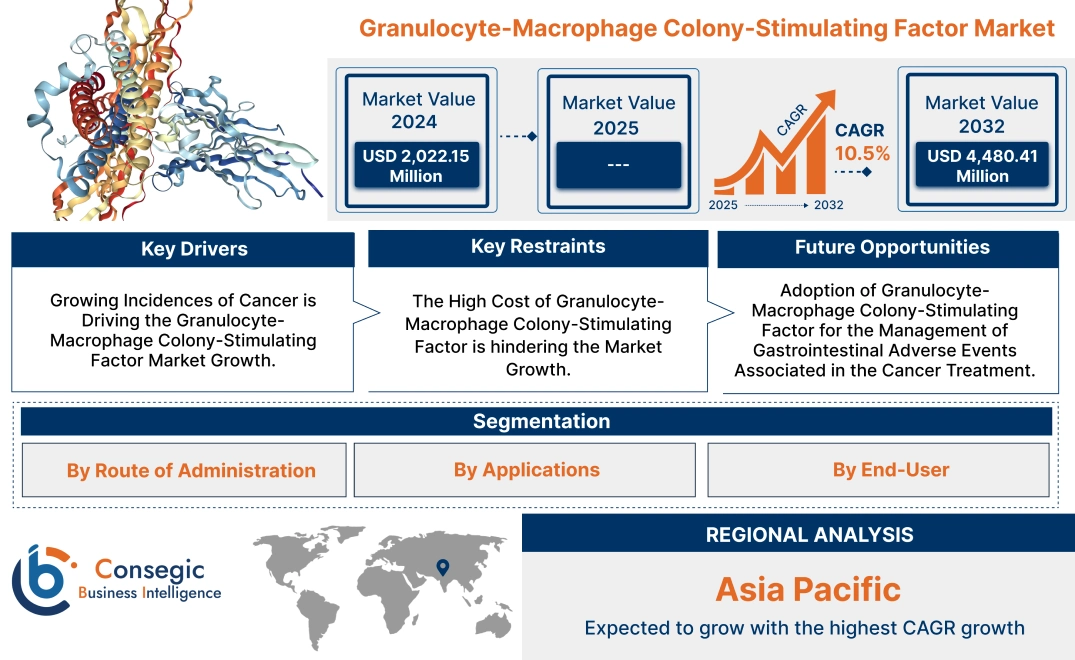
Granulocyte-Macrophage Colony-Stimulating Factor Market size is growing with a CAGR of 10.5% during the forecast period (2025-2032), and the market is projected to be valued at USD 4,480.41 Million by 2032 from USD 2,022.15 Million in 2024.
Granulocyte-Macrophage Colony-Stimulating Factor Market Scope & Overview:
Granulocyte-Macrophage Colony-Stimulating Factor (GM-CSF) is a cytokine that functions as a hematopoietic growth factor and immune modulator. It is a glycoprotein secreted by various cells, including macrophages, T cells, and endothelial cells. This glycoprotein stimulates the production of white blood cells particularly granulocytes, macrophages, and cells that become platelets. It acts on bone marrow stem cells, prompting their differentiation into these cell types. Furthermore, it activates white blood cells, improving their ability to fight infections. This glycoprotein also plays a role in regulating inflammation by attracting white blood cells to sites of infection or injury. Clinically, it finds application in various conditions, including stimulating bone marrow recovery after chemotherapy, bone marrow transplantation, treating severe sepsis, and managing congenital neutropenia.
How AI is Impacting the Granulocyte-Macrophage Colony-Stimulating Factor (GM-CSF) Market?
AI is significantly impacting the Granulocyte-Macrophage Colony-Stimulating Factor (GM-CSF) market by accelerating drug discovery, optimizing clinical trials, and enhancing personalized medicine. AI algorithms analyze vast biological datasets to identify potential new therapeutic targets and predict drug-target interactions, streamlining the development of novel GM-CSF therapies. Furthermore, AI improves patient selection for clinical trials and monitors real-time adverse effects, making trials more efficient and cost-effective. By enabling more precise diagnostics and personalized treatment strategies for conditions like neutropenia and certain cancers, AI is driving innovation and expanding the therapeutic applications of GM-CSF, ultimately improving patient outcomes.
Granulocyte-Macrophage Colony-Stimulating Factor Market Dynamics - (DRO) :
Key Drivers:
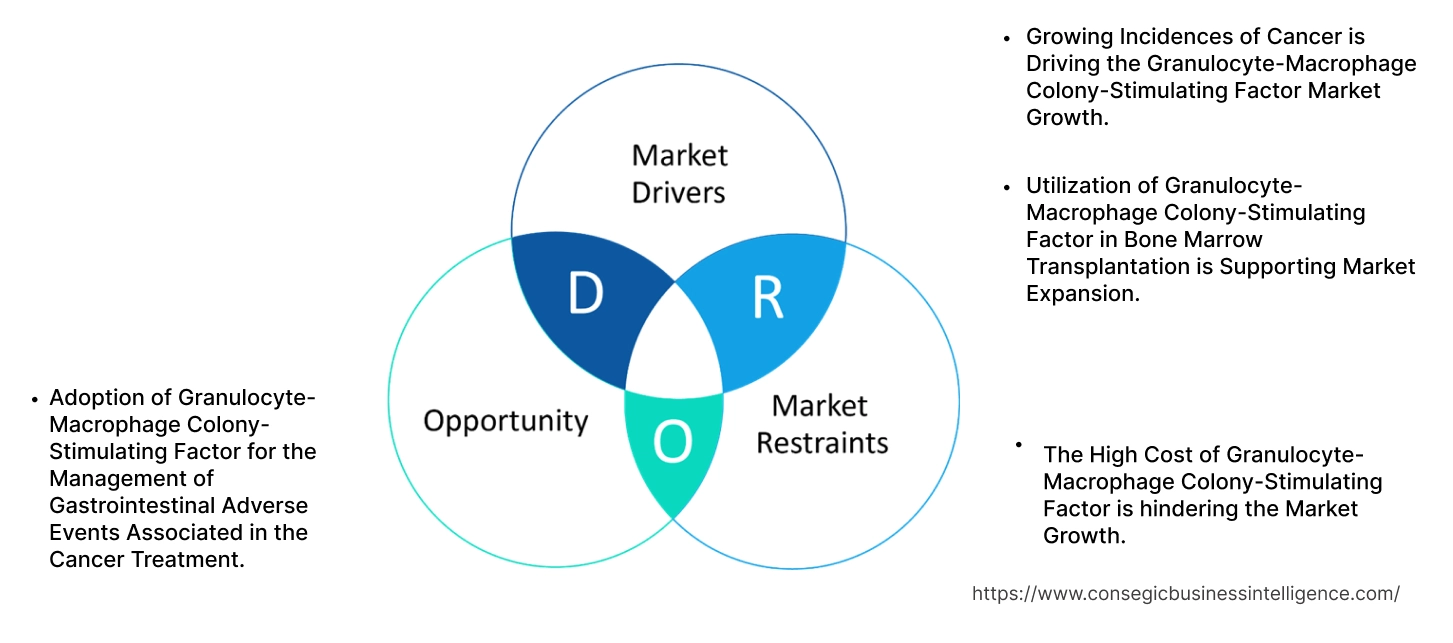
Growing Incidences of Cancer is Driving the Granulocyte-Macrophage Colony-Stimulating Factor Market Growth.
Cancer is a group of diseases characterized by the uncontrolled growth and spread of abnormal cells within the body. Cancer arises from the transformation of normal cells into tumor cells through a multi-stage process. This transformation is influenced by an interplay between genetic factors and external agents, including physical chemical, and biological carcinogens. The risk of cancer increases with age due to the accumulation of risks and declining cellular repair mechanisms. Key risk factors include tobacco use, alcohol consumption, unhealthy diets, physical inactivity, and air pollution. Certain infections, such as those caused by HPV and hepatitis viruses, also significantly increase the risk of developing specific cancers. Rising incidences of cancers drive the demand for highly effective treatment solutions.
- For instance, according to the analysis provided by the World Health Organization in 2022, cancer is a leading cause of death worldwide, accounting for nearly 10 million deaths in 2020, or nearly one in six deaths. The most common cancers are breast, lung, colon, rectum, and prostate cancers. Cancer-causing infections, such as human papillomavirus (HPV) and hepatitis, are responsible for approximately 30% of cancer cases in low- and lower-middle-income countries.
Many cancer treatments, particularly chemotherapy, target rapidly dividing cells, including cancer cells, but also damage healthy cells in the bone marrow, leading to neutropenia, a decrease in white blood cell count. Neutropenia significantly increases the risk of severe infections as white blood cells are crucial for fighting infections. Granulocyte-macrophage colony-stimulating factor stimulates the bone marrow to produce more white blood cells, helping patients recover from chemotherapy-induced myelosuppression and reducing infection risk. Thus, as cancer incidence rises globally, the need for chemotherapy increases, consequently driving a higher demand for support to manage treatment side effects and improve patient outcomes.
Utilization of Granulocyte-Macrophage Colony-Stimulating Factor in Bone Marrow Transplantation is Supporting Market Expansion.
A bone marrow transplant (BMT) is a procedure that replaces unhealthy bone marrow with healthy stem cells. BMT, including autologous and allogeneic, is a critical treatment for various blood disorders such as leukemia. BMT procedures often have significant side effects, including myelosuppression, where the bone marrow's ability to produce blood cells including white blood cells is severely suppressed. Granulocyte-macrophage colony-stimulating factor plays a crucial role in supporting bone marrow recovery after BMT. It stimulates the production of white blood cells, particularly neutrophils, which are essential for fighting infections. By accelerating the recovery of bone marrow function, it helps to reduce the duration of neutropenia, a period of severely low white blood cell counts, decrease the risk of serious infections, shorten the duration of hospitalization, and ultimately improve overall patient outcomes. Additionally, the growing cases of bone marrow transplantation create the need for substances supporting bone marrow recovery.
- For instance, according to the research study published on NCBI in 2022, it is stated that there were 31,525 autologous and allogeneic hematopoietic stem cell transplants in 2021 across China, with 42% of patients being female and 58% male. This highlights the significant volume of hematopoietic stem cell transplantations occurring in China, emphasizing the critical role of supportive therapies like granulocyte-macrophage colony-stimulating factor in this patient population.
Overall, bone marrow transplantation relies on granulocyte-macrophage colony-stimulating factor to accelerate recovery and improve patient outcomes. This critical role is supporting granulocyte-macrophage colony-stimulating factor market growth.
Key Restraints:
The High Cost of Granulocyte-Macrophage Colony-Stimulating Factor is hindering the Market Growth.
The development of any new medication is a lengthy and expensive process, involving significant investments in research, clinical trials, and regulatory approvals. Manufacturing biologics like granulocyte-macrophage colony-stimulating factor also requires complex and specialized processes, such as cell culture and purification techniques, which become costly and time-consuming. Furthermore, pharmaceutical companies that develop and market this cytokine often hold intellectual property rights that grant them exclusive rights to manufacture and sell the drug for a certain period, allowing them to set higher prices.
This cost places a substantial financial burden on patients and their families, potentially leading to treatment delays or interruptions. High drug costs also strain healthcare systems, particularly in countries with limited budgets, hindering equitable access to this essential medication. Furthermore, high drug costs discourage research and development efforts into new formulations or alternative therapies, potentially hindering future advancements. Thus, the high cost of treatment poses a significant constraint to market growth.
Future Opportunities :
Adoption of Granulocyte-Macrophage Colony-Stimulating Factor for the Management of Gastrointestinal Adverse Events Associated in the Cancer Treatment.
Cancer treatments, particularly chemotherapy and radiotherapy, cause severe gastrointestinal adverse events (GAEs) such as inflammation and ulceration of the mouth and gastrointestinal tract, also known as mucositis, diarrhea, and nausea and vomiting. These side effects significantly impact a patient's quality of life, nutrition, and overall well-being. Granulocyte-macrophage colony-stimulating factor have a role in mitigating the severity and duration of these GAEs. It stimulates the production of white blood cells, including macrophages, which play a crucial role in tissue repair and wound healing. By supporting the body's natural repair mechanisms, it helps to accelerate the healing of mucosal damage caused by chemotherapy or radiation. Hence, owing to the considerable potential of granulocyte-macrophage colony-stimulating factor for the management of GAEs it is accelerating the market.
- For instance, in April 2024, Partner Therapeutics, Inc., an integrated biotechnology company working on the treatment of cancer and other serious diseases, announced the publication of data regarding the use of Leukine which is yeast-derived recombinant human granulocyte-macrophage colony-stimulating factor to manage gastrointestinal immune-related adverse events for patients taking immune checkpoint inhibitors (ICIs) for the treatment of cancer.
Overall, as per market analysis, the growing emphasis on granulocyte-macrophage colony-stimulating factor for managing gastrointestinal adverse events associated with cancer treatments, particularly in the context of immune checkpoint inhibitor therapies, presents significant granulocyte-macrophage colony-stimulating factor market opportunities.
Granulocyte-Macrophage Colony-Stimulating Factor Market Segmental Analysis :
By Route of Administration:
Based on the route of administration, the market is bifurcated into subcutaneous and intravenous.
Trends in the route of administration:
- Research and development efforts are focused on developing long-acting subcutaneous formulations of granulocyte-macrophage colony-stimulating factor.
The subcutaneous segment accounted for the largest market share in 2024.
- Subcutaneous injections are used to administer medications between skin and muscle. This allows medication to be absorbed slowly over a longer period of time.
- Subcutaneous injection is the most common and preferred route of administration for granulocyte-macrophage colony-stimulating factor. This method offers several advantages, including the convenience of self-administration at home, which significantly improves patient compliance.
- Furthermore, subcutaneous injections minimize the risk of infection associated with intravenous access, a crucial factor in patient safety.
- Importantly, studies have demonstrated that subcutaneous administration of granulocyte-macrophage colony-stimulating factor exhibits comparable efficacy to intravenous administration in many clinical settings, making it a viable and preferred option for most patients.
- For instance, according to the research study published in the Journal BMC, it is found the subcutaneous administration of granulocyte-macrophage colony-stimulating factor serves as an effective route of administration option for the management of pulmonary alveolar proteinosis.
- Subcutaneous injections offer several advantages for the administration of glycoprotein, including convenience, reduced infection risk, and comparable efficacy to intravenous routes. This is supported by research demonstrating its effectiveness in managing conditions like pulmonary alveolar proteinosis, making it a preferred option for many patients.
The intravenous segment is expected to grow at the fastest CAGR over the forecast period.
- The intravenous method of administration involves injecting drugs directly into the systemic venous circulation.
- The intravenous route of administration improves the bioavailability of granulocyte-macrophage colony-stimulating factor. Additionally, intravenous infusion allows for rapid achievement of higher peak serum concentrations of this cytokine compared to subcutaneous administration. This is crucial in critical care settings where a rapid therapeutic response is required.
- Conditions such as severe sepsis benefit from the rapid onset of action achieved through IV administration. Hence, intravenous infusion is primarily used in specific cases, such as the management of severe sepsis where rapid onset of action is critical.
- Overall, as per analysis, the intravenous route of administration offers rapid bioavailability and higher peak serum concentrations, creating a segment trajectory in the upcoming years.
By Application:
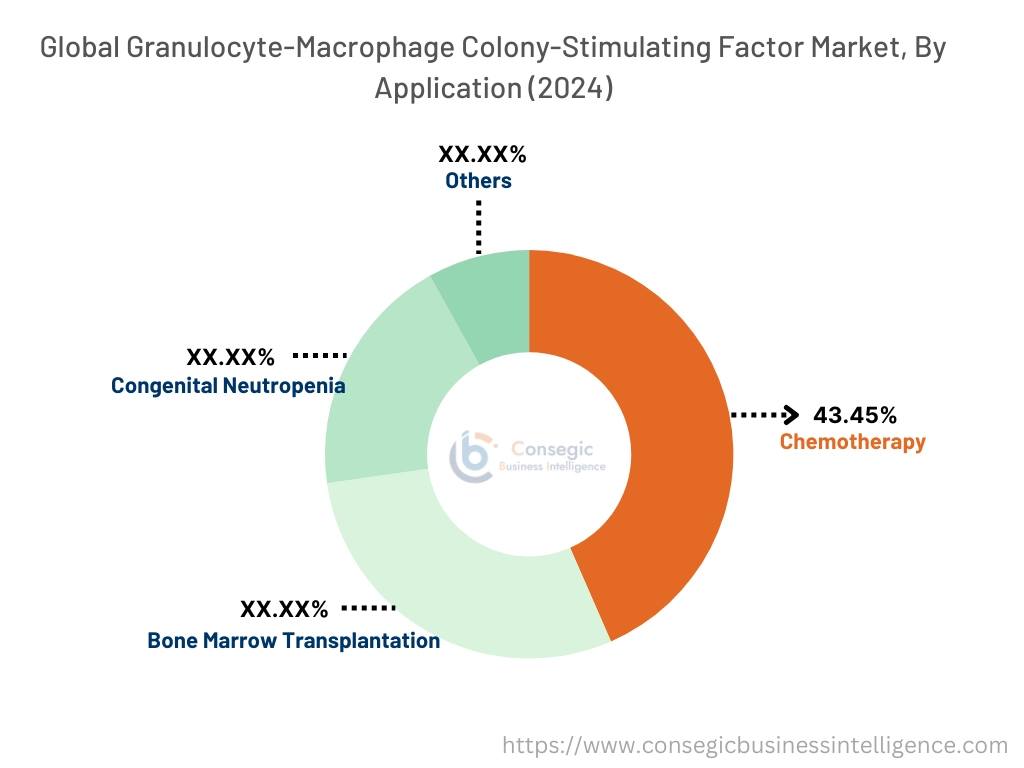
Based on application, the market is categorized into chemotherapy, bone marrow transplantation, congenital neutropenia, and others.
Trends in application:
- Bone marrow transplantation is increasingly used for a wider range of hematological malignancies and other conditions fuelling a rise in the use of granulocyte-macrophage colony-stimulating factor to support bone marrow recovery.
- GM-CSF is being investigated for its potential use in various immunotherapy approaches, such as dendritic cell vaccines for cancer.
The chemotherapy segment accounted for the largest market share of 43.45% in the year 2024.
- Chemotherapy represents the largest and most significant application area within the overall market. Chemotherapy drugs often suppress bone marrow function, leading to a significant decrease in white blood cell production, a condition known as neutropenia.
- This significantly increases the risk of severe infections for cancer patients. Granulocyte-macrophage colony-stimulating factor stimulates the bone marrow to produce more white blood cells, particularly neutrophils, aiding in recovery from chemotherapy-induced myelosuppression.
- Several factors drive the trajectory of this segment, including the rising incidence of various cancer types worldwide, the development of more potent chemotherapy regimens that often increase the risk of myelosuppression, and the aging population's increased susceptibility to cancer.
- For instance, according to the data published in the Journal Frontiers in Oncology in July 2022, it is stated that Leukaemia accounted for approximately 2.5% of all new cancer incidence and 3.1% of cancer-related mortality across the globe in the year 2020. This significant incidence of leukemia highlights the requirement for granulocyte-macrophage colony-stimulating factor as it plays a significant role in the treatment of leukemia by supporting bone marrow recovery after chemotherapy.
- Overall, the aforementioned analysis supports the segment trajectory in the overall granulocyte-macrophage colony-stimulating factor market expansion.
The bone marrow transplantation segment is expected to grow at the fastest CAGR over the forecast period.
- Granulocyte-macrophage colony-stimulating factor plays a crucial role in supporting bone marrow recovery after both autologous and allogeneic bone marrow transplantation. These procedures often result in significant myelosuppression, severely compromising the immune system and increasing infection risk.
- GM-CSF stimulates the bone marrow to rapidly produce new white blood cells, aiding in the engraftment of the transplanted bone marrow and accelerating the recovery of immune function.
- Several factors drive the trajectory of this segment. Advancements in transplantation techniques, such as reduced-intensity conditioning regimens, expand the patient availability eligible for these procedures, increasing the need for supportive therapies like GM-CSF.
- Moreover, this cytokine has demonstrated improved engraftment rates and reduced neutropenia duration, leading to better patient outcomes and shorter hospital stays.
- Furthermore, growing awareness among physicians and patients regarding the benefits of this cytokine in supporting bone marrow recovery after transplantation is driving its increased use in this setting. Collectively aforementioned factors support the segment trajectory in the overall granulocyte-macrophage colony-stimulating factor market expansion.
By End User:
Based on end user, the market is categorized into hospitals, oncology centers, research and development centers, and others.
Trends in the End User:
- The use of granulocyte-macrophage colony-stimulating factor in combination with other therapies, such as immunotherapy and targeted therapies.
- R&D centers are developing innovative granulocyte-macrophage colony-stimulating factor This includes exploring long-acting versions and targeted delivery systems aimed at improving treatment efficacy, minimizing side effects, and enhancing patient convenience.
The hospitals segment accounted for the largest market share in the year 2024.
- Hospitals constitute the largest end-user segment of the market. As primary healthcare providers, hospitals treat a wide range of conditions where the granulocyte-macrophage colony-stimulating factor is utilized, including cancer treatment, management of infectious diseases, and the treatment of congenital neutropenia among others.
- Its usage within hospitals is influenced by its adoption in large, tertiary care hospitals with specialized departments including oncology, hematology, and transplant centers typically having higher usage due to a greater volume of patients requiring these therapies.
- Key market drivers within hospitals include the increasing prevalence of chronic diseases like cancer, advancements in medical technology such as improved cancer treatments and transplantation techniques, and the aging population's increased susceptibility to diseases requiring granulocyte-macrophage colony-stimulating factor-based therapy. These factors support the segment trajectory in the overall granulocyte-macrophage colony-stimulating factor market demand.
The research and development centers segment is expected to grow at the fastest CAGR over the forecast period.
- Research and Development centers play a pivotal role in the market driving innovation and advancement in the field through a multifaceted approach.
- Key functions of R&D centers for the adoption of this growth factor include conducting clinical trials to investigate GM-CSF's efficacy and safety in diverse applications. This involves exploring novel indications such as sepsis, fungal infections, and immunotherapy, developing new formulations like long-acting or targeted delivery systems, and investigating combination therapies with other treatments to enhance outcomes.
- Furthermore, R&D centers conduct fundamental research on the biology of this cytokine, its mechanisms of action, and its interactions within the immune system. This research provides a crucial foundation for the development of new therapies and improved treatment strategies.
- Additionally, the development of specialized research centers focusing on cancer treatment is expected to support segment trajectory.
- For instance, in November 2024, the University of Texas MD Anderson Cancer Center announced the launch of the Institute for Cell Therapy Discovery and Innovation, a research center that will focus on immunology and cell engineering with the goal of creating new cancer treatments and autoimmune disease treatments. This creates opportunities for this research center to explore the development of new formulations, such as long-acting or targeted delivery systems, to improve efficacy and reduce side effects.
- Ultimately, as per analysis, the research conducted in R&D centers aims to improve the efficacy and safety of therapies, leading to better patient outcomes in the future of healthcare.
Regional Analysis:
The regional segment includes North America, Europe, Asia Pacific, the Middle East and Africa, and Latin America.
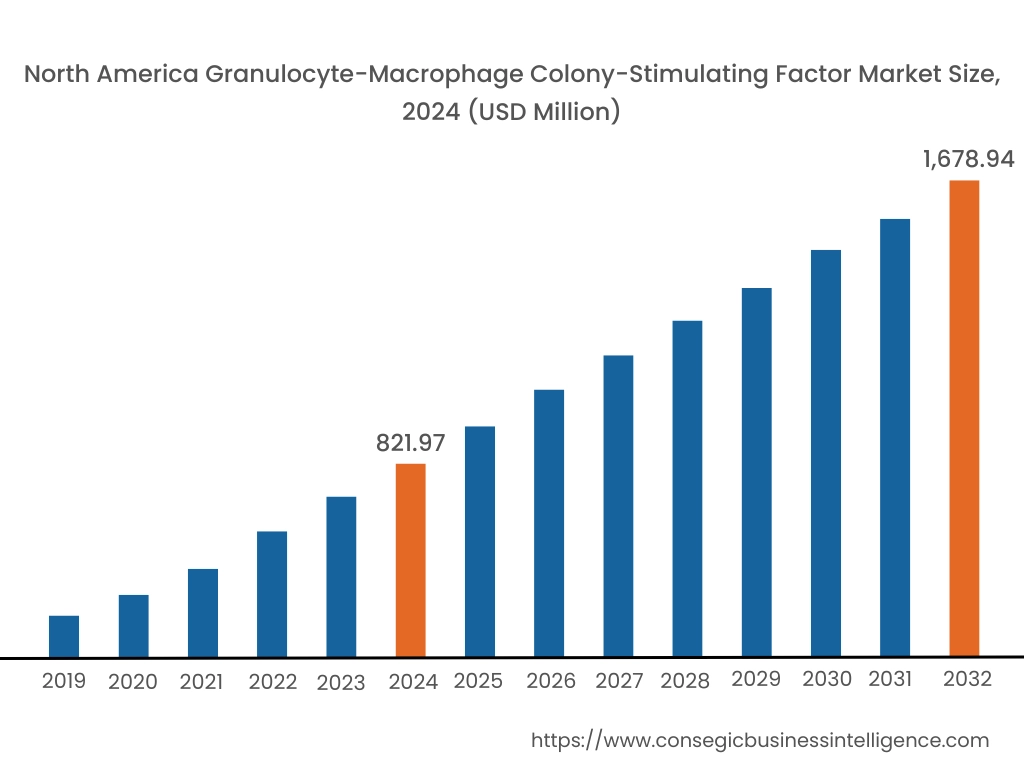
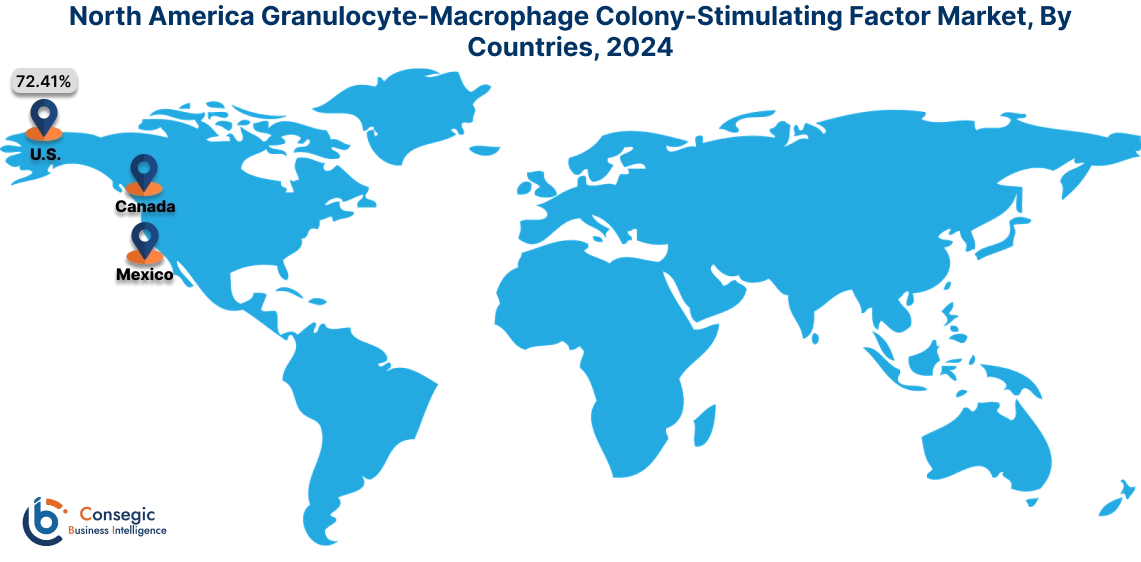
In 2024, North America accounted for the highest market share at 40.65% and was valued at USD 821.97 Million and is expected to reach USD 1,678.94 Million in 2032. In North America, the U.S. accounted for the highest market share of 72.41% during the base year of 2024. North America dominates the global granulocyte-macrophage colony-stimulating factor market share. The high incidence of various cancer types, such as breast cancer, lung cancer, and prostate cancer, in the US and Canada significantly drives the requirement for granulocyte-macrophage colony-stimulating factor, particularly for supporting bone marrow recovery after chemotherapy. Additionally, the region boasts a well-developed healthcare infrastructure with advanced medical facilities, experienced oncologists, and access to cutting-edge cancer treatments, including chemotherapy and bone marrow transplantation. Robust research and development activities in the pharmaceutical and biotechnology industries contribute to the development of novel formulations and therapies, further driving the market. Moreover, the US, in particular, has high healthcare expenditure coupled with favorable reimbursement policies, allowing for greater access to advanced therapies.
- For instance, according to the data published by the American Cancer Society Cancer Action Network in January 2024, it is stated that Over 1 million patients diagnosed with cancer rely on the Medicare program as their primary source of healthcare coverage. This improves access to the drugs used in the cancer treatments such as granulocyte-macrophage colony-stimulating factor.
Additionally, the presence of a large pharmaceutical industry in North America, with the presence of major companies significantly influences market dynamics. The combination of the aforementioned factors and trends is driving a substantial trajectory in the North American granulocyte-macrophage colony-stimulating factor trend.
Asia Pacific is experiencing the fastest growth with a CAGR of 12.4% over the forecast period. This granulocyte-macrophage colony-stimulating factor market share is driven by several key factors. The region is witnessing a significant rise in the incidence of various cancer types, due to factors like changing lifestyles, urbanization, and an aging population. Additionally, increasing healthcare expenditure across many countries in the region is improving access to advanced cancer treatments and supportive care therapies such as GM-CSF. Moreover, the rapid economic surge in many Asian countries is leading to improved healthcare infrastructure, increased access to healthcare services, and rising disposable incomes, all of which contribute to increased demand for this polyprotein. Furthermore, growing awareness among healthcare professionals and patients regarding the benefits of this cytokine in supporting cancer treatment and bone marrow recovery is driving its use in the region.
Europe presents a significant contribution to the granulocyte-macrophage colony-stimulating factor market analysis, driven by factors such as a well-developed healthcare system and a high prevalence of chronic diseases, particularly cancer. The high incidence of various cancers across Europe drives the demand for granulocyte-macrophage colony-stimulating factor to support bone marrow recovery after chemotherapy. Furthermore, Europe boasts a well-established healthcare system with advanced medical facilities, experienced oncologists, and access to cutting-edge cancer treatments, including chemotherapy and bone marrow transplantation. European countries are also at the forefront of medical research and development, with a strong emphasis on developing innovative therapies, including novel formulations of this cytokine. Moreover, there's a strong emphasis on cost-effectiveness and value-based healthcare in many European countries, which influences the use and reimbursement. Collectively these factors create a favorable environment for granulocyte-macrophage colony-stimulating factor market trend across Europe.
The Middle East and Africa (MEA) region is witnessing notable granulocyte-macrophage colony-stimulating factor market trends. The growing healthcare sector in the Middle East is playing a pivotal role in the market. Many countries in the MEA region are investing in developing their healthcare infrastructure with advanced treatment facilities. This includes building hospitals, and clinics and improving access to diagnostic tools and treatment. Additionally, the region is witnessing the development of research and development centers. In some parts of the region, infectious diseases remain a significant public health concern, and granulocyte-macrophage colony-stimulating factor have a role in managing severe infections. The combined impact of these factors is creating a favorable environment for the trajectory of the granulocyte-macrophage colony-stimulating factor market opportunities in the MEA region.
Latin America is an emerging region in the granulocyte-macrophage colony-stimulating factor market demand, with significant potential for innovation. The combination of the increasing prevalence of cancer, government support, and rising disposable income is driving the significant trajectory of the granulocyte-macrophage colony-stimulating factor demand in Latin America. The region encompasses a mix of public and private healthcare systems, with varying levels of access and affordability. This diversity impacts the availability and utilization of granulocyte-macrophage colony-stimulating factor. Growing awareness among healthcare professionals and patients regarding the benefits of this cytokine in supporting cancer treatment and bone marrow recovery is driving its use in the region. These factors collectively present a promising factor for healthcare providers and pharmaceutical industry manufacturers to develop and deliver innovative granulocyte-macrophage colony-stimulating factor solutions in Latin America.
Top Key Players and Market Share Insights:
The Granulocyte-Macrophage Colony-Stimulating Factor market is highly competitive with major players providing precise products to the national and international markets. Key players are adopting several strategies in research and development (R&D) and product innovation to hold a strong position in the global Granulocyte-Macrophage Colony-Stimulating Factor market. Key players in the Granulocyte-Macrophage Colony-Stimulating Factor industry include-
- Sanofi (France)
- Partner Therapeutics, Inc. (U.S.)
- Biocon Biologics Inc. (India)
- Amneal Pharmaceuticals LLC. (U.S.)
- Merck KGaA (Germany)
- Amgen Inc. (U.S.)
- Novartis AG (Switzerland)
Granulocyte-Macrophage Colony-Stimulating Factor Market Report Insights :
| Report Attributes | Report Details |
| Study Timeline | 2019-2032 |
| Market Size in 2032 | USD 4,480.41 Million |
| CAGR (2025-2032) | 10.5% |
| By Route of Administration |
|
| By Application |
|
| By End User |
|
| By Region |
|
| Key Players |
|
| North America | U.S. Canada Mexico |
| Europe | U.K. Germany France Spain Italy Russia Benelux Rest of Europe |
| APAC | China South Korea Japan India Australia ASEAN Rest of Asia-Pacific |
| Middle East and Africa | GCC Turkey South Africa Rest of MEA |
| LATAM | Brazil Argentina Chile Rest of LATAM |
| Report Coverage |
|
Key Questions Answered in the Report
How big is the Granulocyte-Macrophage Colony-Stimulating Factor market? −
In 2024, the Granulocyte-Macrophage Colony-Stimulating Factor market is USD 2,022.15 Million.
Which is the fastest-growing region in the Granulocyte-Macrophage Colony-Stimulating Factor market? +
Asia Pacific is the fastest-growing region in the Granulocyte-Macrophage Colony-Stimulating Factor market.
What specific segmentation details are covered in the Granulocyte-Macrophage Colony-Stimulating Factor market? +
Route of Administration, Application, and End User segmentation details are covered in the Granulocyte-Macrophage Colony-Stimulating Factor market.
Who are the major players in the Granulocyte-Macrophage Colony-Stimulating Factor market? +
Sanofi (France), Partner Therapeutics, Inc. (U.S.), and Amgen Inc. (U.S.) are some of the major players in the market.
Overview
Reputation & Certifications


Our Services
- Market Intelligence & Forecasting
- Custom Research Solutions
- Market Entry Strategy
- Competitive Intelligence
- Customer Insights
- Industry Innovation Analysis
- Investment Advisory