Jump to Content
Hypersomnia Market Size & Industry Share - Growth Trends & Forecasts (2026 - 2034)
Hypersomnia Market Size:
The Hypersomnia Market is expected to expand from 1,215.96 (US$M) in 2025 to 1,293.78 (US$M) in 2026, and is forecast to surpass 2,125.17 (US$M) by 2034, growing at a CAGR of 6.4% between 2026 and 2034, according to a recent report from Consegic Business Intelligence.
Hypersomnia Market Scope & Overview:
Hypersomnia is a disorder characterized by excessive sleepiness in the daytime. Individuals suffering from hypersomnia generally find it difficult during the day, have trouble staying awake, and eventually fall asleep at odd hours. It affects various aspects of life which include work, education, and social interactions. It often leads to impaired performance and increases the risk of accidents, especially during driving or handling machinery.
The symptoms generally include constant sleeping during the day, difficulty in waking up, restlessness, decreased energy levels, headaches, and loss of appetite. It is generally caused due to some neurological causes or other medical conditions such as depression, multiple sclerosis, nerve damage, tumors, or sleep apnea. The diagnostic tests done for the analysis generally include the Epworth sleepiness scale, multiple sleep latency test, and polysomnogram. The drugs administered for the treatment usually include modafinil which helps the patient to wake, pitolisant which is a stimulant drug prescribed to stay awake during the day, and sodium oxibate which is used in the treatment. The prevalence of drugs and approval of new drugs for treatment are influencing the market.
Hypersomnia Market Insights:

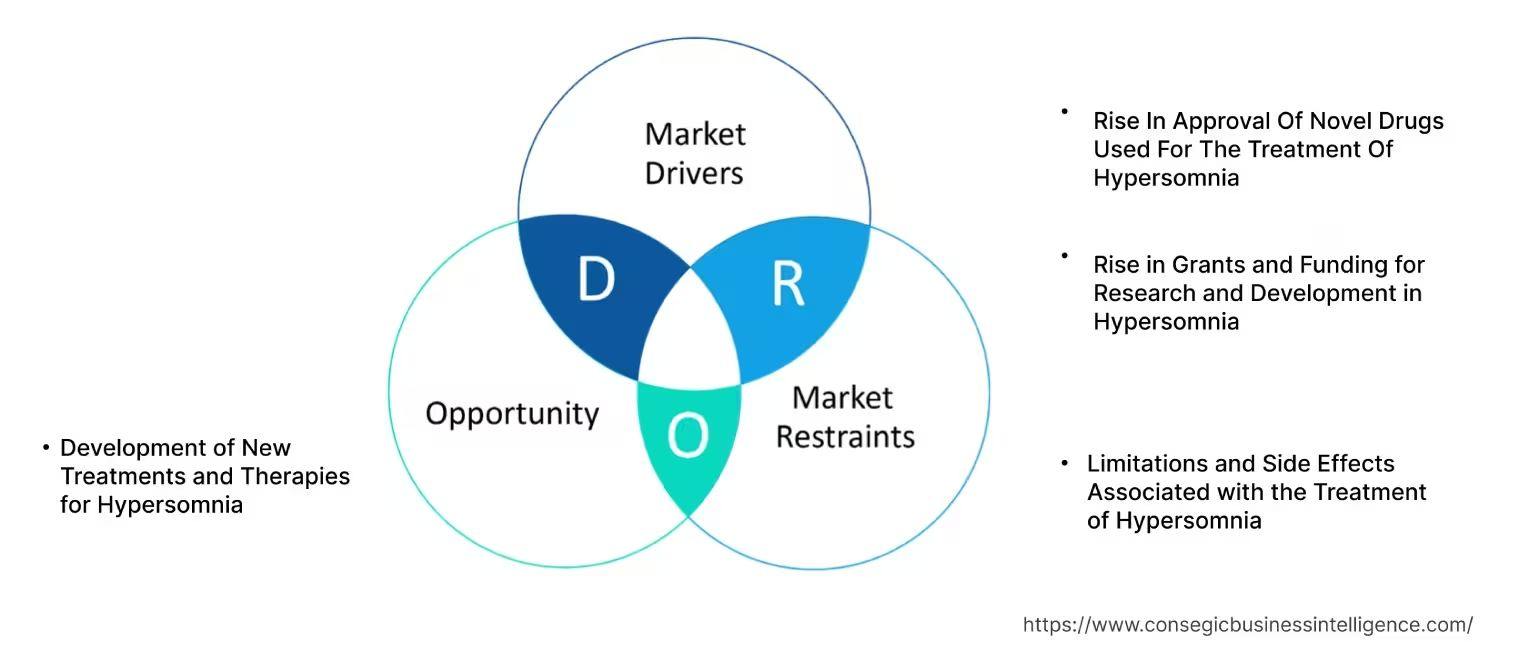
Hypersomnia Market Dynamics - (DRO) :
Key Drivers:
Rise In Approval Of Novel Drugs Used For The Treatment Of Hypersomnia
The awareness of hypersomnia is significant because it highlights the range of pharmaceutical options available for the management of hypersomnia. Stimulant medication such as Modafinil is prescribed to help the patient stay awake in the daytime. Moreover, non-stimulant wake-promoting medications such as Nuvigil are used because they affect the dopamine hormone which makes an individual more awake. Additionally, a drug containing lower-sodium oxybate has been approved by the U.S. Food and Drug Administration for treating idiopathic hypersomnia in adults.
- For instance, in August 2021, Jazz Pharmaceuticals announced the approval of Xywav (calcium, magnesium, potassium, and sodium oxybate) oral solution for the treatment of idiopathic hypersomnia in adults.
Thus, as per the market trends analysis, the increased approval of drugs used for the treatment is boosting the hypersomnia market growth.
Rise in Grants and Funding for Research and Development in Hypersomnia
The increase in grants and funding for research and development of hypersomnia leads to the growing recognition and significance of understanding and addressing the disease. Increased funding for research and development fosters collaboration among scientists, medical professionals, and pharmaceutical companies to address the disease through an integrated approach. This collaboration leads to the formulation of new therapeutic drugs and advancements in knowledge about the disease. Moreover, the increase in funding for research and development boosts economic growth by creating job opportunities in the biomedical and healthcare sectors. Various funding and grants are available to support medical students, physician residents and fellows, postdoctoral fellows, and other researchers who are researching hypersomnia.
- For instance, in August 2022, the AASM Foundation and Hypersomnia Foundation announced their research funding support as part of the Strategic Research Grant program. The funding was announced to promote the research on hypersomnia.
Thus, the rise in grants and funding for research and development of hypersomnia is propelling the hypersomnia market demand.
Key Restraints :
Limitations and Side Effects Associated with the Treatment of Hypersomnia
Although treatment for hypersomnia is helpful, it also has several side effects and limitations to consider. The primary concern is the risk of tolerance and dependence, especially with medications such as stimulants, which are used to manage excessive sleep during the day. With time, individuals develop a tolerance towards stimulants, further requiring more doses for the same effect. This increases the risk of dependence and withdrawal symptoms when the drug is discontinued.
Additional antidepressants and other medications prescribed for the treatment of the disease contain side effects such as nausea, headaches, and dizziness which are harmful to the patients. Thus, the analysis of market trends shows that the various side effects and limitations associated with the treatment of hypersomnia are hindering the hypersomnia market growth.
Future Opportunities :
Development of New Treatments and Therapies for Hypersomnia
The formulation of new treatments and therapies for hypersomnia is an ongoing process, whose goal is to address the disorder's symptoms and underlying causes. The development of treatment and therapies generally includes behavioral therapy, medication interventions, and lifestyle changes to enhance the waking and sleep quality of the patients. Additionally, pharmacological strategies include the production of novel drugs that generally target particular neurotransmitters such as orexin/hypocretin receptors that are involved in the regulation of sleep to decrease the duration of sleep during the day.
- For instance, the paper published in the New England Journal of Medicine, in July 2023, stated that TAK-994, an oral orexin receptor 2–selective agonist is the the phase 2 trial The receptor is expected to work for the treatment of hypersomnia.
Thus, the development of new drugs and therapies is expected to propel the hypersomnia market opportunities.
Hypersomnia Market Segmental Analysis :
By Treatment Type:
The treatment type is categorized into stimulants, anti-depressants, sodium oxybates, and others.
Trends in the Treatment Type:
- Certain anti-depressants, particularly SSRIs and SNRIs, are used off-label to manage hypersomnia, especially when symptoms overlap with mood disorders like depression.
- Non-pharmacological treatments, like cognitive behavioral therapy and lifestyle modifications, are increasingly used to complement medication and manage hypersomnia symptoms holistically.
The stimulants segment accounted for the largest revenue share of the total hypersomnia market share in the year 2024.
- Stimulants are generally prescribed for the treatment to reduce excessive sleep during the day.
- These medications work by increasing the activity of certain neurotransmitters in the brain such as dopamine and norepinephrine, which usually promotes alertness in the patients.
- The stimulants used for the treatment generally include methylphenidate (Ritalin), modafinil (Provigil), and armodafinil (nuvigifil).
- For instance, according to Mayo Clinic in recent years, modafinil has been especially significant due to its well-established efficacy for idiopathic hypersomnia and narcolepsy, making it a popular choice among healthcare providers.
- Therefore, stimulants like modafinil play a vital role in managing hypersomnia, effectively promoting wakefulness and alertness in affected patients. Thus, driving the hypersomnia market demand.
The sodium oxybates segment is anticipated to register the fastest CAGR during the forecast period.
- It is a central nervous system depressant that helps to lessen drowsiness during the day and enhance the quality of sleep at night.
- It generally lessens symptoms of excessive sleep during the day by encouraging deeper and more restorative sleep cycles.
- Additionally, various medications containing sodium oxybates are launched for the treatment.
- For instance, the article published in the National Library of Medicine, in February 2023, stated that in 2021 the United States approved low-sodium oxybate (LXB) to treat idiopathic hypersomnia. The use of sodium oxybates for the treatment is boosting the segment.
- Therefore, the segmental trends analysis, the introduction of sodium oxybates, especially low-sodium oxybate, is significantly advancing treatment by enhancing sleep quality and reducing daytime drowsiness, this, in turn, drives the hypersomnia market trends.
By Distribution Channel:
Based on the distribution channel hypersomnia market is categorized into hospital pharmacies, specialty pharmacies, retail pharmacies, online pharmacies, and others.
Trends in the Distribution Channel:
- Specialty pharmacies are increasingly significant as they offer personalized medication management for hypersomnia, addressing complex treatment regimens and enhancing patient adherence.
- While retail pharmacies contribute to overall drug distribution, their role in hypersomnia treatment is limited due to prescription restrictions and the need for specialized care.
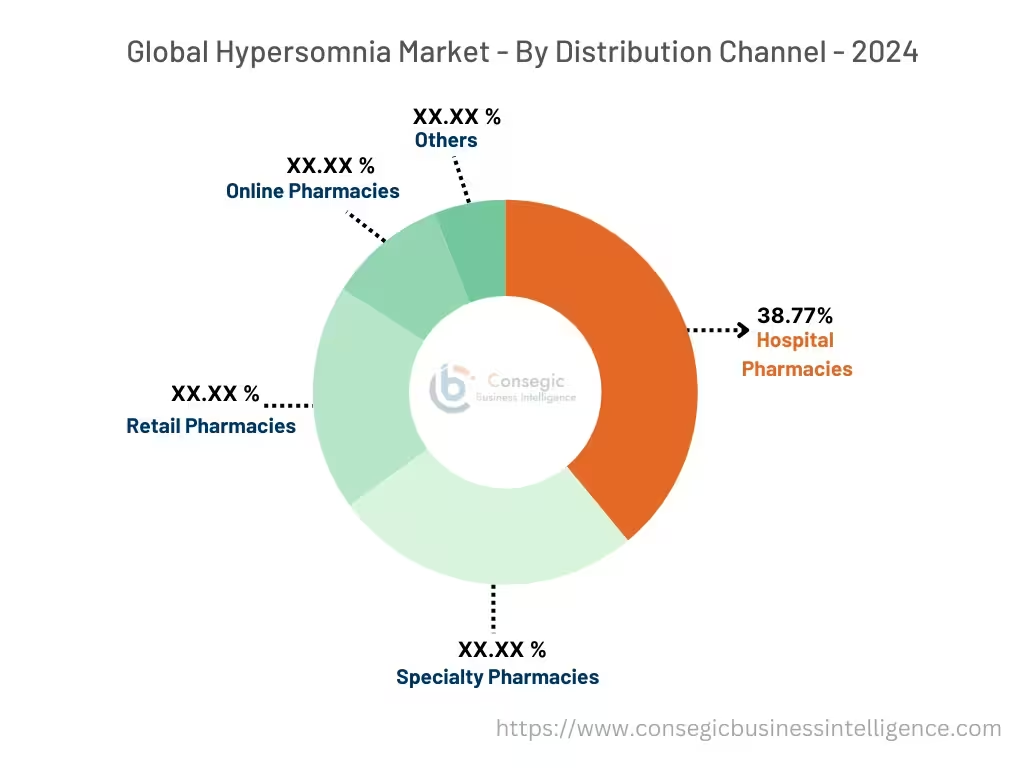
The hospital pharmacies segment accounted for the largest revenue share of 38.77% of the overall hypersomnia market share in the year 2024.
- Hypersomnia drugs are majorly available in hospital pharmacies as they need to be stored and sold under special conditions.
- These drugs are not allowed to be sold without a prescription and they need to be administered by specialists with proper care.
- Furthermore, the increasing number of hospitals in developing countries is driving the segment.
- For instance, according to the report by Investment Information and Credit Rating Agency, in August 2023, the hospital sector is driving a robust revenue growth of 8-10% in FY24, with an operating profit margin of 22-23%. This will boost the distribution of drugs in the hospital pharmacies.
- Therefore, the growth of hospitals, alongside robust revenue increases, is enhancing the availability of drugs in hospital pharmacies, driving the hypersomnia market expansion.
The online pharmacies segment segment is anticipated to register the fastest CAGR during the forecast period.
- The increasing sale of hypersomnia drugs through e-commerce platforms is expected to provide lucrative growth opportunities for online pharmacies over the forecast period.
- For instance, according to the report by the National Investment Promotion and Facilitation Agency in June 2021, the Indian e-pharmacy sales in 2019 accounted for USD 0.5 billion which is expected to reach USD USD 4.5 billion compounded rate of 44%. The sold through e-commerce sites are influencing the market demand.
- Thus, the rise of e-commerce in the pharmaceutical sector, particularly in drug sales, presents significant hypersomnia market opportunities for online pharmacies.
Regional Analysis:
The regional segment includes North America, Europe, Asia Pacific, the Middle East and Africa, and Latin America.
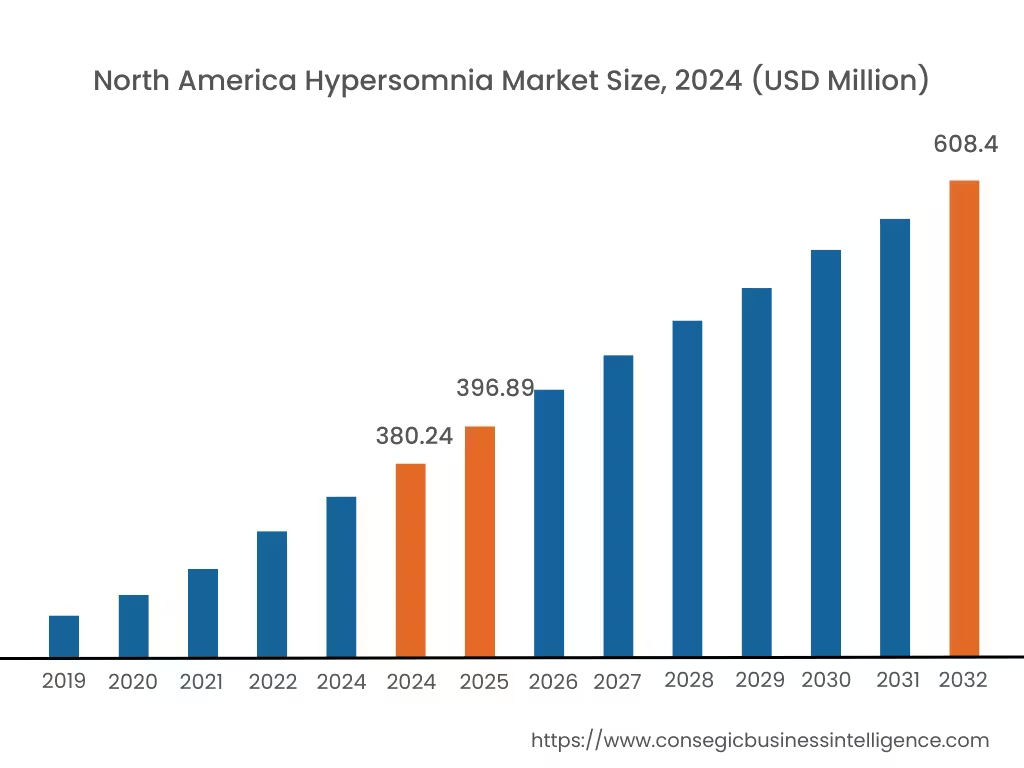
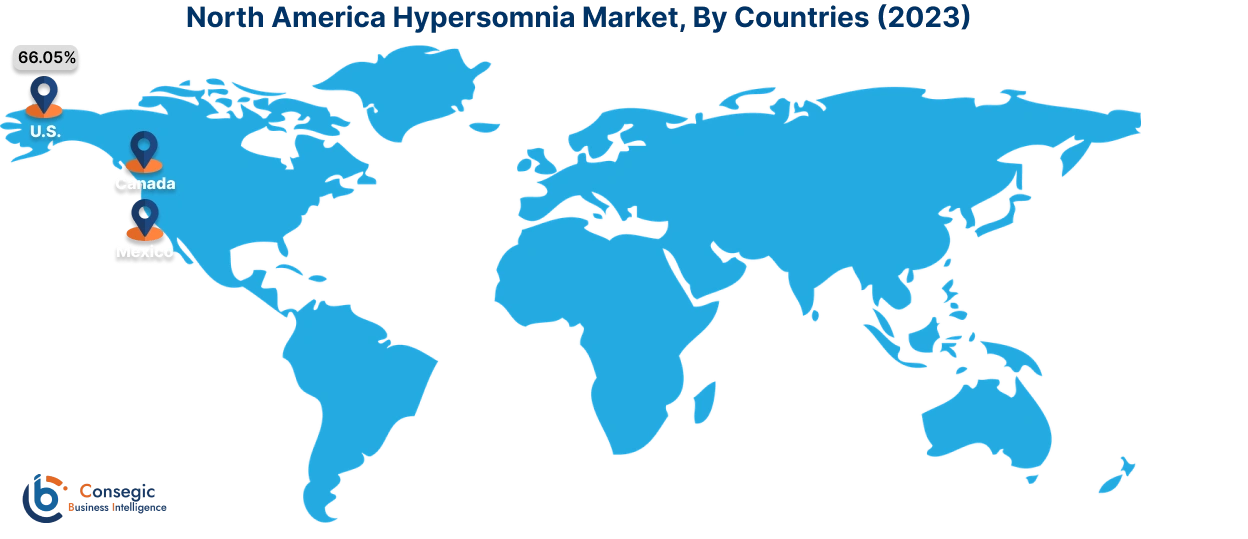
In 2024, North America accounted for the highest market share at 35.21% and was valued at USD 380.24 Million, and is expected to reach USD 608.4 Million in 2032. In North America, the U.S. accounted for the highest market share of 66.05% during the base year of 2025. As per the hypersomnia market analysis, North America has a well-established healthcare infrastructure, with a high number of hospitals, clinics, and pharmacies. This makes it easy for people with hypersomnia to access various services, medications, and other essential supplies. Additionally, heightened awareness of sleep disorders, including hypersomnia, contributes to increased diagnosis rates and demand for treatment options.
Asia Pacific is expected to witness the fastest CAGR over the forecast period of 6.80% during 2025-2032. The regional trends analysis shows that the increasing awareness about sleep disorders including hypersomnia coupled with rapid urbanization and lifestyle changes has led to the prevalence of the disease in this region. Additionally, developing healthcare infrastructure and access to healthcare services, along with the availability of medications in pharmaceutical sectors is propelling the market demand.
- For instance, according to the report published by India Brand Equity Foundation in August 2023, the market size of the Indian pharmaceuticals industry is expected to reach USD 65 billion by 2024, and approximately USD 130 billion by 2030. Thus, the above factors are boosting the segment.
In Latin America, the hypersomnia market is at an emerging stage, with lower awareness and diagnostic rates compared to more developed markets. While there is growing recognition of sleep disorders, economic constraints and limited access to specialized healthcare services are major challenges. However, rising healthcare expenditures and increasing investments in neurological care are expected to support hypersomnia market expansion over the next decade.
Europe is one of the more developed markets for treatments, with significant research and clinical trials underway. Countries like France, Germany, and the UK have advanced healthcare systems, and there is greater awareness and diagnostic capability for sleep disorders. The hypersomnia market analysis shows that the MEA region is similarly underdeveloped in terms of treatment, although countries like South Africa and the UAE have made significant strides in neurological and sleep disorder care. The region faces constraints due to limited healthcare resources, but ongoing healthcare infrastructure developments are expected to boost the market. The hypersomnia market trends are likely to be driven by partnerships with global pharmaceutical companies and increased government investment in healthcare.
Top Key Players & Market Share Insights:
The hypersomnia market is highly competitive with major players providing treatments to the national and international markets. Key players are adopting several strategies in research and development (R&D), product innovation, and end-user launches to hold a strong position in the global hypersomnia market. Key players in the Hypersomnia industry include-
- Jazz Pharmaceuticals plc (Ireland)
- Cephalon, Inc. (US)
- Merck KGaA (Germany)
- Avadel (Ireland)
- Harmony Biosciences (US)
- Amneal Pharmaceuticals LLC. (US)
- Bioproject (France)
Recent Industry Developments :
Product Enhancement:
- Zevra Therapeutics has made significant strides with its drug KP1077, which targets idiopathic hypersomnia (IH). Positive results from their Phase 2 trial were shared at SLEEP 2024, showing that KP1077 reduces EDS and associated symptoms like sleep inertia and brain fog. This supports their move to a Phase 3 trial, potentially bringing new treatments for IH closer to market
Hypersomnia Market Report Insights :
| Report Attributes | Report Details |
| Study Timeline | 2021-2034 |
| Market Size in 2034 | USD 2,125.17 Million |
| CAGR (2026-2034) | 6.40% |
| Base Year | 2025 |
| By Treatment Type |
|
| By Distribution Channel |
|
| By Region |
|
| Key Players |
|
| North America | U.S. Canada Mexico |
| Europe | U.K. Germany France Spain Italy Russia Benelux Rest of Europe |
| APAC | China South Korea Japan India Australia ASEAN Rest of Asia-Pacific |
| Middle East and Africa | GCC Turkey South Africa Rest of MEA |
| LATAM | Brazil Argentina Chile Rest of LATAM |
| Report Coverage |
|
Key Questions Answered in the Report
What are the key factors driving the growth of the hypersomnia market? −
Growing incidences of hypersomnia across the globe are fueling market growth.
What will be the potential market valuation for the hypersomnia industry by 2032? +
In 2032, the market size of hypersomnia is expected to reach USD 1,877.20 million.
What is the market size of the hypersomnia industry in 2024? +
In 2024, the market size of hypersomnia is USD 1,146.31 million.
Based on current market trends and future predictions, which geographical region is growing at the fastest CAGR over the forecast period in the hypersomnia market? +
The Asia Pacific region will account for the highest CAGR in the overall hypersomnia market.
Overview
Reputation & Certifications


Our Services
- Market Intelligence & Forecasting
- Custom Research Solutions
- Market Entry Strategy
- Competitive Intelligence
- Customer Insights
- Industry Innovation Analysis
- Investment Advisory