Jump to Content
Acetyls Market Size & Industry Share - Growth Trends & Forecasts (2026 - 2034)
Acetyls Market Size:
Acetyls Market size is estimated to reach over 52.48 (US$B) by 2034 from a value of 32.97 (US$B) in 2025 and is projected to grow by 34.72 (US$B) in 2026, growing at a CAGR of 5.3% from 2026 to 2034, according to a recent report from Consegic Business Intelligence.
Acetyls Market Scope & Overview:
Acetyls are a group of chemicals, including acetic acid, acetic anhydride, and vinyl acetate monomer (VAM) that are widely used as intermediates in various industrial processes. These chemicals are essential for the production of solvents, adhesives, coatings, and packaging materials due to their stabilizing and reactive properties. The growing demand is driven by industries such as pharmaceuticals, food and beverages, chemicals, and textiles, where these compounds enhance product quality and efficiency. They also play a crucial role in the synthesis of active pharmaceutical ingredients and in the production of polymers and resins, further supporting market expansion. Key industries, including paints and coatings, plastics, and pharmaceuticals, continue to rely on these versatile compounds, which ensures steady growth.

Acetyls Market Dynamics - (DRO) :
Key Drivers:
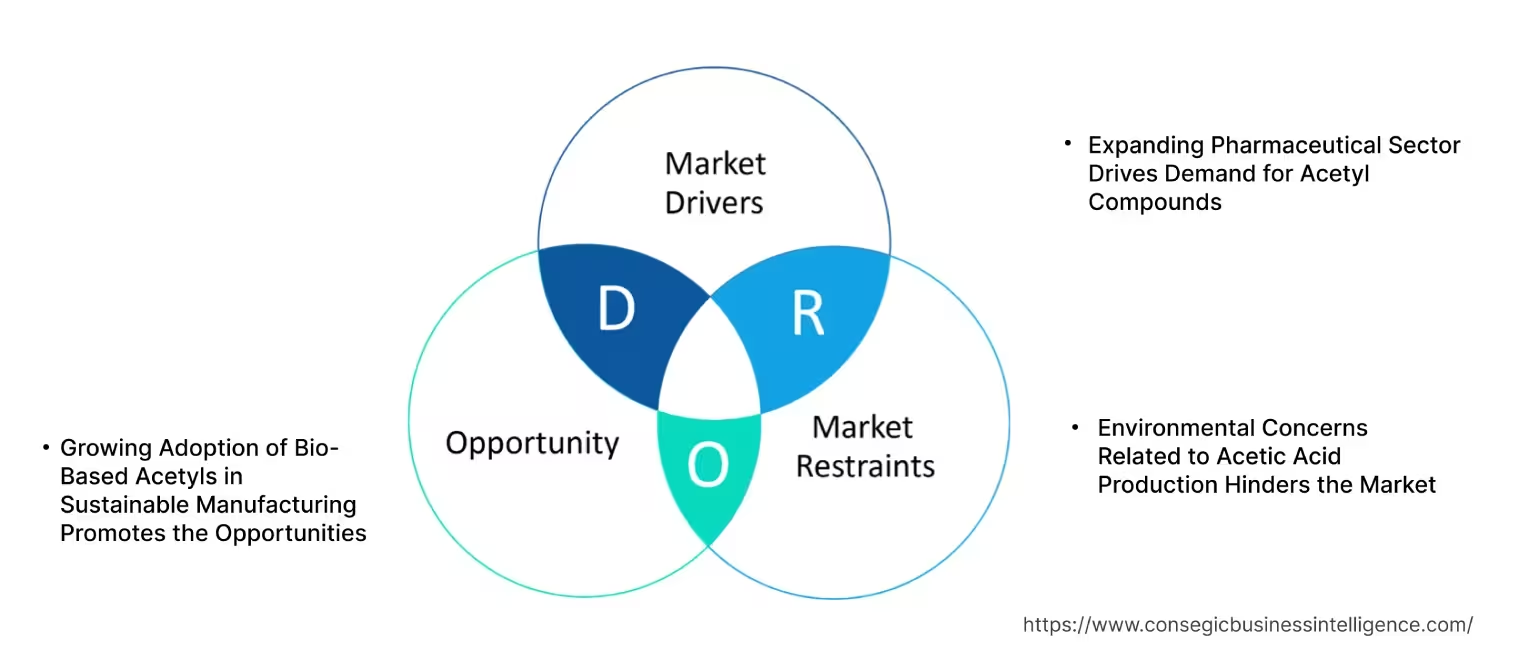
Expanding Pharmaceutical Sector Drives Demand for Acetyl Compounds
The market is experiencing significant surge, driven by the increasing demand for acetyl derivatives within the pharmaceutical sector. Acetyl compounds such as acetic acid and acetic anhydride are essential intermediates in the production of key pharmaceutical products, including analgesics, antibiotics, and anti-inflammatory drugs. The global expansion of the pharmaceutical sector, particularly in developing regions, has intensified the need for these high-quality compounds. Their critical role in ensuring the effective synthesis of active pharmaceutical ingredients (APIs) makes them indispensable in drug manufacturing, thereby fueling acetyls market demand.
Key Restraints :
Environmental Concerns Related to Acetic Acid Production Hinders the Market
A major challenge for the market is the environmental concerns related to traditional production methods for acetic acid, particularly the carbonylation of methanol. This process generates significant carbon emissions and industrial waste, which has led to increasing scrutiny from regulatory bodies. The tightening of environmental regulations and the shift towards more sustainable production practices have increased operational costs for manufacturers. The need for substantial investments in cleaner production technologies is acting as a barrier for acetyls market growth, especially for smaller players.
Future Opportunities :
Growing Adoption of Bio-Based Acetyls in Sustainable Manufacturing Promotes the Opportunities
There is increasing demand for bio-based acetyl compounds, particularly bio-acetic acid, derived from renewable resources such as biomass. This shift is driven by industries including food and beverages, packaging, and textiles, where environmentally friendly production processes are becoming a priority. As companies seek to reduce their carbon footprint and meet sustainability targets, the adoption of bio-based acetyls offers a competitive advantage. Manufacturers who invest in innovative, bio-based production technologies are well-positioned to capitalize on this growing trend, creating lucrative acetyls market opportunities.
Acetyls Market Segmental Analysis :
By Product Type:
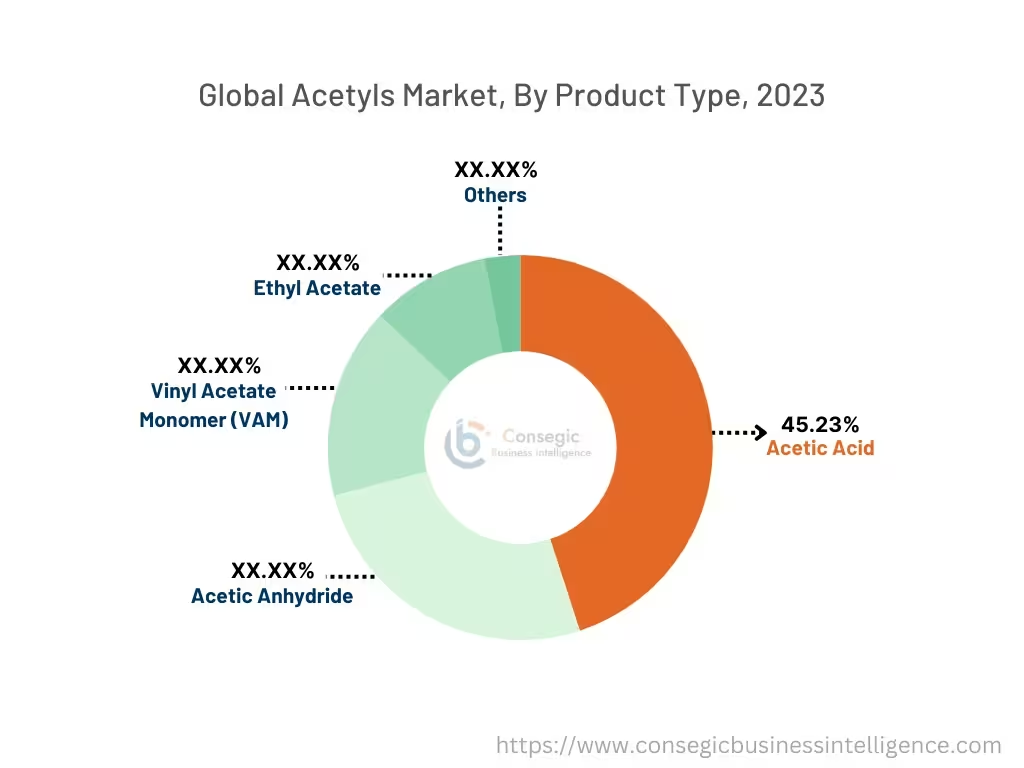
Based on product type, the market is segmented into acetic acid, acetic anhydride, vinyl acetate monomer (VAM), ethyl acetate, and others.
The acetic acid segment accounted for the largest revenue share of 45.23% of the total acetyls market share in 2023.
- Acetic acid is a critical raw material in the production of various downstream chemicals, including vinyl acetate monomer (VAM), purified terephthalic acid (PTA), and acetic anhydride.
- It plays a vital role in multiple industries such as chemicals, textiles, and packaging.
- The rising demand for VAM, which is used in adhesives, paints, and coatings, drives the segment.
- Furthermore, acetic acid's applications in the production of solvents and intermediates in the chemical sector ensure its continued dominance in the market.
- Thus, as per the segmental trends analysis, the acetic acid segment leads the market due to its essential role in producing key chemical intermediates and its widespread application across industries like chemicals and packaging, driving the acetyls market growth.
The vinyl acetate monomer (VAM) segment is anticipated to register the fastest CAGR during the forecast period.
- Vinyl acetate monomer (VAM) is widely used in the production of adhesives, coatings, and films.
- It is a critical component in the manufacture of polyvinyl acetate (PVA), a polymer used extensively in paints, coatings, and packaging.
- The growing demand for eco-friendly and water-based adhesives, particularly in packaging and construction, is a significant factor driving the VAM segment.
- Additionally, VAM's use in solar panel encapsulation films and photovoltaic applications is also contributing to its rapid growth.
- Thus, the acetyls market analysis shows that VAM is expected to grow rapidly due to its essential role in producing eco-friendly adhesives and coatings, particularly in packaging and solar panel applications.
By End-User Industry:
Based on end-user industry, the market is segmented into chemicals, pharmaceuticals, food & beverages, textiles, packaging, and others.
The chemicals segment accounted for the largest revenue share of the total acetyls market share in 2023.
- Acetyls are vital intermediates in the chemical sector, used in the production of a wide range of products, including solvents, resins, and polymers.
- The demand for acetyl compounds, particularly acetic acid and VAM, is driven by the chemical sector's need for raw materials in coatings, adhesives, and plastics production.
- The expansion of chemical manufacturing in emerging markets, especially in Asia-Pacific, further drives the segment.
- Thus, the segmental trends analysis portrays that the chemicals sector remains the largest consumer of acetyls, driven by their crucial role in producing solvents, resins, and polymers that are integral to numerous chemical applications, driving the acetyls market demand.
The packaging segment is anticipated to register the fastest CAGR during the forecast period.
- The packaging sector is witnessing substantial growth, particularly due to the rising demand for sustainable and recyclable packaging materials.
- Acetyl compounds such as VAM and acetic acid are essential in producing adhesives, coatings, and films used in packaging applications.
- The increasing focus on eco-friendly packaging solutions and the use of bio-based materials are driving the demand for acetyls in this sector.
- Additionally, the shift towards flexible and lightweight packaging materials is further fueling the segment.
- Thus, the analysis of segmental trends depicts that the packaging segment is set to grow rapidly, driven by increasing demand for sustainable packaging solutions and the use of acetyl-based adhesives and coatings in the production of recyclable materials. This, in turn, boosts the acetyls market trends.
Regional Analysis:
The regions covered are North America, Europe, Asia Pacific, the Middle East and Africa, and Latin America.
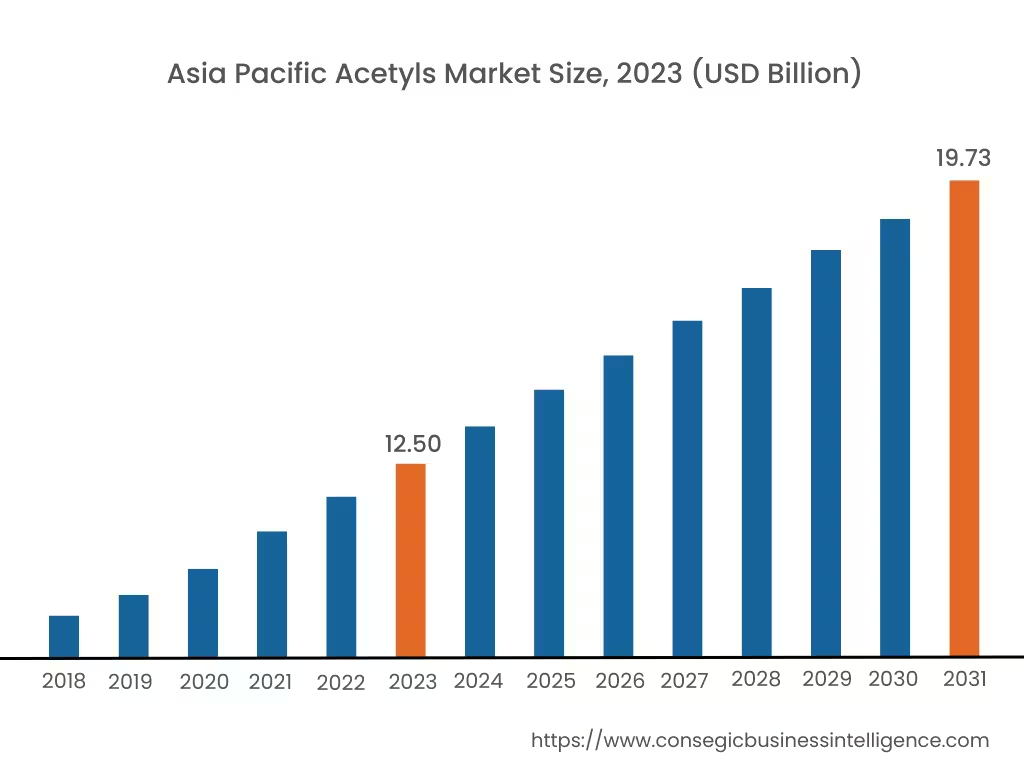
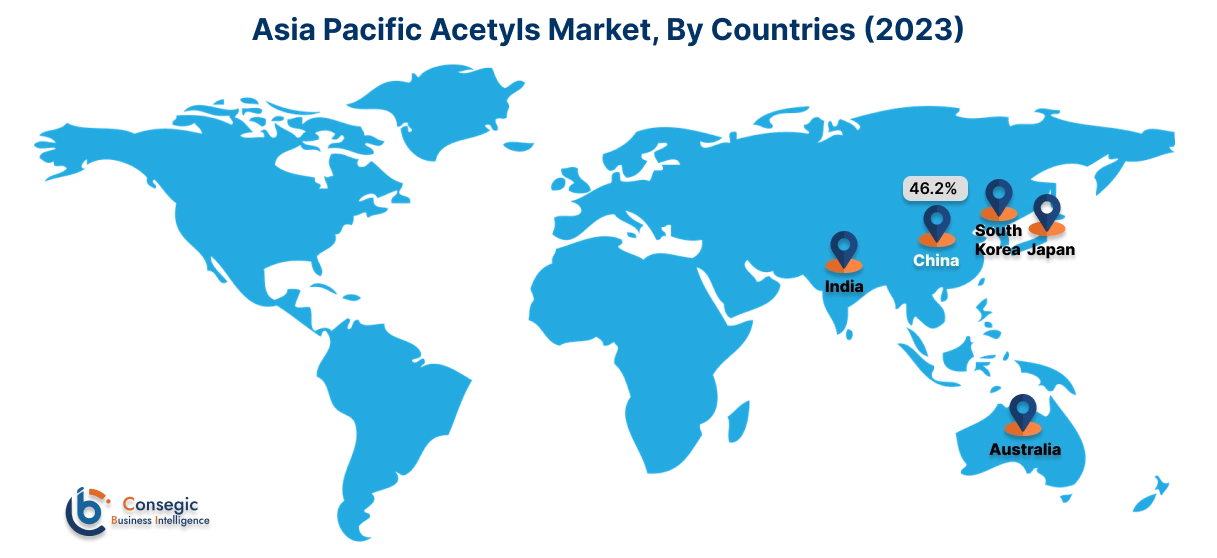
Asia Pacific region was valued at USD 12.50 Billion in 2023. Moreover, it is projected to grow by USD 12.99 Billion in 2024 and reach over USD 19.73 Billion by 2031. Out of this, China accounted for 46.2% of the total market share. As per the acetyls market analysis shows that Asia-Pacific is the fastest-growing region in the market, driven by rapid industrialization and the growing demand for acetyls in chemicals, pharmaceuticals, paints, coatings, and food industries. China and India dominate the regional market due to their expanding chemical production capacities, with China being the largest producer of acetic acid globally. Additionally, the rise of the textile and packaging industries in countries like China, India, and Japan further accelerates demand. However, environmental regulations in China related to emissions from acetyl production could affect future growth.
North America is estimated to reach over USD 10.19 Billion by 2031 from a value of USD 6.55 Billion in 2023 and is projected to grow by USD 6.80 Billion in 2024. North America holds a significant share in the market, primarily driven by the pharmaceutical, chemical, and food & beverage sectors. The U.S. leads the region with a high demand for acetyl derivatives like acetic acid and acetic anhydride, widely used in drug manufacturing, food preservatives, and textile production. Growing pharmaceutical sector, along with demand for acetyls in food additives and coatings, supports the market. However, stringent environmental regulations related to emissions and the production of acetyls may challenge acetyls market trends.
The regional analysis shows that Europe is a key player in the market, with countries like Germany, the UK, and France leading due to their well-established chemical and pharmaceutical industries. Acetyls are used extensively in packaging, pharmaceuticals, and solvents across the region. The demand is also growing for bio-based acetyls due to the EU's increasing emphasis on sustainability and environmental regulations. However, high production costs and stringent regulatory frameworks such as REACH affect the market's competitive positioning and growth rate.
The Middle East & Africa region is experiencing steady rise in the market, driven by the construction, textile, and packaging sectors. Countries like Saudi Arabia and the UAE are investing in acetyl production as part of their industrial diversification efforts. Acetyls are increasingly being used in adhesives, coatings, and construction materials. However, the region faces challenges due to limited local production facilities and a dependency on imports for raw materials, which may restrict acetyls market opportunities.
Latin America is an emerging market, with Brazil and Mexico being the key contributors. The market is primarily driven by the agriculture, food, and pharmaceutical industries, where acetyls are used in fertilizers, food preservatives, and drug manufacturing. The growing demand for agrochemicals and pharmaceuticals supports market expansion, especially in Brazil. However, economic instability and fluctuating government policies in certain Latin American countries can slow acetyls market expansion.
Top Key Players & Market Share Insights:
The acetyls market is highly competitive with major players providing products to the national and international markets. Key players are adopting several strategies in research and development (R&D), product innovation, and end-user launches to hold a strong position in the global acetyls market. Key players in the acetyls industry include-
- Celanese Corporation (USA)
- BP Plc (UK)
- LyondellBasell Industries N.V. (Netherlands)
- Dow Chemical Company (USA)
- INEOS Group (UK)
- Eastman Chemical Company (USA)
- Wacker Chemie AG (Germany)
- SABIC (Saudi Arabia)
- Daicel Corporation (Japan)
- LOTTE Chemical Corporation (South Korea)
Recent Industry Developments :
Mergers and Acquisitions:
- In September 2023, INEOS Acetyls, a subsidiary of the INEOS Group and a global producer of acetic acid and related chemicals, completed the acquisition of the Texas City Operations from Eastman Chemical Company. The transaction has been finalized.
Enhancement to the Existing Process:
- In March 2023, Celanese Corporation, a Canadian manufacturer of specialty chemicals and materials, successfully completed a low-cost, zero-waste initiative at its Edmonton facility. This project allowed the company to increase its Ethylene Vinyl Acetate (EVA) production capacity by utilizing its existing industrial assets and infrastructure, further enhancing the growth of the Acetyl Chain's vinyl product line.
Acetyls Market Report Insights :
| Report Attributes | Report Details |
| Study Timeline | 2021-2034 |
| Market Size in 2034 | USD 52.48 Billion |
| CAGR (2026-2034) | 5.30% |
| Base Year | 2025 |
| By Product Type |
|
| By End-User Industry |
|
| By Region |
|
| Key Players |
|
| North America | U.S. Canada Mexico |
| Europe | U.K. Germany France Spain Italy Russia Benelux Rest of Europe |
| APAC | China South Korea Japan India Australia ASEAN Rest of Asia-Pacific |
| Middle East and Africa | GCC Turkey South Africa Rest of MEA |
| LATAM | Brazil Argentina Chile Rest of LATAM |
| Report Coverage |
|
Key Questions Answered in the Report
How big is the Acetyls Market? −
Acetyls market size is estimated to reach over USD 44.95 Billion by 2031 from a value of USD 29.63 Billion in 2023 and is projected to grow by USD 30.69 Billion in 2024, growing at a CAGR of 5.3% from 2024 to 2031.
What are the key drivers for the growth of the Acetyls Market? +
The growth of the Acetyls Market is primarily driven by increasing demand in the production of adhesives, paints, and coatings, as well as the expanding pharmaceutical and textile industries. Additionally, the growing use of acetyls in food preservatives is another major factor boosting market growth.
How are environmental regulations affecting the Acetyls Market? +
Stricter environmental regulations regarding volatile organic compounds (VOCs) and carbon emissions have led manufacturers to innovate and produce greener acetyls products. Companies are investing in sustainable production methods and bio-based acetyls to comply with regulations, which is reshaping the market landscape.
Which region is expected to witness the most opportunities in the Acetyls Market? +
North America is expected to witness substantial opportunities due to its well-established chemical manufacturing infrastructure and increasing investments in renewable and sustainable acetyl production. The region's focus on eco-friendly processes is opening new avenues for market growth.
What are the emerging trends in the Acetyls Market? +
One of the emerging trends in the Acetyls Market is the shift toward bio-based acetyl production to reduce reliance on petrochemicals. Additionally, the rise in demand for acetyls in pharmaceutical applications, particularly in drug formulation and preservation, is becoming a significant trend.
Overview
Reputation & Certifications


Our Services
- Market Intelligence & Forecasting
- Custom Research Solutions
- Market Entry Strategy
- Competitive Intelligence
- Customer Insights
- Industry Innovation Analysis
- Investment Advisory