Introduction to Energy Transition in the Oil & Gas Industry
The world's energy sector is currently experiencing some major changes, known as energy transition. Energy transition refers to a process where energy is slowly transformed from fossil fuel energy into sustainable energy. There are many factors influencing this kind of change but mainly include rising concern about environmental degradation, carbon emission, and climate change due to the extensive usage of oil, coal, and natural gas. Moreover, the government, corporate industries, and environmental bodies in the world are currently promoting sustainable energy in the form of solar energy, wind energy, hydroelectric power, and hydrogen energy among others.
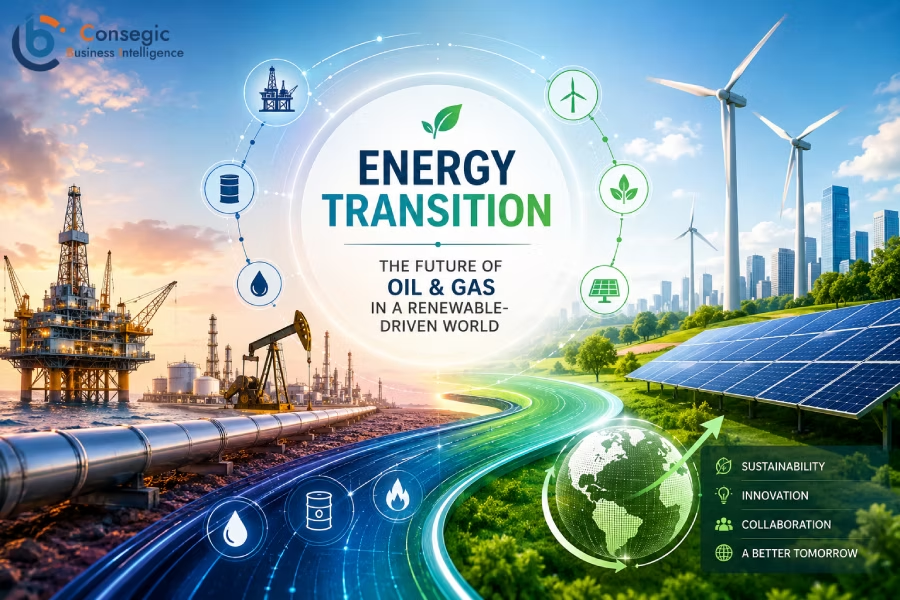
The oil and gas industry, which has been one of the most dominant forms of energy in the world, faces tough times because of energy transition. This is because of increased demands for other types of energies following rapid technology and sustainable development. Furthermore, international agreements regarding climate control and the need for carbon neutrality are also playing important part in pushing this trend of energy transition even further.
How Is Renewable Energy Impacting Global Oil & Gas Demand?
The swift development of renewable energy technology has played a key role in affecting the consumption of oil and gas worldwide. The increasing use of renewable forms of energy like solar and wind energy has led to decreased use of traditional fossil fuel in generating power and performing industrial activities. Moreover, governments across the globe are adopting policies promoting the use of clean energy sources to minimize the emission of greenhouse gases and mitigate the impact of climate change.
In addition to that, the increased adoption of electric vehicles (EVs) is one of the key reasons why oil demand is on the verge of falling. The more EVs there are, the less the consumption of fossil-fuel based energy sources will be over the next decades. Additionally, energy savings resulting from technological innovations in the field of energy efficiency and intelligent energy systems also reduce total energy consumption at household, business, and industrial levels. Furthermore, countries pursue ambitious targets concerning the reduction of emissions to zero, and this speeds up investments in renewable energy generation technologies. While it is certain that both oil and natural gas will remain indispensable components of the world's energy sources in the years to come, renewables will continue to change market dynamics.
Technological Innovations Driving Sustainable Energy Solutions
Technological innovations are playing a critical role in ensuring the rapid shift towards energy sustainability. Incorporation of innovations like artificial intelligence, internet of things, and data analytics has enabled efficient utilization of these technologies to facilitate smarter energy management systems. In addition, incorporation of digital innovations in the oil and gas sector has contributed significantly in optimizing processes, reducing costs, and protecting the environment due to predictive maintenance systems.
The most promising innovation in terms of sustainable energy is CCUS technology (carbon capture, utilization and storage). It is aimed at capturing emissions of carbon dioxide from production and storing it or converting into useful products, which prevents pollution. Also, progress in the area of battery storage technologies contributes to more efficient use of energy produced through solar or wind power sources because it enables effective storage and delivery of such energy. Additionally, hydrogen energy and biofuels can be considered alternatives to traditional fossil fuel sources since they produce much less environmental damage. Furthermore, another trend is the emergence of smart grids that enable efficient energy distribution and use. Continued investments in research and development are critical for successful introduction of sustainable energy solutions on a global level.
Role of Government Policies and Global Climate Goals in Energy Transition
The government’s energy policies along with international climate actions play an essential part in advancing the energy transition in the world and encouraging sustainable development in energy utilization. Strict policies on the environment and measures on reducing carbon emissions are being enforced in many countries all over the world. International climate agreements like the Paris Agreement encourage countries to act together for the regulation of global warming and ensure climate sustainability. The following actions have largely affected the way energy policy and other decisions are made.
Moreover, government agencies are adopting various forms of subsidies, tax rebates, and finance schemes to promote renewable energy generation through solar power plants, wind energy systems, hydropower stations, and green hydrogen technologies. Various carbon pricing policies and emissions trading schemes have been adopted to stimulate industrial players to minimize their carbon footprint by implementing clean production practices. Additionally, there have been efforts made by many government departments towards encouraging sustainable development in infrastructure, electric mobility solutions, and energy-efficient technology. In addition, international collaboration between states, corporations, and environmental groups will be necessary to solve the challenges associated with climate change. Good policymaking and international collaboration will certainly always be necessary for the future success of the oil and gas industry.
Challenges, Opportunities, and Future Strategies for the Oil & Gas Industry
The constant change in energy comes with several challenges for the oil and gas sector because more efforts are being made around the globe to move away from fossil fuel use and shift to renewable energy resources. The major challenge for oil and gas organizations includes falling demand for fossil fuels owing to high investment in alternative sources and increased government policies in favor of cleaner and sustainable energy. In addition, oil and gas companies are experiencing a lot of financial challenges as there are heavy investments involved for infrastructure and sustainable production techniques. Moreover, uncertainty in crude oil prices is another problem that makes the situation difficult for the oil and gas sector.
Nonetheless, energy transition presents numerous opportunities that can propel the oil and gas sector towards greater success. Various firms within the sector are embracing diversity and are moving towards developing renewable energy resources such as solar, wind power, and hydrogen technology, among others. Collaboration and partnerships between governments, private sectors, and educational institutions have played a key role in facilitating innovation in energy production processes. In the coming years, some of the key approaches that the oil and gas sector will consider will be net zero emissions, efficiency, digitalization, and integration of renewables into energy infrastructure.
Conclusion
The shift towards renewables may become the single largest factor that determines the future of the energy industry worldwide. The growing concern regarding the problems of global warming and carbon emissions has led companies and governments to use environmentally-friendly sources of energy, including solar power, hydrogen, bioenergy, and wind power. Despite the fact that fossil fuels will continue to dominate the global energy markets for decades ahead, the oil and gas industry must change its practices due to the new trends in the market environment. Moreover, the emergence of new technologies, policies of different governments, and investment decisions made by companies will open up new prospects in the field.