In 2026, medical device industries are experiencing an unprecedented time, which is characterized by an extraordinary acceleration in breakthrough innovation, alongside intensifying regulatory, financial and operational pressures. Across the sector, companies are working to balance technological process with an increasingly complex business environment.
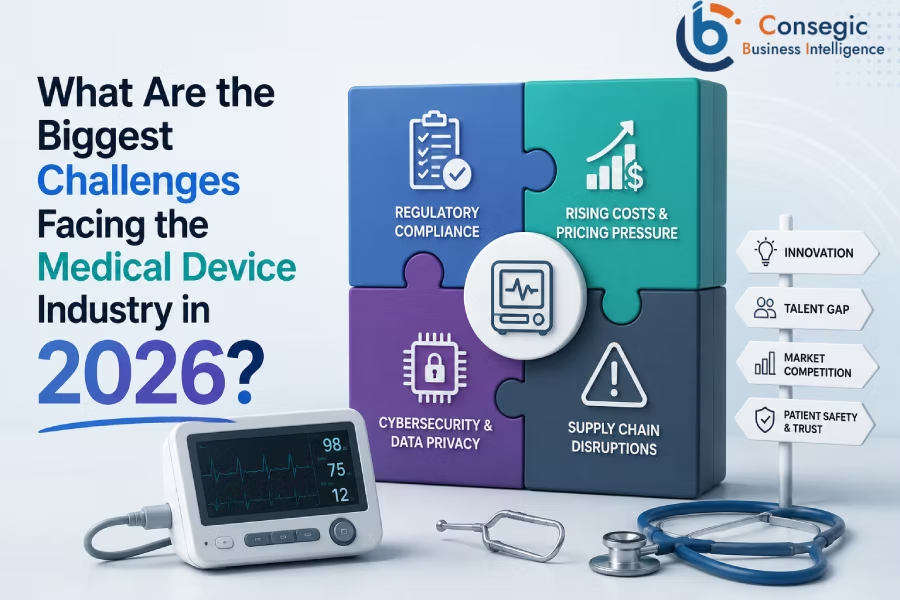
Here is what the industry leaders are dealing with right now.
Managing a Rapidly Changing AI Regulatory Environment
Artificial intelligence has moved far beyond being a trend in MedTech and is now deeply integrated into areas such as diagnostic imagining, remote patient monitoring, robotic assisted procedures and predictive healthcare analytics.
However, regulatory systems have struggle to keep up with this rapid evolution. The FDA continues to refine its approach to evaluating AI powered and software based medical devices, often requiring evidence that can be difficult to generate within conventional development schedules.
For manufacturers- particularly smaller organizations- the challenge exists beyond creating effective AI solutions. They must also demonstrate safety, transparency in algorithm performance and freedom from bias before products can reach healthcare professionals. In addition, expectations for continuous post market monitoring further pressure on resources and operations.
Supply Chain Vulnerabilities and Reshoring Challenges
The weakness exposed by the global disruptions over recent years remain an ongoing concern. Critical parts availability, acquisition of needed raw materials, as well as the management of international logistics remains a tremendous burden on many manufacturing companies.
Many firms are undertaking nearshoring and reshoring efforts in order to alleviate the vulnerability of their supply chains. Although potentially increasing the reliance on domestic suppliers and reducing overseas reliance, labour costs and skill shortages along with massive investment will be incurred.
The lingering Section 232 investigation continues to inject ambiguity into this picture with possible tariffs being potentially specific and thereby changing overall decisions and expenditures.
Reinventing Quality Management and Compliance
2026 signifies a major shift in quality management in the medical device sector. With the enforcement of the US Quality Management System Regulation (QMSR) that started in February 2026 coupled with the influence that the EU’s MDR and IVDR framework has, quality compliance is not just another business task.
Manufacturers need to adapt quality systems in order to comply with these updated standards while maintaining business agility. A business that plans quality compliance as part of their business strategy will gain a competitive advantage over competitors.
The risks of non-compliance is steep with FDA warning letters and enforcement growing, the smallest mistake could mean years of work going to waste.
Cybersecurity Requirements and Connected Device Risks
As medical devices become increasingly connected- sharing real time patient information with electronic health records, cloud-based platforms and remote monitoring systems- the potential cybersecurity risk expands considerably. Regulatory authorities now expect manufacturers to build cybersecurity protection directly into device design and to demonstrate ongoing management of vulnerabilities throughout a product’s lifecycle.
At the same time, integrating device generated data into existing clinical workflows remains a major challenge, particularly because fragmented EHR systems often hinder smooth interoperability. As a result, cybersecurity can no longer be treated as an issue to address after launch. It must be incorporated from the earliest stages of development, adding both cost and complexity into the innovation process.
Industry Consolidation and the Future of Smaller Companies
The rate of merger and acquisition (M&A) activity within the entire MedTech industry is rapidly increasing, leading to a changing environment of competition and the nature of innovation. Established players are benefiting from this consolidating atmosphere by way of scale, expanded product lines and a larger capacity to absorb increasingly costly research and development and regulatory requirements.
For startups and smaller manufacturers, however, the environment is becoming increasingly difficult. Growing capital demands, tighter reimbursement conditions and uncertainty surrounding the potential impact of expiring Affordable Care Act subsidiaries create additional obstacles.
As a result, many emerging innovators are acquired before achieving commercial maturity, concentrating innovation within a smaller group of established organisations and raising concerns about the long-term diversity of the industry’s innovation pipeline.
Reimbursement Challenges and Healthcare Economics
No matter how advanced a medical device may be, commercial success depends heavily on clear reimbursement pathways.
Throughout 2026, payers continue to take a conservative approach toward covering new technologies, especially AI-powered diagnostics and digital therapeutics, requiring robust real-world evidence of both clinical outcomes and cost-effectiveness before approving reimbursement.
The possible lapse of enhanced ACA subsidies add another uncertainty surrounding health care spending trends and may force manufacturers to incorporate HEOR strategies during rather than after the clinical development processes. This shift demands additional expertise, longer development timelines and earlier engagement with payers throughout the product design process.
Workforce Evolution and Skills Shortages
Today’s medical device companies require a unique combination of entering talent, data science expertise, regulatory knowledge and clinical understanding- skills that are often difficult to find and retain. As manufacturing operations adopt greater levels of automation, AI enabled quality systems and digital process technologies, workforce capabilities must advance accordingly.
However, the supply of professional equipped for these specialised hybrid roles remain limited. At the same time, staffing constraints within the FDA are contributing to delays in regulatory interaction and device review processes. These delays can affect manufacturers’ commercialization plans, investment strategies and broader market expectations.
Looking Ahead and Navigating the Future of MedTech
The medical device industry in 2026 is not facing a shortage of innovation. Instead, it faces the shortage of the infrastructure, regulatory certainty and economic stability required to bring that innovation to patients on a large scale. Companies that make strategic investments in robust quality systems, cybersecurity foundations, real world evidence generation and workforce development today will be best positioned to shape the future of the market over the coming decade.
Success in the evolving environment will depend on the organizations ability to remain agile and adapt to changing market conditions. Manufacturers that successfully manage the regulatory landscape, build supply chain resilience, adopt digital transformation and clearly articulate value for patients and payers will be more likely to achieve long-term success.
Industry evolution will require increased collaboration between manufacturers, regulators, providers and technology partners to ensure new medical technologies get to the patients that can benefit from them.