Introduction to Upstream and Downstream Oil & Gas Industry
The oil and gas sector represents an integral element in the energy system of the world, and is subdivided into two major segments – upstream and downstream. Upstream segment refers to the exploration and extraction of oil and natural gas. The process involves conducting geological surveys for the discovery of suitable oil reserves, drilling of oil wells, and the actual extraction of oil from those reserves. Downstream processes, on the contrary, involve refining of crude oil, and conversion of its by-products to various forms such as petrol, diesel, kerosene, jet fuels, lubricants, liquefied petroleum gases, etc. It also includes logistics of selling these end products in the markets.
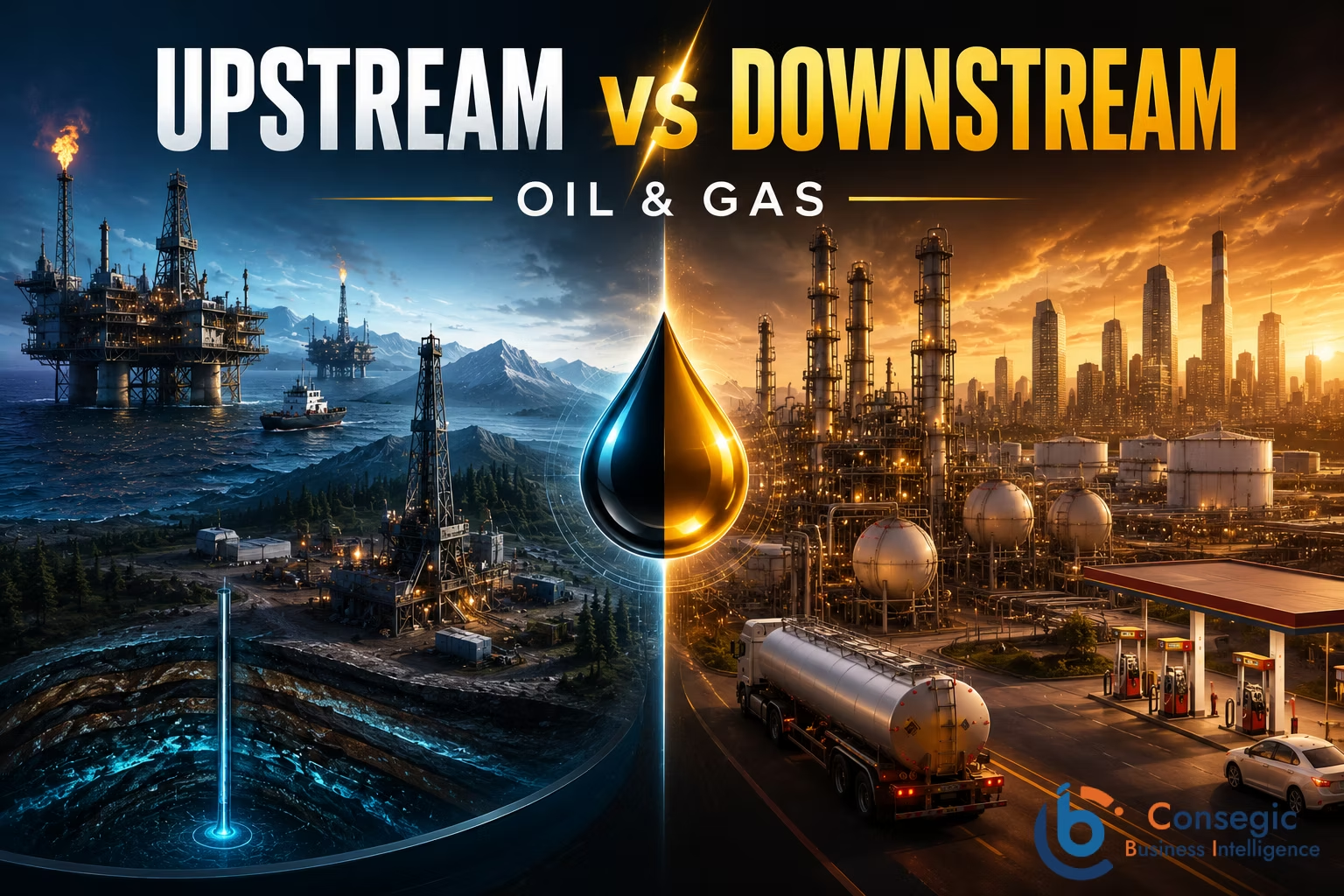
Overall, both the segments represent two sides of the same coin, and complete the cycle of the value chain of oil and gas industry. The two segments are important to facilitate energy security through production of transportation, industrial, and electrical power. Increasing demands in the world further highlight the relevance of both upstream and downstream operations.
Key Differences Between Upstream and Downstream Operations
Upstream activities and downstream activities in the oil and gas industry have distinct characteristics, risk factors, and revenue models. The first process involves the search for new oil and gas deposits and production of hydrocarbons from subsurface and offshore sources. Upstream operation includes the stages of geological survey, seismic survey, drilling and completion of wells. As for risk, this phase is associated with uncertainty and risks in the oil and gas production chain.
On the other hand downstream operation is related to the transformation of raw material (crude oil) into oil products as well as transportation and storage of oil products. The major distinction between the upstream and downstream processes is the source of earnings. While upstream earnings depend heavily on international oil prices, downstream operations do not rely on fluctuations of the international price for crude oil due to dependence of the price from refineries' margins and consumer demands. Another difference is that upstream operation demands technical knowledge and drilling equipment, while downstream operations require refining plants and transport pipes.
Market Structure and Value Chain in Oil & Gas Sector
The oil and gas industry functions within a clearly defined value chain from raw material sourcing to final product use. The value chain starts with the upstream sector that deals with exploration and production of crude oil and natural gas. After extraction, the crude oil is then conveyed to the refineries either through pipeline transport, ship transport, or road transport to reach the midstream segment. The midstream segment then deals with the transportation and logistical management of hydrocarbons.
After the transportation of crude oil, the downstream segment comes in, which involves refining crude oil to end products such as gasoline, diesel, aviation fuels, lubricants, and petrochemicals. The end products are then delivered via retail outlets, filling stations, and other industrial distributors. Sometimes the oil and gas companies are vertically integrated to cover the entire value chain. The oil markets globally are also affected by entities such as OPEC (Organization of the Petroleum Exporting Countries), geopolitics, and trade agreements among other factors.
Recent Market Trends and Industry Insights
In recent years, the oil and gas industry has been experiencing considerable changes due to the emergence of new technology and evolving global energy needs. First, there has been a noticeable increase in the implementation of advanced digital technology including artificial intelligence, IoT, and automation that are meant to make exploration more accurate and safer at lower production costs. Moreover, there has been an increase in the exploration of offshore and deep-water projects because of the exhaustion of onshore sources. Apart from that, there has been an inclination towards the use of clean sources of energy like natural gas and clean processing methods.
The market will continue to be volatile, which will be influenced by political instability, disruption in logistics, and crude oil price fluctuations. Besides, new markets in developing countries such as the Asia-Pacific plays a crucial role in the demand for energy for the coming years.
Furthermore, liquefied natural gas (LNG) has become a popular option as a fuel source because of its relatively clean nature. Moreover, there has been an increased interest among the oil firms in exploring alternative energy sources and lowering carbon emissions.
Challenges, Risks, and Regulatory Factors in the Oil & Gas Industry
There are many challenges that oil and gas companies encounter in both upstream and downstream processes. Some of the main challenges that oil and gas companies face includes the high level of investments necessary in exploration, drilling, refining, and infrastructure building since these processes involve large sums of money and take considerable time. Additionally, the price fluctuations in the crude oil global market may be another challenge for oil and gas companies, especially when it comes to upstream production since the profits in this sector highly depend on the prices for oil internationally.
Moreover, political tensions and instability in certain regions may also create difficulties for oil and gas companies since they can impact the process of production and the functioning of the company in general. Additionally, environmental challenges, such as government regulations concerning carbon emission and other pollution control measures, may be considered as one of the key problems faced by oil and gas companies
Conclusion
Overall, the oil and gas industry is an important part of the energy market in which the upstream and downstream sectors collaborate to ensure that the whole cycle works. While the former ensures exploration and extraction of oil and gas, the latter helps to refine them and deliver them as finished products. Both parts of the industry encounter certain difficulties such as price fluctuations, the need for large investments, and environmental issues. Nonetheless, recent developments such as the Internet of Things, Artificial Intelligence, and robotics help make the process more effective.