Jump to Content
Respiratory Drugs Market - Size, Share, Industry Trends, and Forecasts (2026 - 2034)
Respiratory Drugs Market Size:
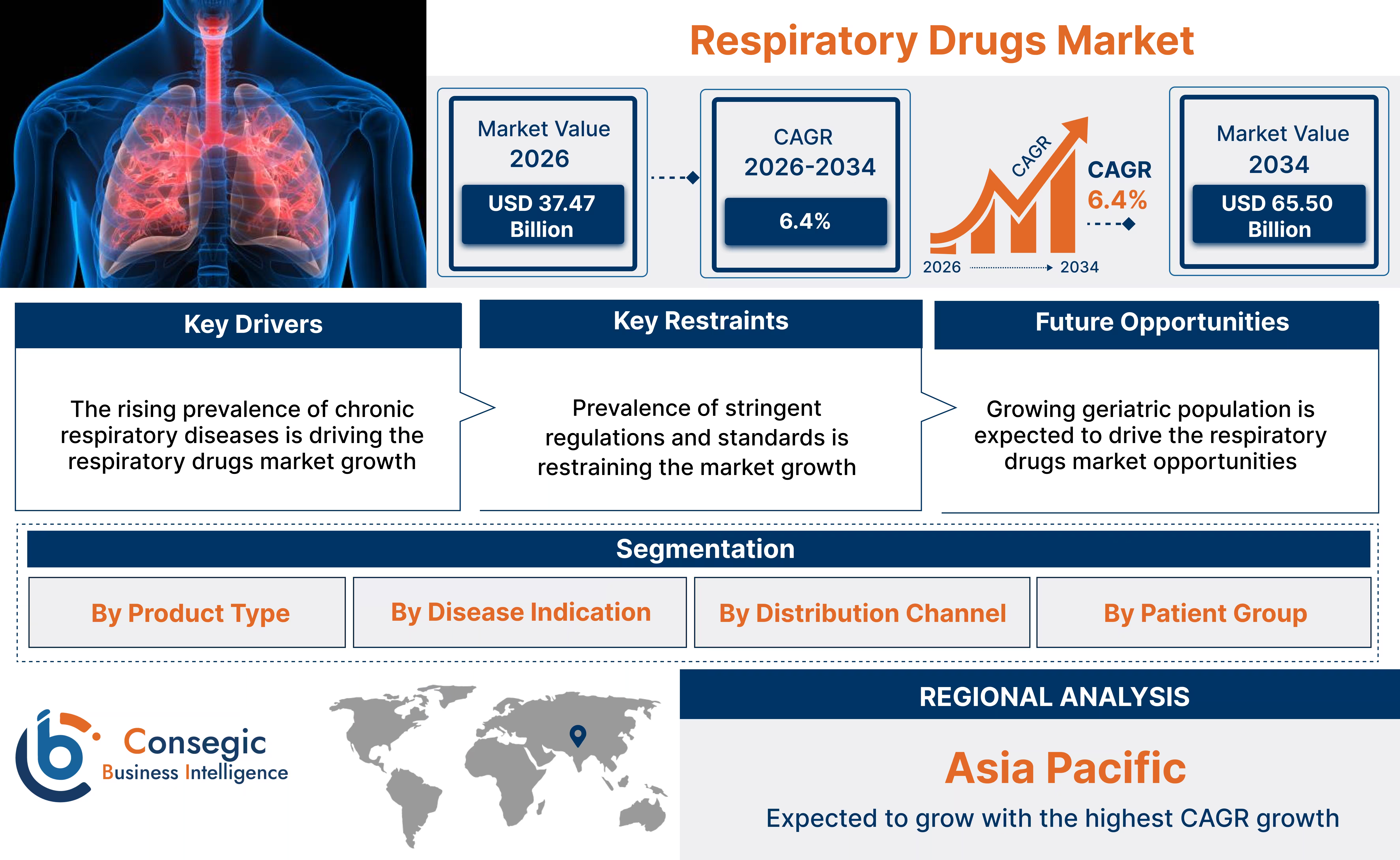
Respiratory Drugs Market size is estimated to reach over USD 65.50 Billion by 2034 from a value of USD 35.62 Billion in 2025 and is projected to grow by USD 37.47 Billion in 2026, growing at a CAGR of 6.4% from 2026 to 2034.
Respiratory Drugs Market Key Takeaways
Key Growth Drivers
- Rising prevalence of chronic respiratory diseases such as asthma, COPD, and pulmonary fibrosis is driving demand for respiratory drugs worldwide.
- Increasing exposure to air pollution, environmental degradation, and smoking-related health issues is accelerating the need for respiratory treatments.
- Growing incidence of respiratory disorders among aging populations is supporting long-term market growth and drug adoption.
Market Limitations & Challenges
- Stringent regulatory requirements and lengthy approval processes are increasing the cost and complexity of respiratory drug development.
- High development costs associated with advanced respiratory drugs and delivery systems are limiting market expansion.
Strategic Opportunities
- Rapid growth of the global geriatric population is creating strong demand for respiratory therapies and long-term disease management solutions.
- Increasing prevalence of age-related respiratory conditions such as COPD, pneumonia, and chronic asthma is expanding treatment opportunities.
Key Players
- Market Leader: GSK Plc held a significant share of the global Respiratory Drugs Market in 2025, driven by its extensive portfolio of respiratory therapies, strong presence in asthma and COPD treatment segments, and continued investment in innovative inhalation-based medicines and biologic therapies.
Respiratory Drugs Market Scope & Overview:
Respiratory drugs, also known as pulmonary drugs, are medications designed for relieving, treating, or preventing diseases and symptoms affecting the airways and lungs, such as asthma, chronic obstructive pulmonary disease (COPD), and bronchitis, among others. The drugs work primarily by widening air passages, decreasing inflammation, or clearing mucus, and are mostly delivered directly to the lungs through inhalers or nebulizers. Additionally, the market is driven by factors such as the rising prevalence of chronic conditions like asthma and COPD, worsening air pollution, smoking, and an aging demographic.
Respiratory Drugs Market Dynamics - (DRO) :
Market Drivers:
The rising prevalence of chronic respiratory diseases is driving the respiratory drugs market growth
The respiratory drugs market is experiencing significant growth, driven by the increasing prevalence of chronic respiratory diseases such as COPD (Chronic Obstructive Pulmonary Disease), asthma, pulmonary fibrosis, and others. Environmental degradation, worsening urban air pollution, and fluctuating weather patterns are responsible for directly damaging lung tissue and triggering severe respiratory flare-ups. Moreover, lifestyle shifts, particularly sustained tobacco smoking and the widespread popularity of vaping, are further accelerating the degradation of respiratory health across various age groups. Additionally, rapidly aging global populations are highly vulnerable to chronic lung infections and progressive airway diseases. The above factors are creating a constant need for respiratory drugs, further propelling the market.
- For instance, according to the World Health Organization, over 80 million individuals are affected by chronic respiratory diseases, including asthma, chronic obstructive pulmonary disease (COPD), and other lung conditions, while several more individuals are yet to be diagnosed.
Hence, the rising prevalence of chronic respiratory diseases, such as asthma, COPD, pulmonary fibrosis, and others, is driving the respiratory drugs market size.
Market Restraints:
Prevalence of stringent regulations and standards is restraining the market growth
Respiratory drug manufacturers have to comply with numerous stringent standards associated with manufacturing pulmonary drugs, which is a prime factor restricting the market growth. For instance, developing advanced respiratory therapies, particularly complex biologics and combination inhaler devices, mostly requires navigating complex approval pathways managed by global health authorities such as the US Food and Drug Administration (FDA) and the European Medicines Agency (EMA), among others. These regulatory authorities demand exhaustive, multi-phase clinical trials for definitively proving therapeutic safety, efficacy, and bioequivalence.
Since drug delivery systems such as metered-dose inhalers and dry powder inhalers must be capable of delivering precise micro-dosages directly into a patient's lungs, regulatory bodies subject both the chemical formulation and the mechanical hardware to intense dual scrutiny. This stringent evaluation considerably increases development costs, while elongating product development and approval timelines, and creating significant barriers to market entry. Thus, the above factors are hindering the market expansion.
Future Opportunities:
Growing geriatric population is expected to drive the respiratory drugs market opportunities
The growing geriatric population worldwide is expected to offer lucrative aspects for market growth, as elderly individuals are more prone to chronic, age-related respiratory conditions such as chronic obstructive pulmonary disease (COPD), pneumonia, and asthma, among others. As individuals age, natural physiological changes occur, including reduced lung elasticity and weakened breathing muscles, which in turn increases the requirement for regular medical interventions and long-term therapy. The rise in geriatric population, combined with higher vulnerability to respiratory infections and increasing prevalence of age-related respiratory conditions, is increasing the adoption of pulmonary drugs, thereby driving the market.
- For instance, according to the U.S. Census Bureau, the total number of Americans aged 65 and older is estimated to increase from 58 million in 2022 to 82 million by 2050. Likewise, the share of 65 and older age group in the U.S. is anticipated to increase from 17% to 23% of the total population.
Hence, according to the analysis, the growing geriatric population is projected to boost the market opportunities during the forecast period.
Respiratory Drugs Market Segmental Analysis :
By Product Type:
Based on product type, the market is segmented into combination drugs, bronchodilators, corticosteroids, antihistamines, and others.
Trends in the product type:
- Factors including the rising air pollution levels, increasing awareness of respiratory health and diseases, and earlier diagnoses of respiratory conditions are driving the market.
- The market is also driven by intensive research and development (R&D) investments, introduction of advanced smart inhalers, and expanding therapeutic pipelines for advanced targeted biologics for treating chronic respiratory conditions.
The combination drugs segment accounted for the largest revenue in the respiratory drugs market share in 2025, and it is anticipated to register a significant CAGR during the forecast period.
- Combination drugs are fixed-dose formulations which combine two or more active pharmaceutical ingredients, such as bronchodilators and corticosteroids, into a single administration device, like an inhaler.
- Moreover, combination drugs are highly favoured for treating chronic conditions like asthma and COPD as they are capable of targeting multiple inflammatory pathways and airflow blockages simultaneously.
- By decreasing the need for patients to use multiple different devices, combination drugs help in significantly improving treatment adherence, improving overall disease control, while offering complete symptom management.
- Also, factors including rising global prevalence of chronic respiratory diseases, high exposure to environmental pollutants and allergens, and increasing patient awareness, leading to earlier diagnoses, are driving the segment.
- According to the respiratory drugs market analysis, the above trends are further expanding the market size.
By Disease Indication:
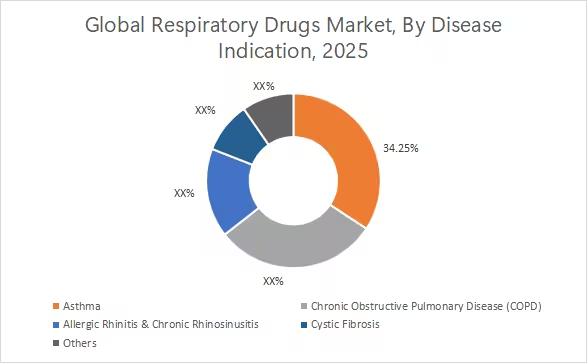
Based on the disease indication, the market is segmented into asthma, chronic obstructive pulmonary disease (COPD), allergic rhinitis & chronic rhinosinusitis, cystic fibrosis, and others.
Trends in the disease indication:
- Factors including rising air pollution, growing diagnosis rates for asthma, along with increasing adoption of inhalers and nebulizers, are key prospects driving the asthma segment.
- Factors including increasing global prevalence of chronic obstructive pulmonary diseases, an aging geriatric population, and prolonged exposure to environmental pollutants and tobacco smoke, are key trends boosting the COPD segment.
The asthma segment accounted for the largest revenue share of 34.25% in the market in 2025.
- Asthma is a chronic lung condition in which the airways become inflamed, narrow, and produce excess mucus.
- Asthma is one of the most prevalent respiratory conditions, mostly caused by a combination of genetic susceptibility and environmental triggers, such as allergens, respiratory infections, and air pollution, among others.
- Moreover, pulmonary drugs such as bronchodilators and anti-inflammatories are mostly used for managing asthma. They are used to relax tightened airway muscles and decrease chronic swelling, which rapidly helps in opening the airways for resolving acute symptoms and suppressing the underlying immune response to prevent future attacks.
- Further, factors including escalating air pollution, growing aging population, rising diagnosis rates for asthma, along with increasing adoption of inhalers and nebulizers are key prospects driving the growth of the segment.
- According to the analysis, the aforementioned factors arefurther propelling the market.
The chronic obstructive pulmonary disease (COPD) segment is anticipated to register a significant CAGR during the forecast period.
- Chronic obstructive pulmonary disease (COPD) is a progressive, long-term lung condition characterized by inflammation and damage to the airways and air sacs, which severely restricts airflow and makes breathing difficult.
- It is primarily caused by long-term exposure to inhaled irritants like cigarette smoke, chemical fumes, or indoor air pollution.
- For instance, according to the World Health Organization, COPD is the third leading cause of death globally, causing approximately 3.4 million deaths in 2023, which was equivalent to 6% of all worldwide deaths.
- COPD mainly relies on bronchodilators, inhaled corticosteroids, and combination therapies for managing chronic airflow limitation and controlling symptoms.
- Also, factors including increasing global prevalence of chronic obstructive pulmonary diseases, an aging geriatric population, and prolonged exposure to environmental pollutants and tobacco smoke, are primary factors driving the segment development.
- Hence, the above factors are expected to boost the market during the forecast period.
By Distribution Channel:
Based on the distribution channel, the market is segmented into retail pharmacies, hospital pharmacies, and online pharmacies.
Trends in the distribution channel:
- The retail pharmacies segment is mainly driven by the broad geographic availability, high volume of recurring monthly prescription refills, and established patient-access programs, among others.
- Factors such as competitive pricing, increased convenience of online purchase, wider product selection, along with reliable shipping & return policies are among the key prospects driving the online pharmacies segment.
The retail pharmacies segment accounted for the largest revenue in the market in 2025.
- A retail pharmacy offers prescription medications and sells over-the-counter (OTC) drugs and other health-related products directly to the public.
- Moreover, both prescription and OTC respiratory medications like inhalers and nebulizers are readily available for distribution at retail pharmacies.
- Also, the segment development is mostly driven by broad geographic availability, high volume of recurring monthly prescription refills, and established patient-access programs, among others.
- For instance, Apollo Pharmacy is a retail pharmacy chain in India that offers a wide range of respiratory medicines for distribution through its various pharmacy outlets spread across the country.
- According to the analysis, the increasing availability of respiratory drugs in retail pharmacies is further propelling the market.
The online pharmacies segment is anticipated to register the fastest CAGR during the forecast period.
- An online pharmacy typically operates through the internet, allowing customers to purchase medications online and have them delivered. Online pharmacies typically offer both prescription and over-the-counter respiratory drugs.
- Moreover, online pharmacies offer various benefits, including increased convenience, cost savings, wider product selection, and faster access to medications and other health-related products, which are key determinants for driving the distribution of pulmonary drugs from online pharmacies.
- Also, online pharmacies are increasingly preferred by chronic respiratory patients for their convenient home-delivery models, automated refill services, telemedicine integration, and improved price transparency.
- Consequently, the above factors and rising availability of respiratory medicines in online pharmacies are expected to boost the market during the forecast period.
By Patient Group:
Based on patient group, the market is segmented into adult, geriatric, and neonatal & pediatric.
Trends in the patient group:
- The market is driven by an increasing aging population, rise in tobacco smoking rates, and presence of chronic respiratory diseases, which are increasing the demand for continuous respiratory support and medicines.
- The rise in elderly population, combined with higher vulnerability to respiratory infections and increasing prevalence of age-related respiratory conditions, is driving the adoption of pulmonary drugs among the geriatric age group.
The adult segment accounted for the largest revenue share in the market in 2025.
- Pulmonary drugs play an essential role in the adult patient group for managing chronic conditions such as COPD, asthma, and others.
- The market is also driven by an increasing air pollution, rise in tobacco smoking rates, and incidence of chronic respiratory diseases, which are increasing the need for continuous respiratory support and medicines.
- Moreover, factors including growing incidence of chronic conditions such as asthma and chronic obstructive pulmonary disease (COPD), which are aggravated by prolonged exposure to air pollution, tobacco smoking, and occupational hazards are further driving the market development.
- Since chronic respiratory diseases require continuous management, adults are the primary consumers of high-value maintenance medications such as inhaled corticosteroids, long-acting bronchodilators, and other medicines.
- According to the analysis, the aforementioned factors are increasing the adoption of pulmonary drugs among the adult patient group, thereby driving the respiratory drugs market trends.
The geriatric segment is anticipated to register a substantial CAGR during the forecast period.
- The growing geriatric population is expected to drive the market, as elderly patients are more prone to chronic, age-related respiratory conditions such as chronic obstructive pulmonary disease (COPD), pneumonia, and asthma, among others.
- Also, the rise in geriatric population, combined with higher vulnerability to respiratory infections and increasing prevalence of age-related respiratory conditions, is driving the adoption of pulmonary drugs among geriatric age group.
- In addition, geriatric age group usually require advanced inhalation therapies, bronchodilators, and corticosteroids to balance age-related declines in lung function and immunity, which is further driving the market.
- Hence, the above factors are expected to boost the market during the forecast period.
Respiratory Drugs Market Regional Analysis:
The regions covered are North America, Europe, Asia Pacific, Middle East and Africa, and Latin America.
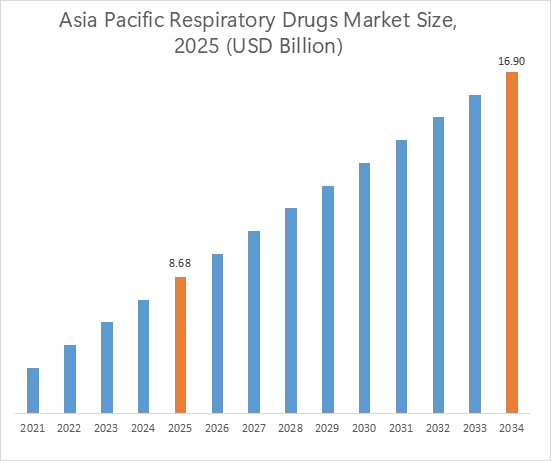
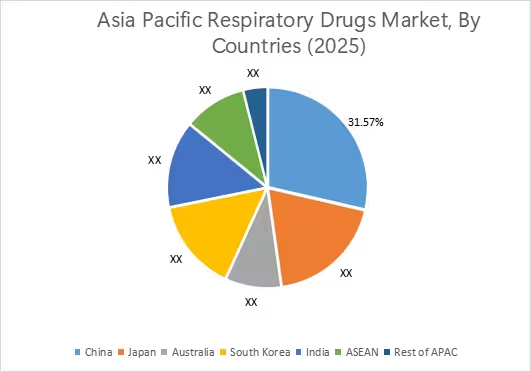
Asia Pacific region was valued at USD 8.68 Billion in 2025. Moreover, it is projected to grow by USD 9.19 Billion in 2026 and reach over USD 16.90 Billion by 2034. Out of this, China accounted for the maximum revenue share of 31.57%. As per the market analysis, the adoption of pulmonary drugs in the Asia-Pacific region is primarily driven by factors including the rising prevalence of chronic respiratory diseases, along with increasing investments in healthcare services, among others. Similarly, the prevalence of severe air pollution, rising smoking rates, and rapidly aging demographic are further accelerating the respiratory drugs market expansion.
- For instance, India holds more than 43% of Asia’s chronic respiratory disease burden. The most common conditions, COPD (Chronic Obstructive Pulmonary Disease) and asthma, account for the majority of cases, which are mostly driven by severe air pollution and tobacco use. The above factors are increasing the demand for pulmonary drugs, in turn driving the market in the Asia-Pacific region.
North America is estimated to reach over USD 25.09 Billion by 2034 from a value of USD 13.75 Billion in 2025 and is projected to grow by USD 14.46 Billion in 2026. In North America, the growth of the respiratory drugs industry is mostly driven by the prevalence of chronic respiratory diseases, caused by factors such as rising air pollution and long-term exposure to inhaled irritants, among others. Additionally, significant investments in research and development (R&D) for treating chronic respiratory diseases, along with presence of well-established specialty pharmacy distribution networks, are further contributing to the respiratory drugs market demand.
- For instance, according to the Centers for Disease Control and Prevention, the age-adjusted prevalence of diagnosed COPD among adults was 3.8% in 2023, with a higher rate observed in women (4.1%) in comparison to men (3.4%). Also, the prevalence significantly increased with age, rising from 0.4% in the 18–24 demographic to 10.5% among adults aged 75 and older. The above factors are expected to propel the market trends in North America during the forecast period.
Meanwhile, according to the regional analysis, factors including the prevalence of elderly population with chronic respiratory conditions like asthma and COPD, growing healthcare industry, and significant pharmaceutical innovations in combination and biologic therapies, are driving the market demand in Europe. Furthermore, according to the market analysis, the market in Latin America, Middle East, and African regions is expected to grow at a considerable rate due to factors such as increasing environmental pollution, growing tobacco consumption, and rising incidence of chronic respiratory diseases, among others.
Top Key Players & Market Share Insights:
The global respiratory drugs market is highly competitive with major players providing solutions to the national and international markets. Key players are adopting several strategies in research and development (R&D), product innovation, and end-user launches to hold a strong position in the respiratory drugs market. Key players in the respiratory drugs industry include-
- GSK Plc(United Kingdom)
- AstraZeneca Plc(United Kingdom)
- Boehringer Ingelheim (Germany)
- Sanofi S.A. (France)
- Vertex Pharmaceuticals (United States)
- Novartis AG (Switzerland)
- Hoffmann-La Roche Ltd (Switzerland)
- Teva Pharmaceutical Industries (Israel)
- Cipla Limited (India)
- Pfizer Inc. (United States)
- Merck & Co., Inc. (United States)
- Viatris Inc. (United States)
Recent Industry Developments:
Product Launches:
- In April 2026, Amneal Pharmaceuticals launched its first two U.S.-based metered-dose inhalers (MDIs), specifically generic albuterol sulfate and beclomethasone dipropionate HFA aerosols, following 2025 FDA approvals. These product launches signify the company's entry into the respiratory medication market.
- In April 2026, the U.S. FDA approved AstraZeneca’s Breztri Aerosphere for long-term treatment of asthma in patients aged 12 and older. This single inhaler therapy is capable of combining long-acting beta2-agonist, an inhaled corticosteroid, along with long-acting muscarinic antagonist.
Partnerships & Collaborations:
- In July 2025, Chiesi Group partnered with Serna Bio for creating new small-molecule treatments for respiratory conditions. The collaboration utilizes Serna's specialized RNA-targeting drug discovery platform.
Respiratory Drugs Market Report Insights :
| Report Attributes | Report Details |
| Study Timeline | 2021-2034 |
| Market Size in 2034 | USD 65.50 Billion |
| CAGR (2026-2034) | 6.4% |
| By Product Type |
|
| By Disease Indication |
|
| By Distribution Channel |
|
| By Patient Group |
|
| By Region |
|
| Key Players |
|
| Report Coverage |
|
Key Questions Answered in the Report
How big is the respiratory drugs market? −
The respiratory drugs market was valued at USD 35.62 Billion in 2025 and is projected to grow to USD 65.50 Billion by 2034.
Which is the fastest-growing region in the market? +
Asia-Pacific is the region experiencing the most rapid growth in the market.
What specific segmentation details are covered in the respiratory drugs report? +
The respiratory drugs report includes specific segmentation details for product type, disease indication, distribution channel, patient group, and region.
Who are the major players in the respiratory drugs market? +
The key participants in the market are GSK Plc (United Kingdom), AstraZeneca Plc (United Kingdom), Boehringer Ingelheim (Germany), Sanofi S.A. (France), Vertex Pharmaceuticals (United States), Novartis AG (Switzerland), F. Hoffmann-La Roche Ltd (Switzerland), Teva Pharmaceutical Industries (Israel), Cipla Limited (India), Pfizer Inc. (United States), Merck & Co., Inc. (United States), Viatris Inc. (United States), and others.
Overview
Reputation & Certifications


Our Services
- Market Intelligence & Forecasting
- Custom Research Solutions
- Market Entry Strategy
- Competitive Intelligence
- Customer Insights
- Industry Innovation Analysis
- Investment Advisory