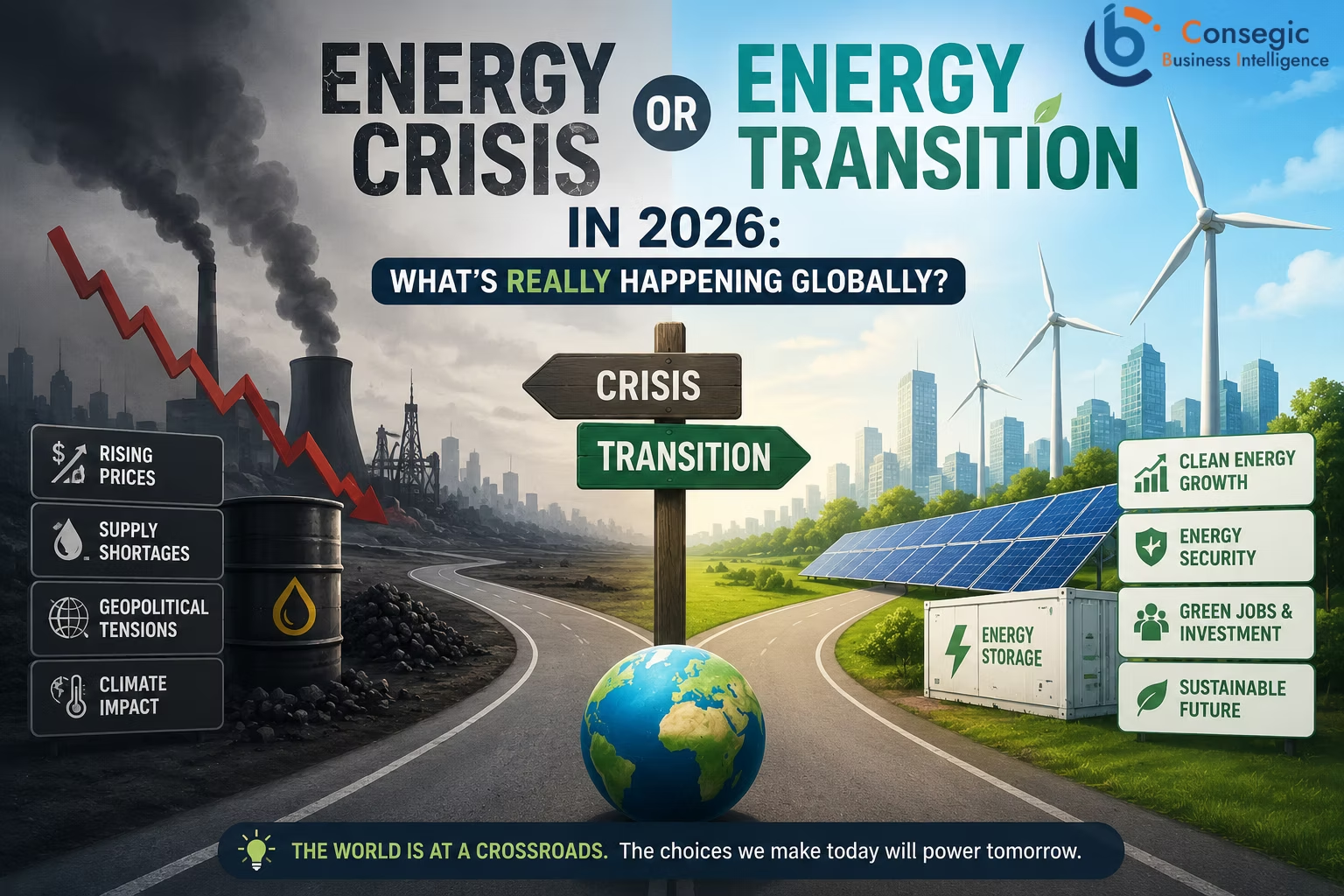
For lots of people around the world, 2026 appears to be a contradictory year in the energy space. News of surging electricity demand, the need to secure our energy supply and geopolitical frictions suggests we’re hurtling into the next energy crisis. However, surging investment in renewable energy, electric vehicles, battery storage, grid updates, and carbon capture tells us we’re in the middle of the accelerated energy transition.
So which story is true?
The reality is that both are happening simultaneously. The world is navigating one of the most complex periods in modern energy history, where short-term energy security challenges are unfolding alongside a long-term transformation of the global energy system. Understanding this balance is essential to understanding the future of energy.
The Global Energy Landscape Is Changing Faster Than Ever
Energy transition describes moving away from the use of fossil fuels and replacing them with alternative clean sources that can be renewable – they have a virtually inexhaustible supply and don’t run out - like solar, wind, hydropower, nuclear and non-renewable clean energy sources like hydrogen, for example. The drivers for this change are concerns about climate and global warming, technological innovation in the cleaner sources and increasing desire of the consumers to move away from dirty energy sources.
The rise in global demand for energy that is taking place right now is another thing that complicates the picture. With ongoing industrialization and urbanization and accelerating the processes of electrification and building the infrastructures for AI in multiple regions across the globe the electricity demand is increasing. With all of these countries are in the complex situation of providing enough energy in order to cover the needs of their economies now, while simultaneously trying to move to cleaner sources for the future.
This complex is the reason why nowadays we often discuss energy crisis and energy transition on same agenda.
Renewable Energy Is Reaching Historic Milestones
One of the clearest indicators that the energy transition is accelerating is the growth of renewable energy. Solar and wind power continue to expand globally, supported by falling technology costs, government incentives and private-sector investments.
Recent energy outlooks show renewable energy surpassed coal as the world's top source of electricity generation and demand for renewable and nuclear energy will continue to break new records this decade. An increase in clean energy is now responsible for all of the increase in global electricity demand.
Renewable energy is becoming the least costly way to build new electric generation in many nations, and will be the dominant source of new investments for power generation going forward.
Why Fossil Fuels Are Still Part of the Picture
Although the growth in renewable energy has been substantial, the world remains heavily reliant on conventional sources of energy supply. In particular, oil, coal, and gas remain crucial sources of energy for many sectors of the global economy that cannot be easily electrified. With events such as the geopolitical upheaval and concerns about security of supply in recent times, traditional sources of energy security are again coming back into focus. There is evidence that some economies have resorted to temporarily greater usage of fossil fuels to guarantee the security of supply and continue to generate and deliver electricity reliably through times of peak demand – indeed we have seen some return to coal power, driven by high levels of electricity demand and uncertainty over variable renewable supply, during 2026 – although this doesn’t mean the energy transition is in decline, just that it is happening on more of an evolutionary, than instantaneous basis.
The AI Boom Is Creating New Energy Challenges
One of the biggest developments influencing the energy sector in 2026 is the rapid expansion of artificial intelligence. Data centers supporting AI applications require enormous amounts of electricity, creating new pressure on energy infrastructure.
As electricity demand expands, technology firms are spending big to develop more clean energy power generation projects, storage capacity and new transmission. Yet some areas have to continue to rely on their existing fossil fueled power generation infrastructure to guarantee power supply and a sufficient transition pace to meet those demands in energy consumption growth, a typical quandary with today’s clean energy transition.
Energy Security Has Become a Strategic Priority
The need for energy security was underscored in recent geopolitical developments. Many governments are now prioritising guaranteed energy supply, while diminishing reliance on unpredictable energy prices. As countries explore and transition towards an energy system with secure supply, they are simultaneously looking to create a sustainable energy system.
Governments are investing in an increasing variety of energy supply including renewables, nuclear energy, energy storage, and growing domestic supply.
This approach reduces the reliance on global supply markets and strengthens long term supply security, in addition to meeting sustainability goals. The energy and sustainability are now seen as one and the same. Investment in clean energy offers both security of supply and sustainability goals.
Electrification Is Accelerating Across Industries
Electrification is becoming one of the most important trends within the global energy transition. Transportation, heating, manufacturing, and industrial operations are increasingly shifting from fossil fuels to electricity.
Sales of electric vehicles keep rising and industries everywhere have begun to explore electrifying processes powered by coal, oil or natural gas. Wider Electrification “could have a dramatic payoff in terms of both efficiency and in reduction of emissions in the coming years,” experts say.
As electricity becomes a larger part of the global energy mix, demand for renewable generation and grid infrastructure is expected to increase substantially.
Grid Modernization Is Becoming Essential
Building renewable energy capacity alone is not enough. Many regions are discovering that grid infrastructure has become a major bottleneck.
Future electricity systems need to cope with variable renewable generation, increasing electrification, distributed energy resources, and rising electricity demand. Power transmission systems, battery storage systems and smart grid technologies need to be urgently upgraded to cope with these demands.
Rapid renewable power deployment alone will not meet future energy demand if upgrades to the grid do not materialise.
Renewable vs Fossil Fuels: Is There a Clear Winner?
The ongoing discourse of renewable versus fossil fuels tends to frame the issue in binary terms. In fact, the energy system is undergoing a slow, evolutionary shift whereby the two share space. Renewable growth is set to dominate over time; renewables like solar, wind, battery storage and the electrification of everything are continuing to receive significant funding and maintain high growth trends, and most future scenarios indicate a slowing of fossil fuel demand growth over time as alternatives improve in availability. It is extremely unlikely that fossil fuels are disappearing anytime soon; rather, the place they hold is likely to transform over time as clean sources proliferate.
What the Future Holds
The future of the global energy sector will likely be defined by coexistence rather than sudden replacement. Renewable energy, nuclear power, battery storage, hydrogen and advanced grid technologies will continue expanding, while fossil fuels remain part of the energy mix during the transition period.
The speed of this transformation will depend on technology innovation, investment levels, policy decisions, infrastructure development, and geopolitical conditions. Countries that successfully balance energy security, affordability and sustainability will be best positioned for long-term success.
Conclusion
So, is the world undergoing an energy crisis or energy transition in 2026? It's both. Near-term pressures from fluctuating fuel prices, growing demand and geopolitics are squeezing global energy systems, while the pace of renewables adoption, electrification and clean technology investments accelerate at a rate never before seen.
Instead of representing a failure, today's energy disruptions are actually a window into the difficult task of remaking a global system that, for over a hundred years, has been overwhelmingly dependent on fossil fuels. It is obvious that we are in the middle of the energy transition-not at the end of it. So, today's actions-and non-actions-will affect whether we accelerate our progress toward a cleaner, healthier and more resilient and affordable global energy system.