The Growing Global Food Security Crisis in 2026
Food security is one of the major global issues that has been seen in the year 2026. Food security is simply when all people have reliable access to sufficient amounts of nutritious food at all times. But the challenges of climate change, geopolitical conflicts, economic chaos and disrupted supply chains have placed immense pressures on food security systems around the globe. With the rise in the global population and increasing food demands, the production of food has become a serious challenge. Many nations still rely greatly on their imported food from other nations, which makes them more vulnerable in case of any problems in their supply chains or economic issues. According to many global organizations, there are many hundreds of millions of individuals that suffer from food insecurity, especially in developing nations. Moreover, increased food prices and shortages of basic food items like wheat, rice, and maize are other major contributing factors that create food security problems.
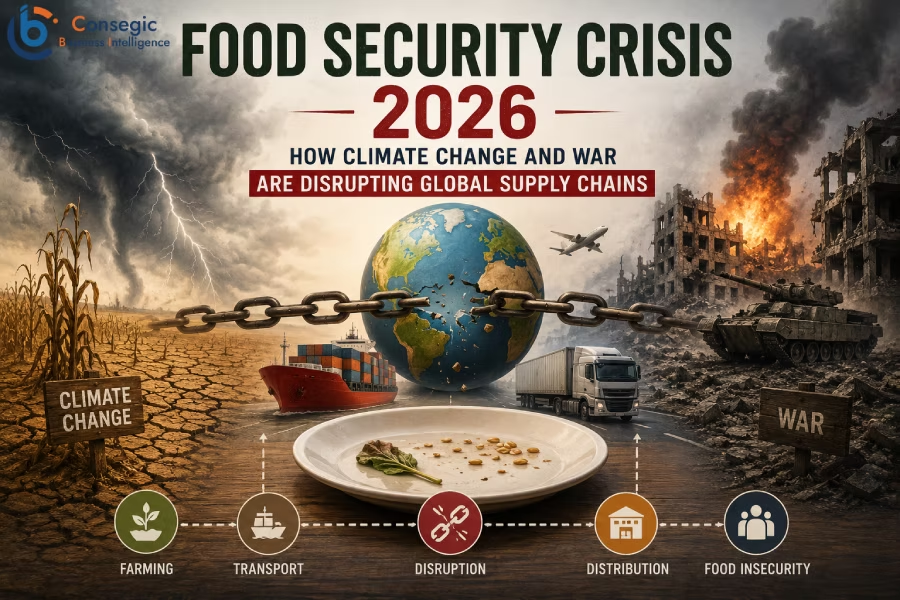
Climate Change and Extreme Weather Events Threatening Agricultural Productions
Climate change is one of the biggest threats to agricultural production and food security worldwide by 2026. Increasing global temperatures have resulted in an increasing number of extreme weather occurrences, such as droughts, floods, heat waves, storms, and forest fires. The impact of these events on the activities of farmers has resulted in lower yields of their crops. Drought periods have caused water shortages and prevented farmers from irrigating the fields, thus negatively affecting growing important crops like wheat, rice, corn, and soybeans. On the other hand, flooding has resulted in farmland destruction, loss of crops and difficulties during planting and harvesting. Besides, higher temperatures have affected the degradation and desertification of soil, which reduced the area of land that could be used for agricultural purposes. In addition, changes in climate have influenced the spread of plant pests and crop diseases, causing even greater harm to farmers. Agricultural problems because of climate change can be seen not only in Africa but also in Asia, Europe, and North America.
How Ongoing Conflicts and Geopolitical Tensions Are Disrupting Food Supply Chains
The issue of wars and geopolitical tensions is still affecting global food supply chains in 2026. The wars and political instability in various parts of the world that play a crucial role in agriculture and trading have impacted the production, distribution, and delivery of food products all around the globe. Agricultural operations in war zones tend to decrease as the farms get destroyed, there is less labor available, and farmers feel insecure in their locations. Moreover, issues with transportations through seaports, shipping lanes, railway lines, and logistics have slowed down the flow of food products across borders in the global market. Additionally, trade sanctions imposed on some nations have made the process of global food trade more complex, making it difficult for farmers to have access to some important agricultural goods and raw materials. Fertilizer shortage, which is caused by geopolitical tensions, has increased the cost of production and decreased the yield in many areas. Also, high energy prices have led to increasing transportation and storage costs in supply chains.
Rising Food Prices, Trade Restrictions, and Their Impact on Global Consumers
Among the most apparent manifestations of the food security challenge in 2026, one can point out the dramatic increase in the prices of various food items around the world. Supply disruptions associated with natural catastrophes, political tensions, and transportation problems resulted in shortages of various staples in many places of the world. As a result, the prices for such food products as wheat, rice, vegetable oil, and corn have increased considerably. Many countries have introduced food export restrictions and other forms of protective measures aimed at preserving local food supply. Although these measures might be beneficial to local markets to some extent, they usually add to price hikes and shortages in importing countries. People belonging to poor households are especially affected due to their high food expenses. The growing prices might also bring about nutritional insecurity, as people will need to substitute expensive foodstuffs with cheaper but less-nutritious alternatives. In developing countries, food inflation can cause social disturbances, political tensions, and economic problems. International organizations keep tracking food markets and supporting vulnerable communities, tackling the problem of food inflation.
Strategies for Strengthening Food Security and Building Resilient Supply Chains
In order to overcome the problems associated with food insecurity, the issue should be approached using a variety of measures that focus on the development of robust and sustainable food systems. Governments, businesses, and international organizations have become increasingly active in their investment in climate-smart agriculture and efficient water use, soil protection and sustainable agriculture. Technologies such as precision agriculture, artificial intelligence, satellite monitoring and data analysis can help farmers produce more food and adapt to the impacts of climate change efficiently. At the same time, researchers are actively working on the development of crops that would provide high yield and be drought resistant. Moreover, diversification of food supplies, as well as strengthening partnerships in the regions, helps to reduce dependence on the limited number of suppliers and create resilience. Investment into storage facilities, transportation, and logistics allows reducing food losses and making food delivery more efficient. An additional way to improve food availability includes reduction of food losses during its passage through the chain.
Conclusion
The global food security crisis of 2026 reminds us how deeply intertwined climate change, geopolitical conflicts and supply chains have become. Extreme weather events are constraining agricultural productivity, while wars and disruptions to trade are hampering the movement of essential food commodities in international markets. These challenges have led to increased food prices, increased hunger and increased economic pressure on the world’s vulnerable populations. With demand for food set to rise, governments, businesses and international organisations need to combine forces to make agriculture more resilient and supply chains more efficient. In addition, investments will go into climate-smart agriculture, technological innovation, sustainable trade policies and infrastructure development. Creating resilient and diversified food systems is not only essential to address current challenges, but also to guarantee global food security and stability in the long term.