Why Is Europe Experiencing an Unprecedented Heatwave Emergency?
Europe is experiencing one of its most intense recent heatwave emergencies, with temperatures surpassing 40°C in several countries and record-breaking temperatures. Meteorologists blame the event on a combination of a powerful high-pressure system, often called a “Omega Block,” and the long-term effects of climate change. This pattern of weather can trap hot air over the continent for long periods, preventing the arrival of cooling systems. Latest reports say that UK has seen its hottest day of June with widespread red heat alerts issued in France, Spain and Italy. Moreover, scientists say climate change is making heatwaves in Europe more frequent, more intense and longer. Europe is warming up faster than the world average.
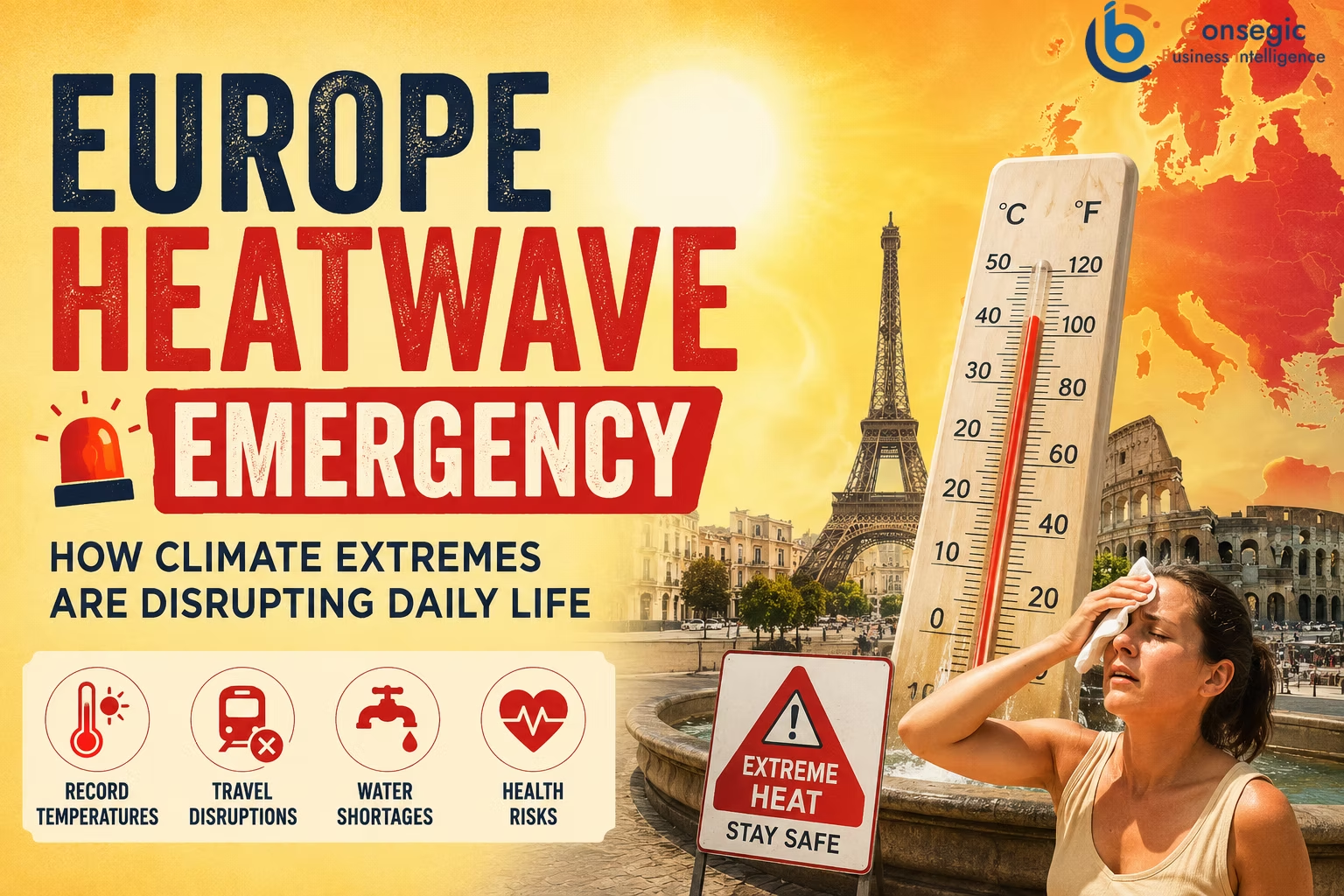
The continent has experienced devastating heatwaves in 2003, 2019 and 2022 – but the current heat is proving to be just as alarming. The situation shows how rising greenhouse gas emissions are transforming extreme weather events from rare occurrences into recurring climate problems. Furthermore, governments and international organisations are increasingly warning that such heat emergencies could be a regular feature of European summers.
Record-Breaking Temperatures Across Major European Countries
The current heatwave in Europe is resulting in unprecedented hot weather, putting millions of Europeans under extreme weather alerts. Several European countries have been badly affected by the ongoing heat wave, with southern Europe bearing the brunt of the excessive heat. Several southern European countries like Spain, Italy, Greece, and Portugal are currently experiencing temperatures above 40°C. In addition, France too has been recording unprecedented temperatures, prompting the authorities to take immediate steps to counter the adverse impacts of the heat.
The cities have been witnessing a rare event for the past few decades. The heat alert has been declared in several major European cities, while the municipalities have been operating cooling centers in order to advise the residents to avoid staying outdoors during the afternoon when the heat peaks. In addition, the risk of wildfires in Mediterranean countries has gone up, as they are seeing unprecedented temperatures combined with strong winds.
Furthermore, the tourism sector has been badly hit in this heat wave, as the tourists have been forced to reduce their outdoor activities and visit only the cultural sites when the heat subsides.
Impact on Public Health, Infrastructure, and Essential Services
Apart from causing inconvenience, extremely hot weather can pose considerable threats to human life and well-being, public utilities, and critical services. Numerous hospitals across Europe have reported higher incidences of heat exhaustion, dehydration, and heat stroke, especially among the vulnerable groups like elderly people, children, and patients suffering from chronic illnesses.
Moreover, the effects of high temperatures put pressure on energy supplies. As a result of increased electricity consumption due to usage of air conditioners and coolers, the probability of blackouts increases. Moreover, drought conditions, resulting in low water reserves in reservoirs, rivers, and farms, are experienced by several regions at the moment.
Additionally, transportation infrastructure also suffers from extreme weather conditions. It results in the expansion of railway lines, damage to roads, and more complicated work at airports. Such conditions may cause delays, incur costs associated with repair works, and reduce efficiency. Furthermore, economic impacts include loss of productivity, costs of health care and rehabilitation and costs of repair works.
How Extreme Heat Is Disrupting Work, Travel, and Daily Life
A relentless wave of heat across Europe is taking a toll on everyday life, throwing work hours, travel plans and daily routines into disarray for millions of people. As temperatures hit dangerous levels, governments and employers are being forced to adapt to protect public health and worker safety.
The outdoor sectors such as construction, farming, and logistics are some of those that have been adversely affected. Some countries in Europe have even restricted workers from undertaking outdoor activities at the times when temperatures are highest in an effort to reduce chances of contracting heat illness. Organizations are also changing working schedules and even offering teleworking opportunities.
Additionally, transportation networks and infrastructure are also being stressed by the high temperatures. Railway operators have slowed down trains to avoid damage to the tracks and there are more delays and disruptions to flights. Tourists visiting popular destinations in Southern Europe are being urged to avoid sightseeing outdoors during the hottest hours of the afternoon and to drink plenty of fluids.
As a result of the heat wave, people are experiencing higher use of electricity, as the air-conditioners and other cooling devices run round the clock. Electricity costs have risen, and the fear of electricity shortages is widespread. Most people are avoiding outdoor activities as they prefer to stay in cooler places. The impact of the heat wave on people's daily life in Europe is evident in the changing schedule of their activities.
Climate Change, Future Risks, and Europe’s Response Strategies
The current heatwave is a stark reminder of the mounting toll of climate change on Europe’s environment, economy and society. Scientists agree that human-caused global warming is causing extreme heat events to occur more often, become more intense, and last longer. Europe is the fastest warming continent in the world, with average temperatures rising at almost twice the global rate today. “This means heatwaves that were once rare are now becoming more common and more intense.
In the long run, higher temperatures mean more than just short-term discomfort. With increased occurrence of heatwaves, Europeans might experience longer periods of droughts, agricultural productivity decrease, wildfires, water scarcity, and added burdens to the healthcare sector. The economic consequences are also significant – sectors such as agriculture, tourism, transportation, and energy could suffer due to the heat and would result in financial losses and deteriorated living conditions for millions of people.
Moreover, governments all over Europe have already taken steps to adapt their countries to the new climate realities. Various adaptation measures include the development of heat action plans, implementation of early warning systems, building of cooling facilities for public use, greening programs in cities, and investment into resilient infrastructure. At the same time, policy-makers all across Europe remain focused on cutting down greenhouse gas emissions and developing renewables as an alternative source of energy.
With the current heatwave becoming a stark reminder of the problem, it becomes clear that combating climate change is not only an environmental issue but also a societal one. Building resilience and sustainable development will become crucial for preventing Europeans from climate extremes that can happen again and again.
Conclusion
The current heatwave crisis faced by Europe demonstrates that the trend of climate extremes is increasingly becoming an undeniable reality and its profound effects on people’s lives. From record-setting heat, health hazards, disruption of travel, work, electricity and tourism industries, to other effects of extreme weather events, it is becoming increasingly hard to disregard the influence of climate change on people’s daily activities. As scientists keep reminding us that climate change is causing increasingly severe weather conditions more often than not, it is crucial to acknowledge the long-term challenge posed to economy and life of Europeans. While adaptation efforts to climate change are underway, the root causes of global warming should be tackled.